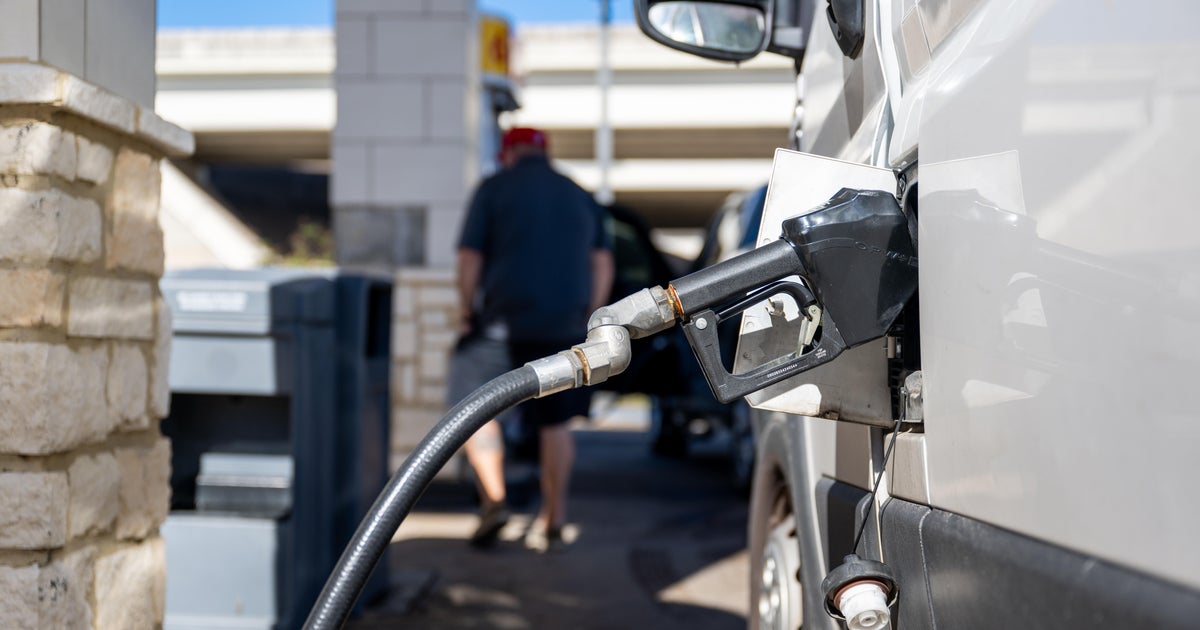
GasBuddy forecasts U.S. pump prices will average $2.97 per gallon this year (down $0.13 from 2025), the lowest since 2020, driven by strong refinery output, lower oil prices, robust crude production and softer seasonal demand. Prices are expected to peak near $3.20 in spring/early summer then fall to about $2.83 after June, with regional variation (Gulf Coast/South under $3; California, Northeast and Chicago higher); diesel is forecast at $3.55 (versus $3.62 in 2025) and household fuel spending is projected at $2,083 in 2026. Risks cited include seasonal demand swings, weather and geopolitical events that could create volatility.
Market structure: GasBuddy’s $2.97 national average and seasonal swing to ~$3.20 then ~$2.83 implies weaker oil/energy pricing power and a redistribution of consumer surplus to discretionary spending. Direct beneficiaries: airlines (AAL, DAL, UAL), ground transport/logistics (UPS, FDX), retailers (WMT, TGT) and consumer cyclical names that are fuel-sensitive; losers include upstream E&Ps and oilfield services (XOM/CVX vs SLB/HAL) and some regional refiners with narrow crack spreads. Expect downward pressure on WTI and USO-like exposures; lower headline CPI risk reduces near-term bond yields and supports long-duration equities if sustained over 1–3 quarters.
Risk assessment: Tail risks include rapid OPEC+ cuts, a major Middle East disruption, or hurricane-driven refinery outages that could spike gasoline >$4/gal within weeks — treat as low-probability, high-impact. Time horizons: days — local volatility from weather/geopolitics; weeks–months — spring travel bump to ~$3.20; quarters — if US production stays robust, sub-$3.00 annual prints are plausible. Hidden dependencies: diesel spreads matter for trucking margins; state-level taxes create dispersion (CA/Northeast outsized prices) and can produce idiosyncratic equity performance.
Trade implications: Favor tactical longs in transportation/airline exposure (JETS, AAL) and consumer retail (WMT) for 3–6 month horizons; hedge macro with small-duration Treasury longs if CPI prints below expectations. Use options to define risk: buy 3–6 month call spreads on JETS/AAL and purchase 3–6 month put spreads on XLE or USO. Rotate out of energy capex/OPS names and reduce exposure to SLB/HAL; consider long TLT if CPI falls >0.2% MoM over two consecutive prints.
Contrarian angles: The market may be underrating refiners with advantaged logistics (MPC, PSX) — durable throughput can sustain margins even with lower pump prices, so blanket shorting refiners is risky. EV/auto supply-chain names could see demand elasticity shifts if sustained cheap fuel slows adoption; historically (post-2014 oil drop) oil-services undercut but select E&P survivors outperformed — avoid binary trades, prefer pair trades and defined-risk options. Monitor WTI > $85/bbl or national pump price >$3.25 as invalidation points for bullish consumer/transport trades.
AI-powered research, real-time alerts, and portfolio analytics for institutional investors.
Request DemoOverall Sentiment
mildly positive
Sentiment Score
0.30
