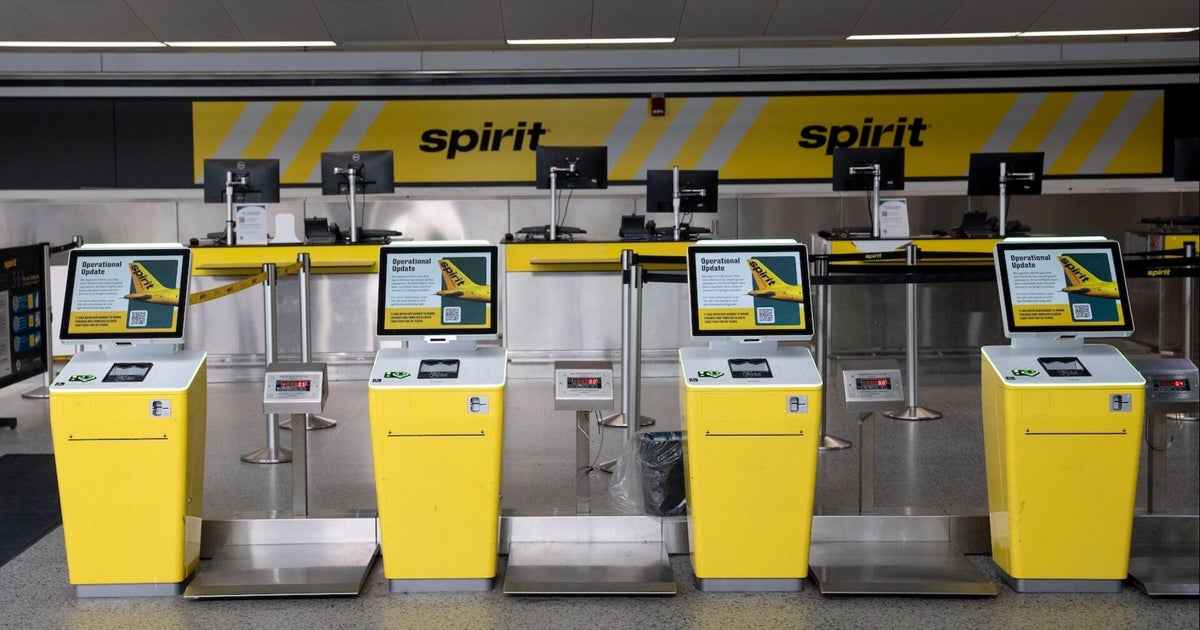
Spirit Airlines abruptly shut down operations over the weekend, stranding passengers and leaving long-time employees jobless at Fort Lauderdale-Hollywood International Airport. Travelers reported canceled return flights, missing luggage, and hundreds of dollars in rebooking costs, while court documents said the airline halted operations at 3 a.m. Saturday due to safety concerns. Major carriers are offering discounted rescue fares, and JetBlue is adding 11 destinations and 27 daily departures at Fort Lauderdale as it and Southwest match Spirit loyalty status.
This is less a one-off airline failure than a rapid redistribution event across South Florida air travel. The immediate winners are the network carriers with fortress hubs and higher marginal pricing power: they can selectively fill distressed demand at premium yields while also using “rescue fare” language to capture price-sensitive passengers who would otherwise have gone to ultra-low-cost capacity. The more durable beneficiary is JetBlue at Fort Lauderdale, where incremental frequency and destination breadth can convert stranded Spirit customers into sticky repeat users if service reliability is maintained for even one booking cycle. The second-order issue is that Spirit’s collapse removes a major low-fare pressure valve, which tends to lift average fares across leisure-heavy Florida markets for several quarters. That benefits legacy airlines’ ancillary revenue mix and improves load factor discipline, but it also creates a vacuum that smaller ULCCs may struggle to fill because they lack the balance sheet to absorb reaccommodation costs, credit-card refund flows, and booking-system trust erosion. Expect airport-level slot reallocation and gate advantage to matter more than headline market share; once consumers re-anchor to alternate carriers, share can reset for a full summer season. The legal overhang is material and likely longer-dated than the operational shock. Passengers, card networks, and chargeback exposure can pressure cash flow for months, while employee claims and airport/vendor disputes may create a cascading liability stack. The key contrarian point: the market may be underestimating how quickly this can become a broader ULCC de-rating rather than a single-name event if suppliers tighten payment terms and consumers require prepayment protection, which raises working capital needs across the sector.
AI-powered research, real-time alerts, and portfolio analytics for institutional investors.
Request DemoOverall Sentiment
strongly negative
Sentiment Score
-0.78
