A Munich court has ruled that OpenAI’s ChatGPT violated German copyright laws by using protected music lyrics to train its language models, siding with Germany's music rights society GEMA and ordering undisclosed damages. This landmark European decision, which OpenAI plans to appeal, establishes a significant precedent for copyright protection against AI scraping, potentially impacting the broader tech industry and future AI development across creative sectors. The ruling underscores the increasing legal scrutiny and financial liabilities faced by AI companies regarding their training data practices.
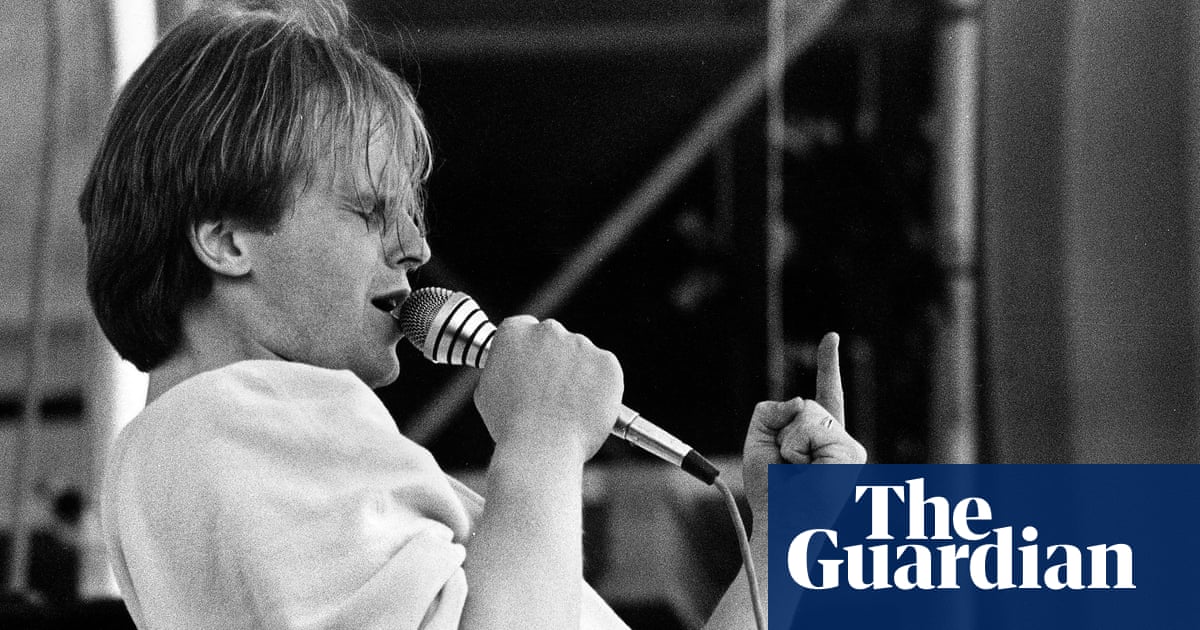
A Munich regional court has ruled that OpenAI's ChatGPT violated German copyright laws by utilizing protected music lyrics from artists like Herbert Grönemeyer and Helene Fischer to train its language models. The court sided with Germany's music rights society GEMA, ordering OpenAI to pay undisclosed damages for this infringement. This decision marks a significant legal setback for OpenAI, directly challenging its training data practices.
This ruling is being hailed as a "landmark European ruling" and a "key European test case," setting a crucial precedent for copyright protection against AI scraping across the continent. GEMA and legal representatives emphasize its potential to create "legal certainty for creators" and impact the global tech industry beyond Germany. The decision underscores increasing regulatory scrutiny on AI developers regarding intellectual property rights.
OpenAI has expressed disagreement with the ruling and is considering an appeal, asserting the decision pertains to a "limited set of lyrics" and does not affect its broader user base. The company's rejected defense, claiming users' liability for output, highlights the ongoing legal challenges AI firms face regarding content generation and training data sourcing. This situation mirrors ongoing litigation in the US, indicating a global trend of IP challenges for AI.
AI-powered research, real-time alerts, and portfolio analytics for institutional investors.
Request DemoOverall Sentiment
moderately negative
Sentiment Score
-0.50
