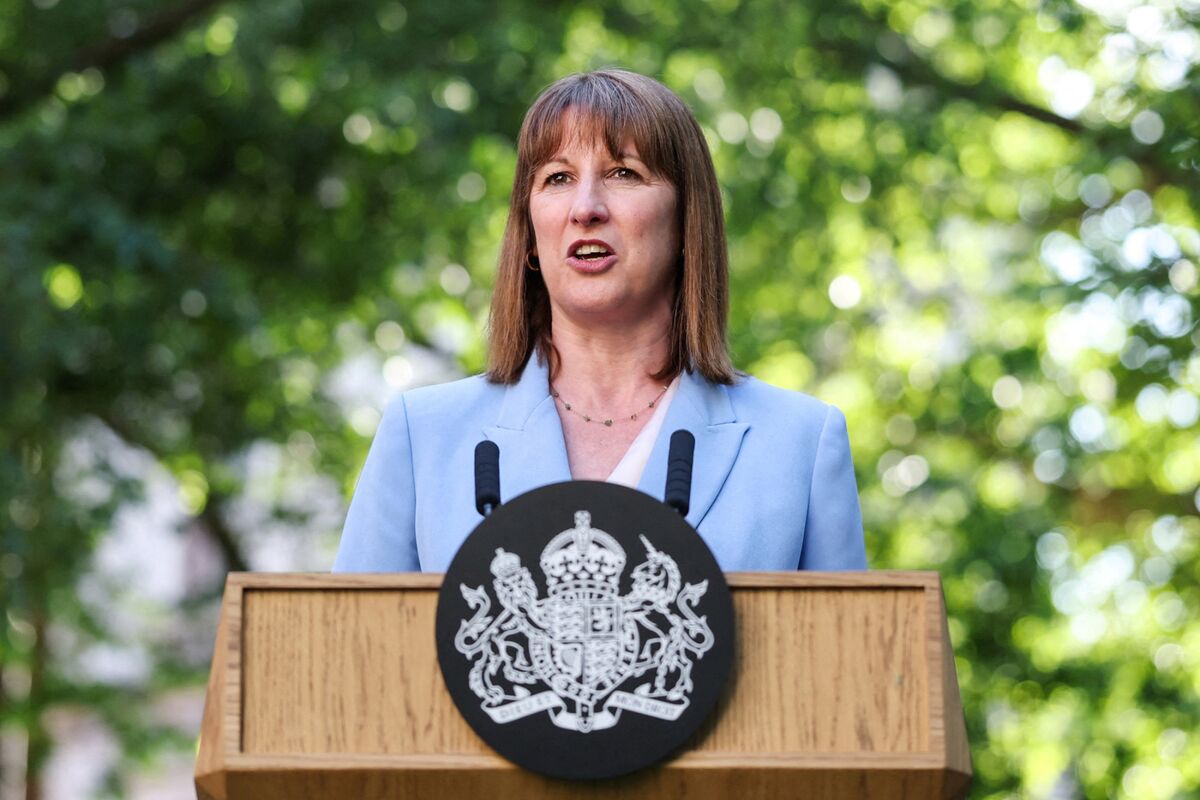
Bloomberg Economics analysis indicates that the UK Labour party's proposed migration crackdown, aiming to reduce net migration by 100,000 annually, will significantly diminish Chancellor Rachel Reeves' budgetary flexibility due to anticipated lower tax revenues. The proposed policies include banning overseas recruitment of care workers and extending the period for migrants to claim settled status, potentially impacting future fiscal planning.
Bloomberg Economics projects that the UK Labour party's proposed policies to reduce net migration by approximately 100,000 individuals per year will significantly diminish the future Chancellor Rachel Reeves's budgetary flexibility. This anticipated constraint arises from a projected decline in tax revenues directly linked to lower net migration, with specific measures cited including a ban on overseas recruitment for care workers and an extension of the period for migrants to claim settled status to ten years from the current five. The "moderately negative" sentiment and "pessimistic" tone associated with this analysis, coupled with a market impact score of 0.5, underscore the potential for constrained fiscal space, which could impact future government spending, tax policies, and overall UK economic management under a Labour administration.
AI-powered research, real-time alerts, and portfolio analytics for institutional investors.
Request DemoOverall Sentiment
moderately negative
Sentiment Score
-0.60
