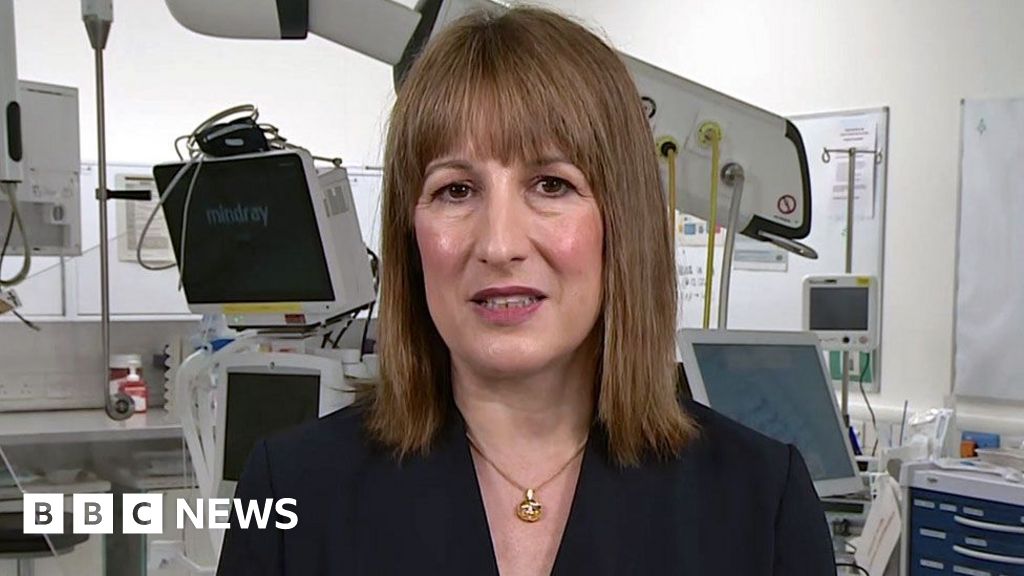
The UK economy unexpectedly contracted by 0.3% in April, driven by increased business taxes, higher household bills, and a significant drop in exports to the US, prompting Chancellor Rachel Reeves to avoid ruling out future tax increases. Economists warn that failure to boost growth will necessitate further tax hikes to balance spending commitments, particularly impacting sectors like services and manufacturing, with the latter affected by new tariffs. While Reeves prioritizes long-term growth projects, immediate spending pressures and investor skepticism regarding government spending plans suggest increased concerns about further tax rises as the autumn Budget approaches.
The UK economy experienced an unexpected 0.3% contraction in April, its most significant decline in 18 months, primarily driven by increased business taxes, notably a rise in employers' National Insurance contributions from 13.8% to 15% alongside a reduced payment threshold, higher household bills, and a substantial £2.7 billion decrease in UK exports, including a record £2 billion fall in goods to the US exacerbated by new 25% tariffs on UK vehicles. Chancellor Rachel Reeves acknowledged these "clearly disappointing" figures and has not ruled out further tax increases in the autumn Budget, a sentiment echoed by economists from the Institute for Fiscal Studies and the Resolution Foundation who anticipate more tax hikes if growth fails to materialize sufficiently to cover spending commitments on NHS and defence, which are being prioritized over other squeezed departmental budgets. While the more stable three-month growth figure to April registered 0.7%, the monthly data reveals acute weakness in the services sector, including legal and property firms impacted by stamp duty changes, and in car manufacturing. Investor skepticism regarding the government's spending plans is reflected in higher borrowing costs, as highlighted by Quilter, with concerns over potential future tax rises likely to further weigh on growth. Businesses, particularly in sectors like hospitality, are already reporting pressure from cumulative cost increases including National Insurance, minimum wage, and business rates. Although the government has secured a tariff deal with the US and other trade agreements, existing tariffs, such as the 10% import tax on most UK goods entering America, continue to affect trade until full implementation.
AI-powered research, real-time alerts, and portfolio analytics for institutional investors.
Request DemoOverall Sentiment
Negative
Sentiment Score
-0.65
