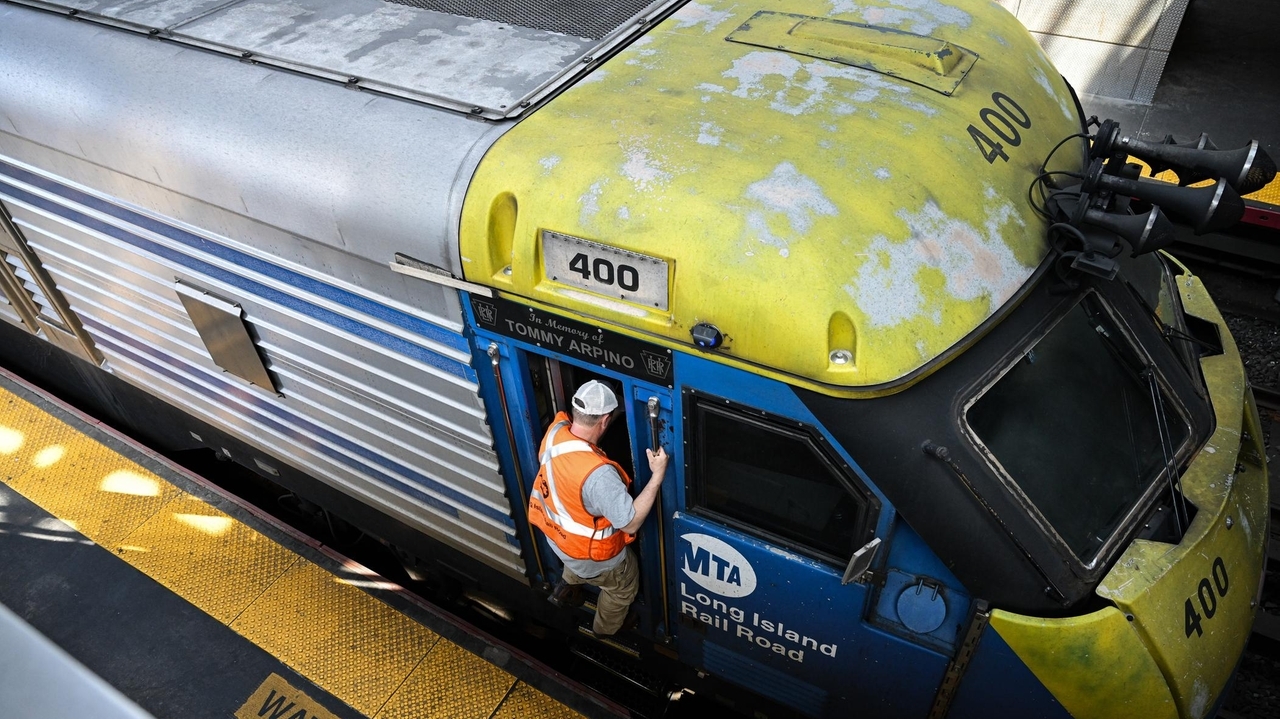
The LIRR strike has been ended with a deal giving unions a 4.5% raise in the fourth year and extending the contract by six weeks into mid-2027. The agreement includes concessions such as up to 16 hours of annual off-hours computer-based training, but still requires ratification by union members and the MTA Board. The compromise appears to avert near-term disruption, though it could influence future MTA labor negotiations and budget planning.
The key market implication is not the strike resolution itself, but the precedent it sets for the next round of public-transit bargaining. By accepting a modestly richer package without fully dismantling legacy work rules, management reduced near-term operational risk while leaving the structural labor-cost overhang intact; that makes the “all-clear” for MTA credit and service reliability only partial. The six-week extension also pushes the next wage reset into a period where budget pressure will be more visible, which raises the odds that this settlement becomes a recurring political issue rather than a one-off labor event.
Second-order, the deal is modestly inflationary for the authority and mildly negative for downstream transit-dependent employers that were hoping for a hard reset on labor economics. The bigger risk is contagion: if other MTA unions benchmark off the headline raise rather than the concessions, the incremental cost can compound quickly across the system and force more aggressive fare, subsidy, or service decisions over the next 12-24 months. That matters less for day-to-day operations than for valuation, because the market tends to re-rate quasi-sovereign credits and regulated transport names when labor volatility becomes serial rather than episodic.
The contrarian read is that management may have avoided the worst-case outcome with a deal that is politically survivable but economically narrow, so the market should not price in a durable labor truce. The real catalyst is the next MTA Board discussion and the eventual negotiation with the much larger transit workforce, where a similar pattern could either validate discipline or expose a broader affordability problem. If the larger bargaining group takes this as a floor, the current settlement will look less like compromise and more like the opening bid for another round of cost inflation.
AI-powered research, real-time alerts, and portfolio analytics for institutional investors.
Request DemoOverall Sentiment
neutral
Sentiment Score
0.05
Ticker Sentiment
