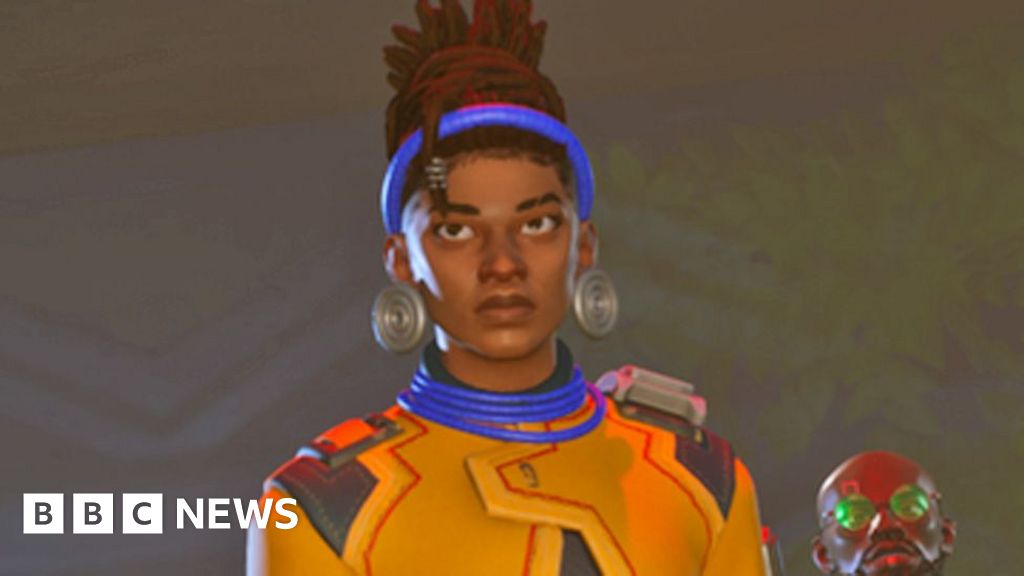
South African studio Nyamakop has released Relooted, an 'African-futurist' heist action game for PC and consoles that dramatizes the repatriation of looted African artefacts and was developed with a pan-African team using motion capture and animated cinematics. The title targets the African diaspora and broader global audiences, but its PC/console focus limits commercial reach in Africa's predominantly smartphone market; the release is positioned primarily as cultural awareness-raising rather than a materially market-moving commercial product.
Market structure: This release is a signal more than a shock — it benefits indie-game toolchains, digital distributors and studios that monetize cultural IP to a global diaspora (winners: Unity (U), gaming ETFs, PC/console digital stores); it is neutral-to-negative for opaque physical art-market intermediaries (auction houses, private collections) if repatriation momentum accelerates. Competitive dynamics favor low-capex, high-ROI indie studios that scale globally via Steam/Epic/Game Pass; expect a slow reallocation of market share from big-budget AAA to culturally distinct indie titles over 2–5 years. Cross-asset: direct macro impact is negligible near-term, but modest positive spill to semiconductors (NVDA/AMD) and cloud infra (MSFT/AMZN) from increased content creation tooling; art/collectibles volatility could rise if legal repatriation precedents materialize.
Risk assessment: Tail risks include rapid legal repatriation rulings or export bans on artefacts that trigger reputational/legal hits to auction houses and related luxury players (low probability, high impact within 6–24 months). Short-term (days–weeks) market effect is immaterial; medium-term (3–12 months) could lift software/tools spending by studios; long-term (2–5 years) could create durable new IP pipelines and licensing revenue. Hidden dependencies: distribution gatekeepers (Steam, Epic) and engine licensing terms determine monetization capture; a platform policy change (revenue share shifts) would materially alter economics. Catalysts: breakout cultural hit, major streaming licensing deal, or a high-profile repatriation court decision.
Trade implications: Direct plays: overweight developer-tool exposure (U) and a diversified gaming ETF (ESPO) to capture volume of indie titles; tactical long NVDA as convex exposure to motion-capture/AI tooling. Options: use long-dated call verticals on Unity to limit capital while keeping upside over 9–18 months; size positions small (0.5–2% of portfolio) until adoption signals confirm. Sector rotation: favor Tech/Gaming and Media content acquirers (platforms/streamers) and de-emphasize niche luxury/auction exposures tied to Western museum inventories until legal clarity emerges.
Contrarian angles: The market underestimates non-monetary motivations driving culturally resonant games — successful diaspora-first titles can generate outsized IP/licensing value (films, merch) beyond game revenues; this could produce multiple expansion for early engine/publisher backers over 2–4 years. Consensus likely underprices venture/VC upside in African studios; curated venture stakes have asymmetric upside versus public small-cap bets. Unintended consequence: accelerated repatriation could shrink auction supply and raise premiums on private restitution deals, creating idiosyncratic opportunities for specialist collectors and private-equity deals rather than public equities.
AI-powered research, real-time alerts, and portfolio analytics for institutional investors.
Request DemoOverall Sentiment
neutral
Sentiment Score
0.00
