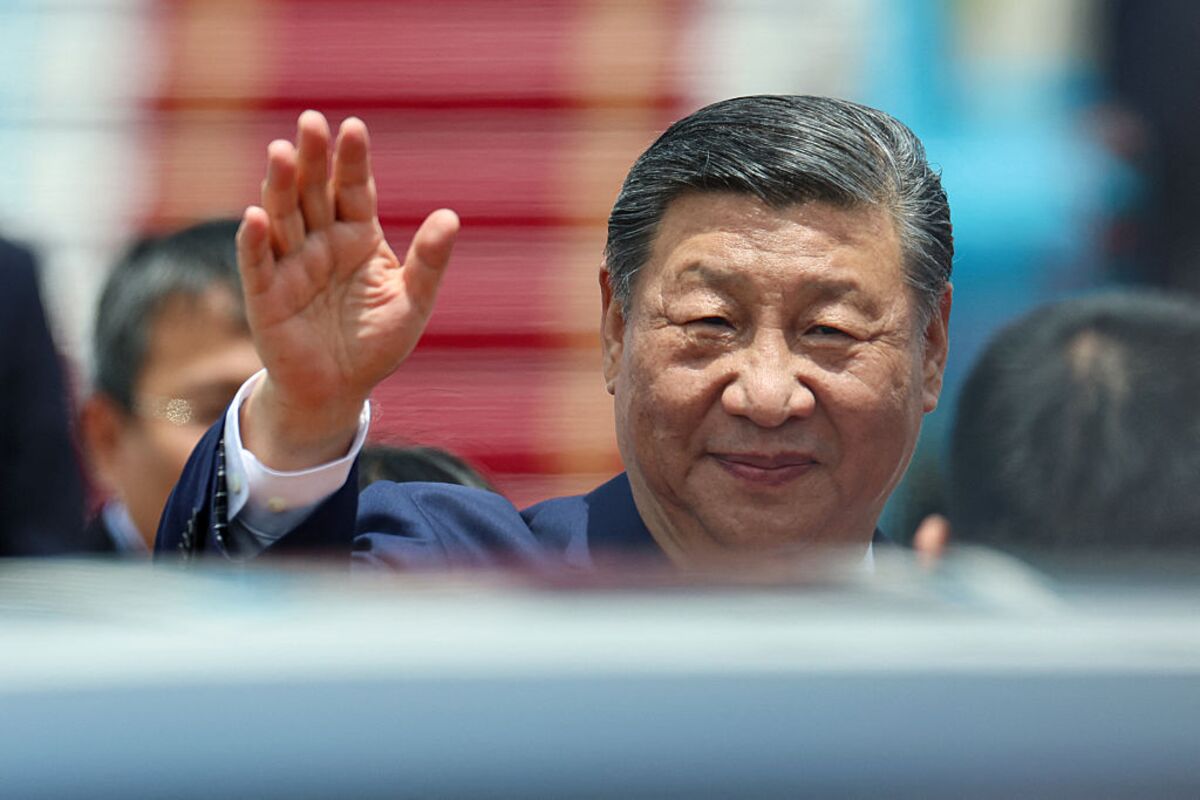
Following trade talks in London, Donald Trump declared a deal had been reached to restore the flow of critical magnets from China and pledged to lift curbs on student visas, while the U.S. Commerce Secretary indicated a willingness to unwind recent tech curbs if niche metals essential to U.S. auto and defense firms flowed quickly enough; however, the negotiations provide China with strategic advantages, buying time and potentially defusing the threat of more harmful tariffs and technology restrictions.
Recent US-China trade negotiations in London culminated in President Trump announcing a deal to restore critical magnet flows from China and an intention to lift student visa restrictions, coupled with Commerce Secretary Howard Lutnick's indication that Washington might unwind recent technology curbs contingent upon the swift supply of niche metals vital for US auto and defense sectors. While these developments are presented as immediate US wins and contribute to a moderately positive market sentiment (sentiment score 0.5) with a notable market impact (score 0.6), the negotiations also represent an understated strategic gain for China under Xi Jinping. The process itself buys China valuable time and helps to de-escalate the immediate threat of more damaging tariffs and technology limitations. This outcome underscores a dynamic where US policy, under Trump, appears focused on tangible, short-term resolutions, whereas China's approach seems geared towards a longer-term strategic positioning within the ongoing trade and geopolitical landscape, primarily affecting trade policy, supply chains, and tariff structures.
AI-powered research, real-time alerts, and portfolio analytics for institutional investors.
Request DemoOverall Sentiment
moderately positive
Sentiment Score
0.50
