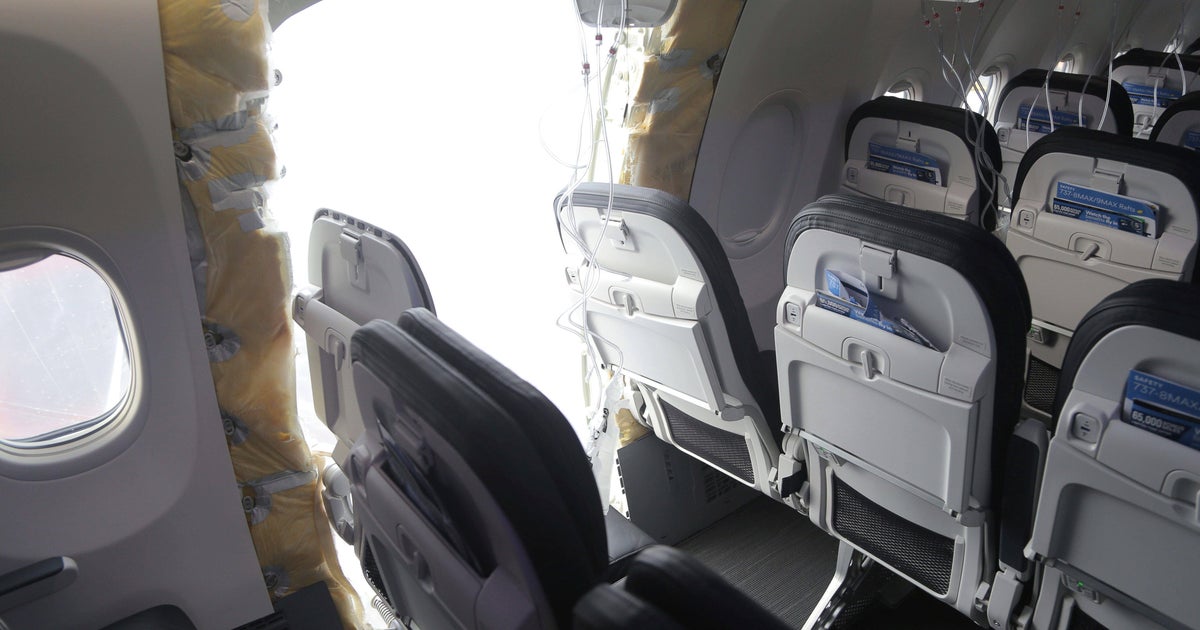
A Boeing 737 Max 9 door plug panel blew out on Alaska Airlines Flight 1282 in January 2024, injuring eight people among 177 aboard; an NTSB probe found four assembly bolts were removed and never replaced, implicating Boeing and supplier Spirit Aerosystems. Captain Brandon Fisher has sued Boeing alleging the company tried to shift blame onto the crew, joining prior passenger and flight-attendant litigation; regulators fined Boeing $3.1 million and later cleared the company to raise 737 Max production to 42/month after remedial steps. The episode raises reputational, regulatory and supplier-quality risks for Boeing and highlights potential ongoing litigation exposure despite some operational remediation.
Market structure: Immediate losers are Boeing (BA) and Spirit Aerosystems (SPR) — direct liability, reputational hit and legal costs that can pressure margins by mid-single digits vs. prior guidance over 12–24 months. Winners are Airbus (EADSY) and non-Boeing suppliers as airlines may delay new BA deliveries or push for concessions (potential 3–7% price markdown pressure on new orders). Credit spreads for BA-related paper should widen modestly (50–150bp tail risk); options IV will spike near litigation milestones while commodities/FX see negligible direct impact.
Risk assessment: Tail risks include large regulatory fines or order cancellations >$1–3bn (low probability, high impact) and potential temporary production slowdowns that could shave 5–10% off annual output. Immediate (days) risk = headline-driven IV spikes; short-term (weeks–months) = lawsuit filings/NTSB/FAA findings; long-term (quarters–years) = sustained brand damage altering airline procurement cycles. Hidden dependency: SPR integration and Boeing shop-floor culture (QA) are second-order risks that can trigger additional inspections across the industry.
Trade implications: Short-term tactic: use liquid options to express downside — buy BA 90-day puts ~10–15% OTM sized to 1–2% portfolio exposure to limit capital at risk; target a 15–25% move. Relative-value: pair trade long Airbus (EADSY) vs short BA, 1:1 notional, 3–12 month horizon to capture potential order reallocation worth 5–15% rel. Sell/trim aerospace supplier exposure (SPR) via 6-month puts or a 1% short position; rotate proceeds into defense primes (LMT/RTX) for cyclically stable cashflows.
Contrarian angles: Consensus may overstate permanent share loss — Boeing still holds a multi-year backlog and production ramp flexibility; historical parallel: 2019–21 737 MAX crisis produced ~40% drawdown then a multi-year recovery. If NTSB/FAA findings limit Boeing fines to sub-$1bn and production resumes, BA could mean-revert inside 6–12 months—presenting a tactical buy-on-climax opportunity using 12–18 month LEAPs after implied vol normalizes.
AI-powered research, real-time alerts, and portfolio analytics for institutional investors.
Request DemoOverall Sentiment
moderately negative
Sentiment Score
-0.38
Ticker Sentiment
