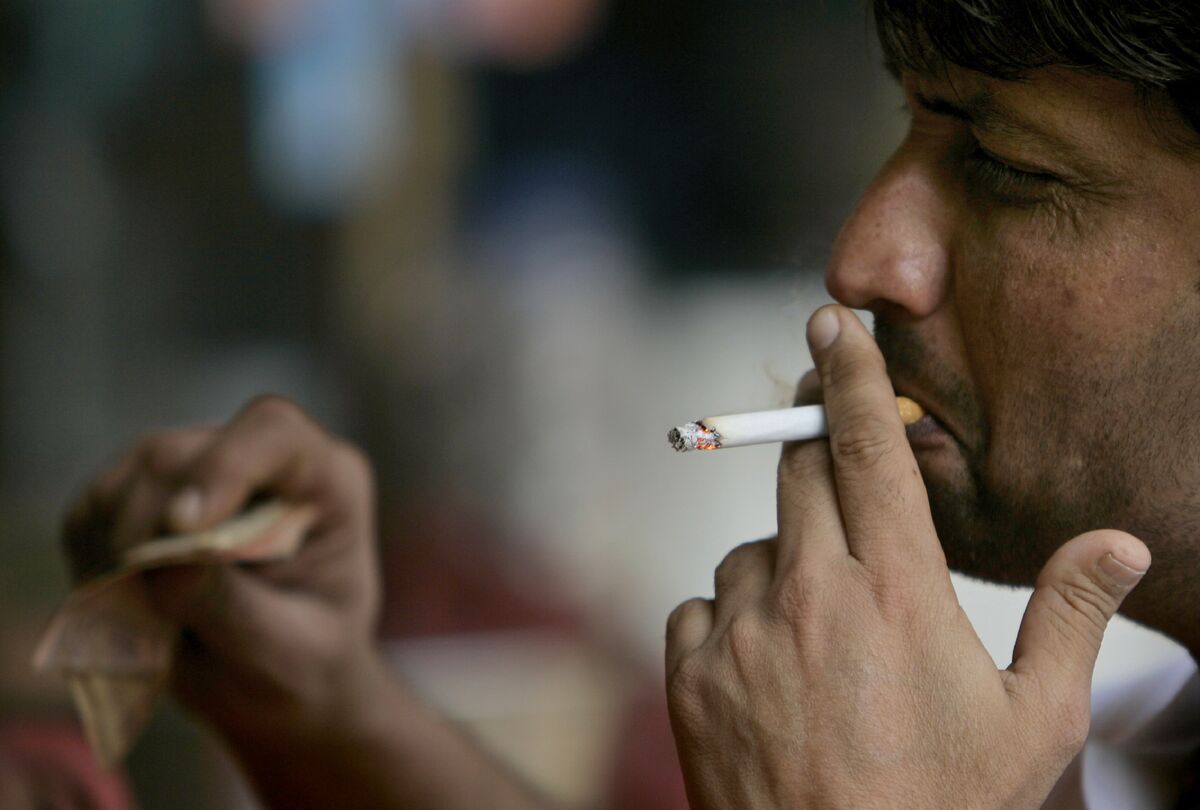
India is planning a new levy on certain tobacco products in the aftermath of a Goods and Services Tax overhaul, signaling further tax-driven price adjustments in the sector. The measure is likely to boost government receipts while putting upward pressure on retail prices and compressing margins for tobacco firms, making Indian tobacco stocks and consumer staples sensitive to the policy change.
Market structure: A new targeted levy on select tobacco SKUs will mechanically compress pricing flexibility and gross margins for listed cigarette manufacturers (e.g., ITC, VST Industries, Godfrey Phillips India) if levies are cost-plus rather than ad valorem; expect 3–8% volume downgrades over 12 months under a 5–15% effective price increase scenario as price-sensitive consumers downtrade or quit. Competitive dynamics favor firms with diversified FMCG portfolios (Hindustan Unilever, Nestle India) and players with stronger illicit-control capability; market share may concentrate toward incumbents that can absorb margin loss via other segments.
Risk assessment: Tail risks include a broader anti-tobacco policy cascade (full excise parity, advertising bans) or sharp rise in illicit trade reducing tax revenue—each could knock 10–30% off listed tobacco EBITDA over 2–3 years. Near-term (days–weeks) volatility will hinge on draft levy text and GST Council guidance; medium-term (3–12 months) outcomes depend on enforcement and cross-border illicit flows; hidden dependency: state-level stamp duties and distribution tax passthroughs could magnify consumer price impact.
Trade implications: Favor underweighting pure-play tobacco equities via 1–3% portfolio reductions and rotate into defensive FMCG (HUL, NESTLEIND) and selected alcohol producers (United Spirits) that may capture share-of-wallet; use 3-month put spreads on ITC to hedge downside while selling covered calls on core FMCG longs to fund cost. Monitor RBI/Finance Ministry announcements and monthly cigarette volume prints for entry triggers.
Contrarian angles: Consensus assumes revenue simply shifts to illicit channels; historically (2010–2018 India excise cycles) listed players recovered within 12–24 months via price-tiering and portfolio mix—opportunity exists to buy selective tobacco names on >15% drawdown. Unintended consequence: higher levy could lower long-run demand and cap valuations, so size positions small and use volatility-defined option hedges to avoid getting caught by regime change.
AI-powered research, real-time alerts, and portfolio analytics for institutional investors.
Request DemoOverall Sentiment
mildly negative
Sentiment Score
-0.25
