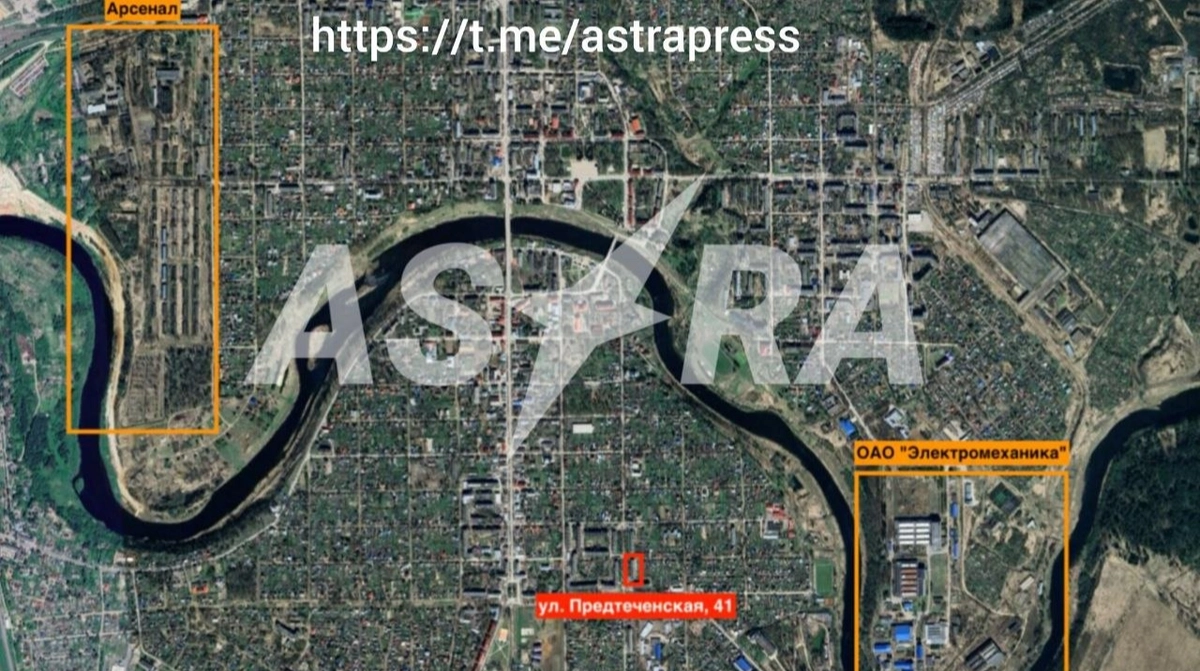
A drone crashed a few kilometres from two Russian defense facilities in Rzhev, including Elektromekhanika JSC and the 55th Arsenal, while local officials reported damage to apartment buildings and 350 evacuations with no casualties. Russia’s Defence Ministry said it downed or jammed more than 300 Ukrainian drones on 7 May, and Moscow also reported intercepting over 20 drones aimed at the capital. The episode underscores elevated wartime risk and continued drone attacks across Russian territory.
The market implication is less about the physical damage and more about the widening perception that Russia’s rear-area defense stack is no longer a reliable buffer. That tends to increase implied risk premia across Moscow-linked assets because it raises the odds of more dispersed, more frequent, and more expensive force-protection spending — a slow-moving fiscal leak that compounds over months, not days. The first-order military impact is probably limited; the second-order effect is a higher operating burden on logistics, inventory security, and repair capacity.
The more important read-through is to supply-chain fragility in dual-use industrial nodes. Facilities tied to maintenance, storage, and specialized equipment are vulnerable to even near-miss disruption because they depend on concentrated labor, power continuity, and transport access. If this pattern persists, expect a substitution toward redundancies, shorter maintenance cycles, and more decentralized storage — all of which reduce throughput and raise unit costs for downstream defense manufacturers.
For markets, the near-term catalyst is not one incident but the regime shift in frequency: if attacks keep reaching deeper inland, the Kremlin is forced to divert scarce air-defense assets away from the front and large cities, increasing tactical risk elsewhere. The contrarian angle is that headline-driven risk-off may be overdone in the immediate aftermath; unless the attacks measurably impair depot throughput or industrial output, the earnings impact on Russian industrials is indirect and lagged. The tradeable expression is higher volatility in energy and defense-adjacent supply chains rather than a clean directional move in the Russia complex itself.
AI-powered research, real-time alerts, and portfolio analytics for institutional investors.
Request DemoOverall Sentiment
mildly negative
Sentiment Score
-0.25
