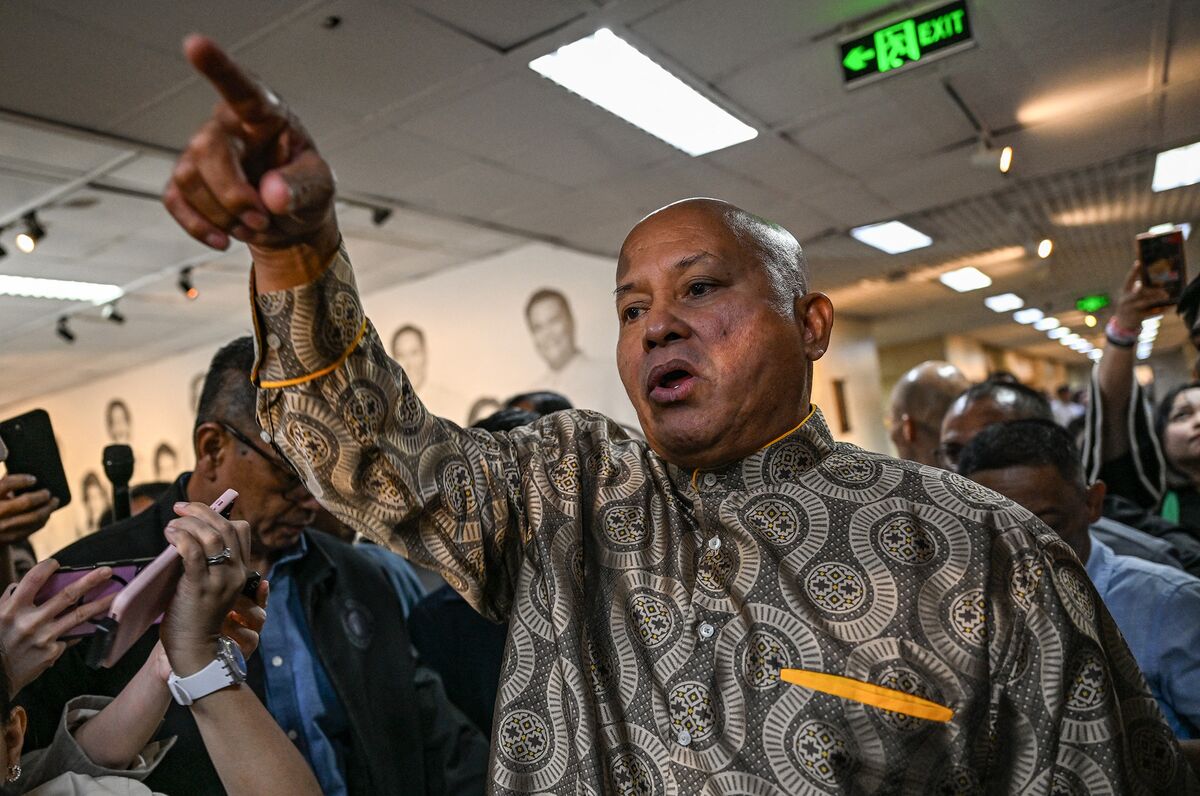
Philippine Senator Ronald Dela Rosa, who is wanted by the International Criminal Court on crimes against humanity allegations, is reportedly still in the Philippines and has no plans to leave. Fellow senator Robin Padilla said Dela Rosa “won’t leave,” underscoring ongoing legal and political uncertainty. The article is largely factual and has limited direct market impact.
This is less a market event than a slow-burning institutional risk premium for the Philippines. The key second-order effect is not the legal case itself, but the signal that a sitting political figure can remain domestically sheltered, which raises the probability of prolonged friction with external institutions and keeps headline risk alive around sovereignty, rule of law, and foreign-relations management. That tends to compress willingness of foreign allocators to take fresh exposure to domestic political cyclicals until there is either a legal resolution or a clear containment strategy.
The more immediate winner is the domestic status quo coalition: allies who can frame non-compliance as nationalist resilience may gain short-term popularity, especially if the story becomes a campaign issue. The loser is institutional credibility, which matters for capital formation over months rather than days; even a small deterioration in perceived legal predictability can widen risk premia in banks, property developers, and consumer names that depend on foreign capital and steady FDI flows. If this escalates into sanctions chatter, visa restrictions, or broader diplomatic retaliation, the impact would transmit through the currency and funding conditions before it shows up in earnings.
The main catalyst is not an arrest event but a change in enforcement intensity: warrants, travel constraints, or official statements from allied governments could force markets to reprice tail risk over a 1-3 month horizon. Conversely, if the matter fades into routine political noise, the market impact likely decays quickly because local investors are already accustomed to headline-driven volatility. The contrarian view is that the move may be overdone if investors assume every legal flashpoint becomes an investable macro shock; absent a direct policy response, the earnings channel may be modest.
For portfolio positioning, the cleaner expression is via country-risk proxies rather than event speculation. A short-duration hedge against Philippine political escalation makes sense through FX or broad EM beta if available, while any overreaction in domestic defensives could create a short-term relative-value opportunity. The biggest risk/reward is in waiting for follow-through: if this develops into sustained diplomatic pressure, the trade becomes a months-long de-rating story rather than a one-day headline trade.
AI-powered research, real-time alerts, and portfolio analytics for institutional investors.
Request DemoOverall Sentiment
mildly negative
Sentiment Score
-0.20
