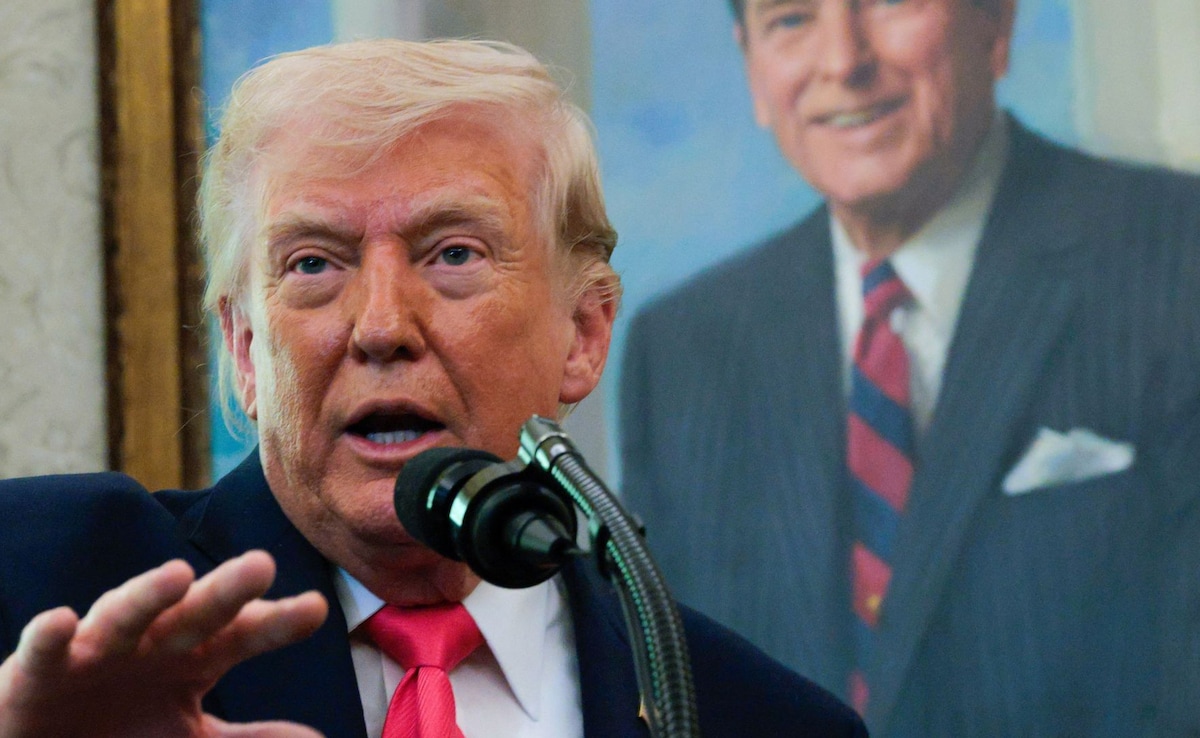
Roughly 20% of global oil supply transits the Strait of Hormuz, which has been described as virtually closed since Feb 28, driving oil and gas prices materially higher and elevating supply and insurance risk. President Trump said Iran sent a cryptic 'present' related to oil and gas and delayed attacks while reopening negotiations, but Tehran denies truce talks — the situation creates potential for either rapid de-escalation (easing oil-market stress) or continued disruption (sustained upside pressure on energy prices and shipping costs).
A sudden removal of a transit risk premium transmits to commodity markets through three levers: (1) immediate reactivation of previously-idled cargoes and release of floating storage, (2) shortening of voyage distances that reduces tanker demand and time-charter rates, and (3) a fall in insurance/war-risk overlays that materially compresses landed crude costs for refiners. Modeling a 3–8% fall in headline crude would be consistent with unwinding a moderate premium; that magnitude typically arrives within days and is largely realized within 2–6 weeks as cargoes reposition.
Short-term winners are service providers that monetize re-openings (short-duration voyage managers, brokers) while medium-term winners are fuel-sensitive demand sectors (airlines, freight-intensive consumer names) as refining margins recover when cheaper feedstock flows resume. Conversely, owners of long-haul tanker capacity and floating storage investors face a two-phase shock: an initial surge in voyages followed by a 20–40% step-down in charter rates over 4–12 weeks as detours and storage demand recede. Reinsurers and P&I clubs see premium normalization that can depress near-term earnings if pricing had recently been elevated.
Key catalysts to watch that will validate or reverse the move are vessel AIS density across affected routes, VLCC/AFRA time-charter indices, war-risk surcharge quotes from major P&I clubs, and visible declines in floating storage volume via satellite-tracking within 7–21 days. Tail risks include a tactical reversal (attack or false signaling) that re-creates a risk premium overnight; probability-weight this by keeping option-based protection and staging position size.
Consensus will likely treat any signal of normalized flows as durable; that is overconfident. The real state change is operationally fragile — cargoes and insurance contracts are stickier than headlines — so prefer convex, short-dated instruments to capture rapid downside in energy risk-premia while limiting exposure to re-escalation.
AI-powered research, real-time alerts, and portfolio analytics for institutional investors.
Request DemoOverall Sentiment
mildly negative
Sentiment Score
-0.25
