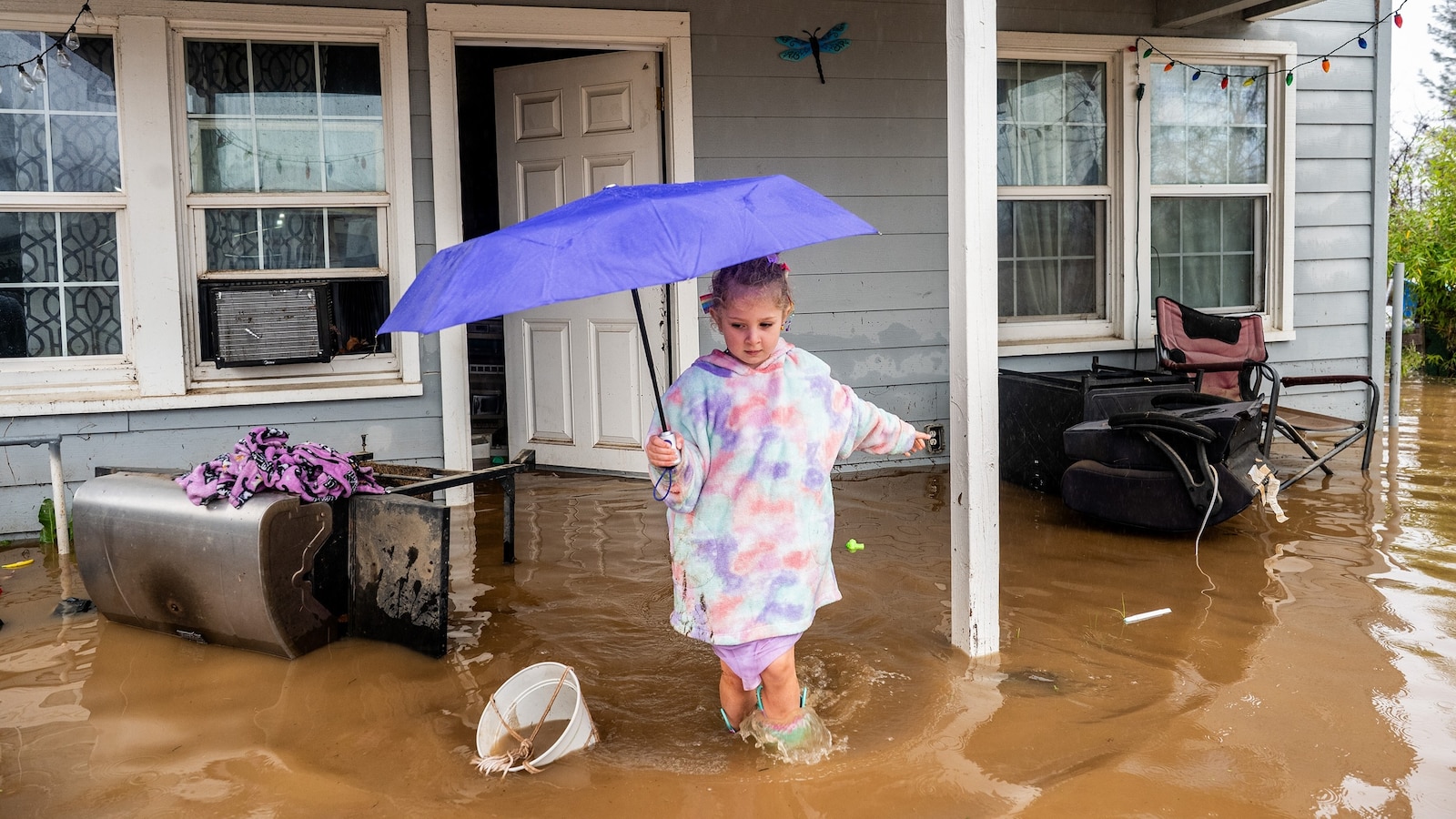
A life‑threatening Pacific storm will hit Southern California with an 18‑hour downpour expected Wednesday, bringing 4–7 inches of rain and pockets exceeding 9 inches, plus wind gusts up to 70 mph and active evacuation warnings; recent burn scars raise the risk of mudslides, landslides and renewed debris flows with further rain on Christmas Day. The system threatens significant road flooding, rising rivers, flight delays and closures during what is projected to be the busiest holiday travel period, implying near‑term operational disruption for airlines, freight/logistics providers and potential elevated claims for insurers and local infrastructure repairs.
Market structure: In the near term (days) the obvious losers are passenger airlines (AAL, DAL, UAL, LUV), airports (LAX/SAN congestion) and travel-dependent services (MAR, HLT) — expect a concentrated 3–10% hit to quarterly volumes in California-origin traffic if cancellations exceed 3–5%. Winners include heavy-equipment and remediation firms (CAT, FLR) and third‑party logistics that can reprice urgent reroutes; ports/containers (ZIM, MATX) gain pricing power if LA/LB closures >48–72 hours, pushing spot freight rates up 10–30% regionally. Supply/demand: parcel demand may rise during the holiday peak but CA ground-distribution constraints will create short-lived capacity bottlenecks and 1–3% margin pressure for UPS/FDX in the quarter. Cross-asset: expect a short-lived spike in equity vol (VIX +10–30%), widening corporate credit spreads for regional travel/leisure names by 10–50bps, and local muni relief issuance upside if damages trigger state recovery bonds.
Risk assessment: Tail scenarios include prolonged port closure (>=72 hours) creating multi-week goods shortages and upstream inflation, or catastrophic mudslides in burn scars producing multi-hundred‑million property losses; both would materially affect supply chains and reinsurer loss estimates. Timeframes split: immediate (0–7 days) operational disruption and stock volatility, short-term (weeks–months) rerouting costs and margin hits, long-term (3–12 months) infrastructure and remediation spending. Hidden dependencies: NFIP/federal flood coverage, insurance policy exclusions for mudslides, and state emergency funding can mute insurer losses. Catalysts to watch: official LA/LB port closure, CA governor/federal disaster declaration, and measured rainfall >9 inches in specific catchments.
AI-powered research, real-time alerts, and portfolio analytics for institutional investors.
Request DemoOverall Sentiment
moderately negative
Sentiment Score
-0.45
Trade implications: Direct plays — short-dated protective puts/put spreads on AAL/DAL/UAL sized 0.5–1% each for the Christmas week window; buy 2–4 week 5–7% OTM put spreads entering 24–72 hours before peak rain, exit within 3 trading days post-storm or on IV collapse. Medium-term longs include CAT call spreads (6–12 month 20–25% OTM) sized 1–2% to play remediation and municipal contracting; consider tactical long ZIM/MATX (1%) only if ports close >48 hours. Pair trade: long FDX (1%) vs short UAL (1%) for 1–3 months to capture freight resilience vs passenger weakness.
Contrarian angles: The market may overprice insurer/reinsurer losses — many flood/mudslide claims fall outside primary policies or are reinsured; buy TRV and RNR on >3% post-storm dips with a 3–9 month horizon sized 1% each. Conversely, don’t assume a sustained airline secular hit from one storm; avoidance of large directional long airline positions is prudent as rebookings often offset short-term revenue loss. Historical parallels (regional CA storms) show equity overreactions that reverse in 4–12 weeks as clarity on claims/federal aid emerges.
