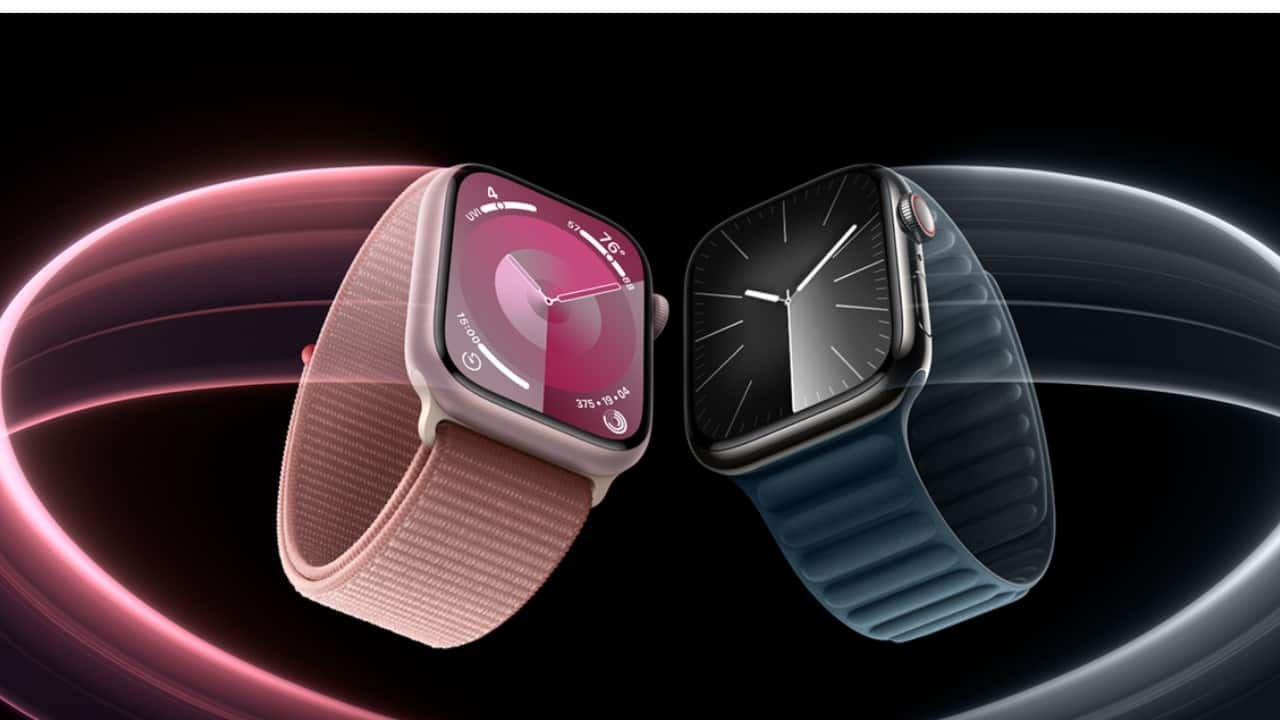
Apple's 2025 smartwatch refresh positions three models across distinct segments: the high-end Apple Watch Ultra 3 (Rs 89,990), the mainstream Series 11 (starting at Rs 41,999) and the value-focused SE 3 (starting at Rs 25,999). Both the SE 3 and Series 11 share the S10 chip and core safety/health features, but the Series 11 differentiates with longer battery life (up to ~24 hours vs ~18 hours), a brighter 2000-nit wider-angle OLED display and advanced health sensors (ECG, SpO2, hypertension alerts), while the SE 3 adds an always-on Retina display and strong day-to-day performance at a lower price. The lineup suggests Apple is narrowing the performance gap between tiers to broaden upgrade appeal and defend mass-market share, with potential implications for unit mix and average selling price dynamics.
Market structure: Apple (AAPL) is the clear near-term winner — SE 3 removes a price-tier gap, likely expanding unit volume in the Rs 26k–42k segment and pressuring incumbents in mid-range wearables (Garmin GRMN, Samsung/SSNLF). Component suppliers (TSM) and display vendors benefit from higher OLED/LTPO orders; margin mix may shift if SE cannibalizes Series units, but Apple retains pricing power via Services attach and ecosystem lock‑in. Cross-asset: expect modest compression in AAPL implied volatility after positive reviews, mild USD strength on repatriation flows, and short-term outperformance of tech vs defensive consumer staples; fixed income impact is negligible unless broader re-rating occurs.
Risk assessment: Tail risks include regulatory scrutiny of medical claims (FDA/EU) or a supplier shock at TSMC that delays S10 chips; low-probability but could knock 10–15% off near-term revenue. Immediate (days) effects are review-driven sentiment swings; short-term (1–3 months) depends on initial sell-through and holiday demand; long-term (4+ quarters) hinges on ASP trajectory and Services monetization per device. Hidden dependencies: wearables growth translates into higher Services revenue and data liability; second-order inventory destocking at retail could transiently depress orders. Key catalysts: Apple earnings (next 45–90 days), supply-chain checks, and regional regulatory guidance on health sensors.
Trade implications: Direct: consider a 2–3% long AAPL position on weakness, target +12–18% over 6–9 months, stop if shares drop >8% on fundamental news. Pair: long AAPL vs short GRMN (0.5–1% net exposure) to express platform dominance over specialist wearables. Options: buy a 3–6 month AAPL call spread 8–15% OTM (limits capital, captures upside should SE drive unit growth) or sell short-dated covered calls to capture premium if holding stock. Sector rotation: overweight Consumer Discretionary/Tech hardware and select component suppliers (TSM), underweight pure-play fitness trackers; rebalance in 1–3 months after November sales data.
Contrarian angles: Consensus underestimates mix risk — if SE 3 takes >30% of upgrades from Series 11, Apple ASPs could fall mid-single-digit over 2–4 quarters, pressuring margins; market may underprice this risk. Conversely, consensus may be underestimating incremental Services revenue from expanded installed base (each additional watch could add $5–10/year in Services long term). Historical parallel: iPhone SE compressed ASPs but increased share and long‑run ecosystem value; monitor unit mix and Services ARPU for early signs (watch for >5% QoQ ASP decline or <3% Services attach drop as triggers).
AI-powered research, real-time alerts, and portfolio analytics for institutional investors.
Request DemoOverall Sentiment
moderately positive
Sentiment Score
0.35
Ticker Sentiment
