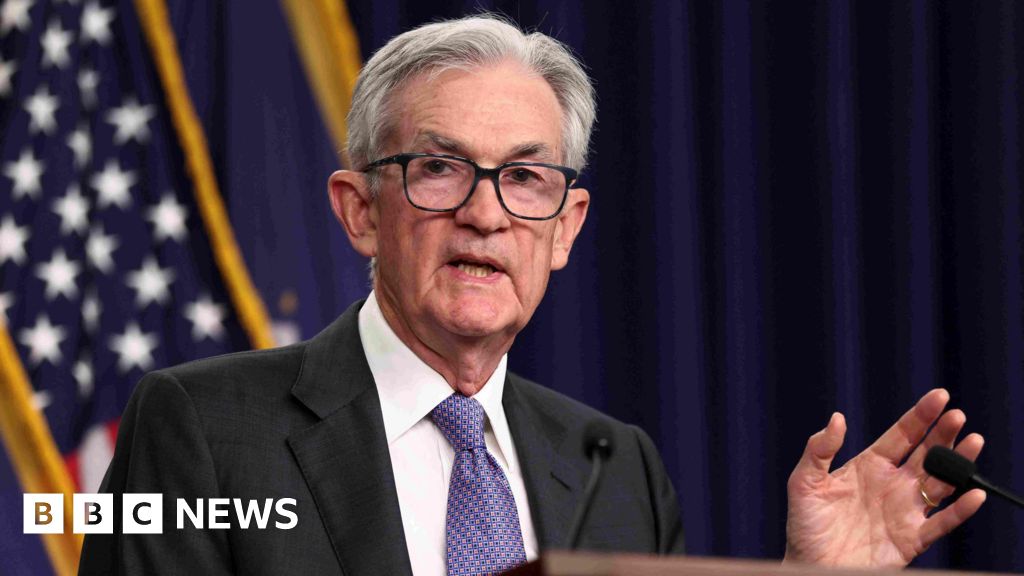
The Federal Reserve cut its policy rate 25 basis points to a 3.50%–3.75% range — its third cut this year and the lowest level in three years — but signaled only one additional cut next year and left the path forward uncertain amid internal divisions (three dissents, including a call for a 50bp cut) and competing risks of a softening labor market versus above‑target inflation. Chair Jerome Powell said policymakers need time to see how easing works through the economy and will watch incoming November labor and inflation data closely; recent delayed data showed unemployment ticked to 4.4% and CPI at 3% in September, while a prior government shutdown has left gaps in the data. Heightened political pressure from President Trump for easier policy and his search for Powell’s successor (Kevin Hassett is a reported frontrunner) add governance and market‑volatility risks that could influence the Fed’s independence and the trajectory of U.S. monetary policy.
The Federal Reserve lowered its target federal funds rate by 25 basis points to a 3.50%–3.75% range, the third cut this year and the lowest level in three years, while its projections signal only one additional cut next year. Policymakers framed the move as cautious; Chair Jerome Powell said they need time to see how easing works through the economy and will examine incoming data ahead of the January meeting.
The decision exposed internal divisions: three officials dissented (Stephen Miran voted for a 50bp cut; Austan Goolsbee and Jeffrey Schmid voted to hold), highlighting tension between the mandates of price stability and employment. Recent delayed data showed unemployment edging up to 4.4% and CPI at 3% in September, and a prior government shutdown created gaps in official data that complicate near‑term policymaking.
Political pressure from President Trump for deeper cuts and an active search for Powell's successor (Kevin Hassett named as a frontrunner) add governance risk that could amplify market volatility. The article and accompanying signals characterize the move as mildly dovish with a market impact score of 0.6, implying modest easing expectations but material uncertainty contingent on November labor and inflation releases and potential leadership news.
AI-powered research, real-time alerts, and portfolio analytics for institutional investors.
Overall Sentiment
mildly positive
Sentiment Score
0.25
