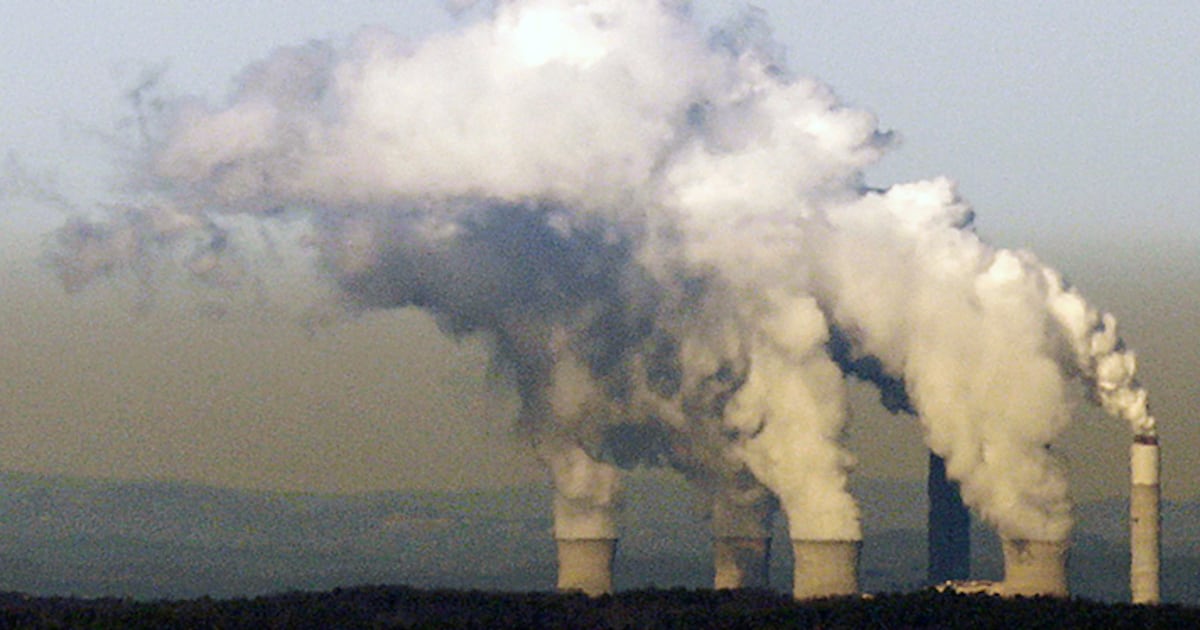
Georgia Power and Georgia’s electric membership cooperatives say they are prepared for an arctic cold snap that could push systemwide demand near Southern Co.’s winter peak (Southern’s record winter demand was 39,934 MW on Jan. 17, 2024; Georgia Power is projecting ~38,400 MW). Utilities cite targeted resiliency investments (heating strips, insulation and other weatherization) to avoid outages, but the piece warns the event will be a test given prior large-scale failures in the 2021 Texas freeze and the 2022 Southeast deep freeze.
Market structure: The immediate winner is regulated, weatherized utilities (e.g., Southern Co - SO) and companies selling winterized services/equipment; Georgia Power projecting ~38,400 MW vs a 39,934 MW Jan 17, 2024 record implies demand could climb 0–5% higher if temps drop further. Natural gas and short-term power merchants are exposed to spot-price spikes and capacity stress — expect upward pressure on Henry Hub and regional basis differentials for 2–6 weeks if cold persists. Financially, utilities with regulated rate bases gain pricing power; merchant generators face forced-outage risk and potential negative headlines that compress equity multiples.
Risk assessment: Tail risks include a multi-day forced outage or cascading gas-infrastructure failures reminiscent of 2021/2022, which would spike spot gas >20%, force rolling blackouts, and trigger regulatory inquiries and capex demands; probability low but systemic. Time horizons: immediate (0–10 days) for volatility in gas/power; short-term (1–3 months) for earnings/cashflow swings; long-term (1–3 years) for capex rerating toward resilient assets and electrification demand from data centers. Hidden dependencies: gas pipeline availability and LNG exports can amplify regional price moves; insurer/credit spreads could widen for smaller co-ops after outages.
Trade implications: Tactical plays favor short-dated bullish gas exposure (Henry Hub or UNG) and relative-long regulated utilities (SO) vs merchant peers (NRG, AES) for 1–3 month windows. Use option structures to monetize event volatility: buy 2–6 week gas calls and 3-month protective puts on small-utility names; consider utility credit (IG) accumulation if system survives to capture spread compression over 3–12 months. Monitor FERC/NERC advisories, forced-outage notices, and 7-day heating-degree-day (HDD) forecasts as primary triggers.
Contrarian angle: The market may underprice insured/regulatory relief for utilities that survive; a clean pass through this cold snap would likely compress SO’s utility risk premium by 50–150bps and lift shares 5–10% over 1–3 months. Conversely, consensus may underreact to a modest gas-price spike — short-dated calls cheaply priced now could return 2x–3x if cold extends past 7 days. Watch for policy/regulatory follow-ups (mandatory winterization orders) that would fund capex winners and penalize unprepared merchants.
AI-powered research, real-time alerts, and portfolio analytics for institutional investors.
Request DemoOverall Sentiment
mildly positive
Sentiment Score
0.12
Ticker Sentiment
