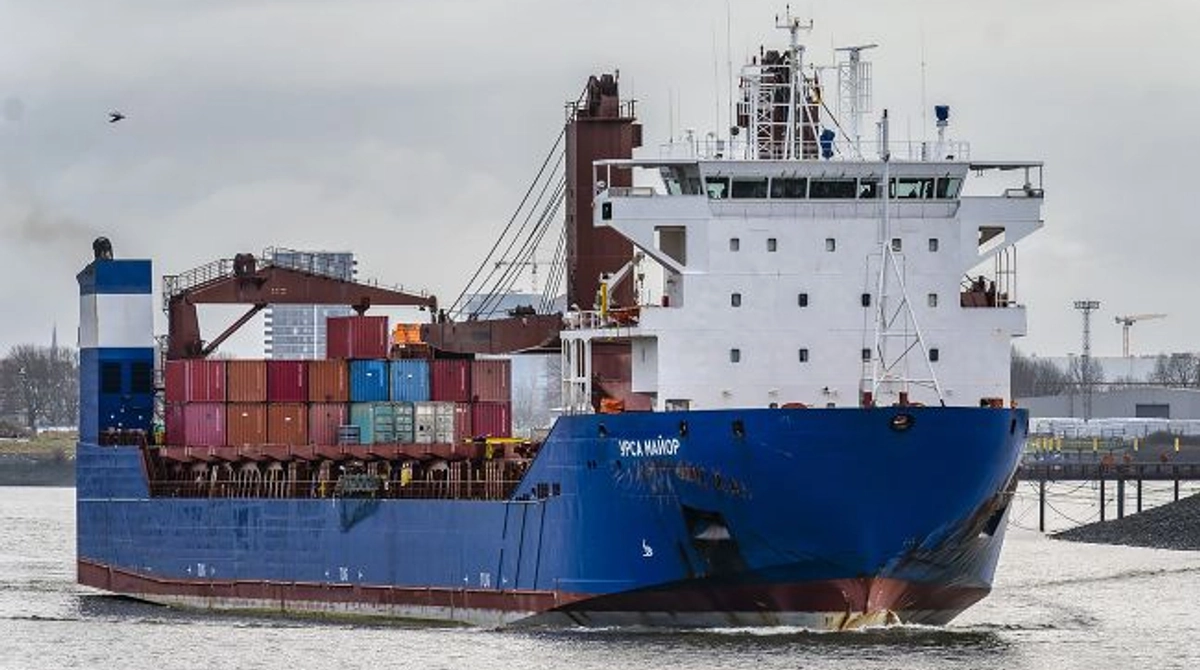
CNN reports the Russian cargo ship Ursa Major, which sank off Spain on 23 December 2024, may have been carrying components for two submarine nuclear reactors and may have been headed to North Korea. The article describes three initial explosions, four later seismic impulses consistent with underwater blasts, and the deaths of two crew members, but the cargo and cause of the sinking remain unverified. The story is geopolitically sensitive, but it is unlikely to have broad direct market impact.
The market implication is less about one ship and more about the signaling effect: if Moscow was materially moving sensitive dual-use nuclear hardware toward Pyongyang, sanctions enforcement just shifted from a trade-friction issue to a proliferation-containment issue. That raises the probability of tighter maritime monitoring, more aggressive cargo interdiction, and broader secondary sanctions on logistics intermediaries over the next 1-3 months. The immediate beneficiaries are Western defense, ISR, and maritime-security vendors; the less obvious loser is any firm with exposure to Russia-linked shipping, port services, and insurance capacity in the Black Sea/Mediterranean corridor.
Second-order effects matter most for Korea risk premia. Even if the cargo never reached its destination, the episode supports the view that Russia-North Korea cooperation is moving up the escalation ladder and is no longer limited to munitions and labor. That increases the tail risk of coordinated sanctions on entities facilitating Russia-DPRK transport, which could spill into Chinese shadow-shipping networks and raise compliance costs across Asian freight and commodity chains. Expect this to be more of a months-long policy drip than a one-day headline fade.
The contrarian point is that markets may underprice the operational difficulty of turning this into a sustained sanctions regime. Proliferation accusations are politically potent but legally messy, and absent hard public evidence, enforcement may remain episodic. That makes the highest-conviction trade not a broad geopolitical short, but a relative-value expression: long names that monetize surveillance and interdiction, short names most exposed to sanctions friction and marine transport opacity.
For optionality, the cleanest setup is to buy upside on defense/security proxies into any pullback and treat any confirmed policy response as a catalyst, not the thesis itself. If the story fades without additional evidence, the trade should mean-revert quickly, so size accordingly and use defined-risk structures rather than outright leverage.
AI-powered research, real-time alerts, and portfolio analytics for institutional investors.
Request DemoOverall Sentiment
mildly negative
Sentiment Score
-0.25
