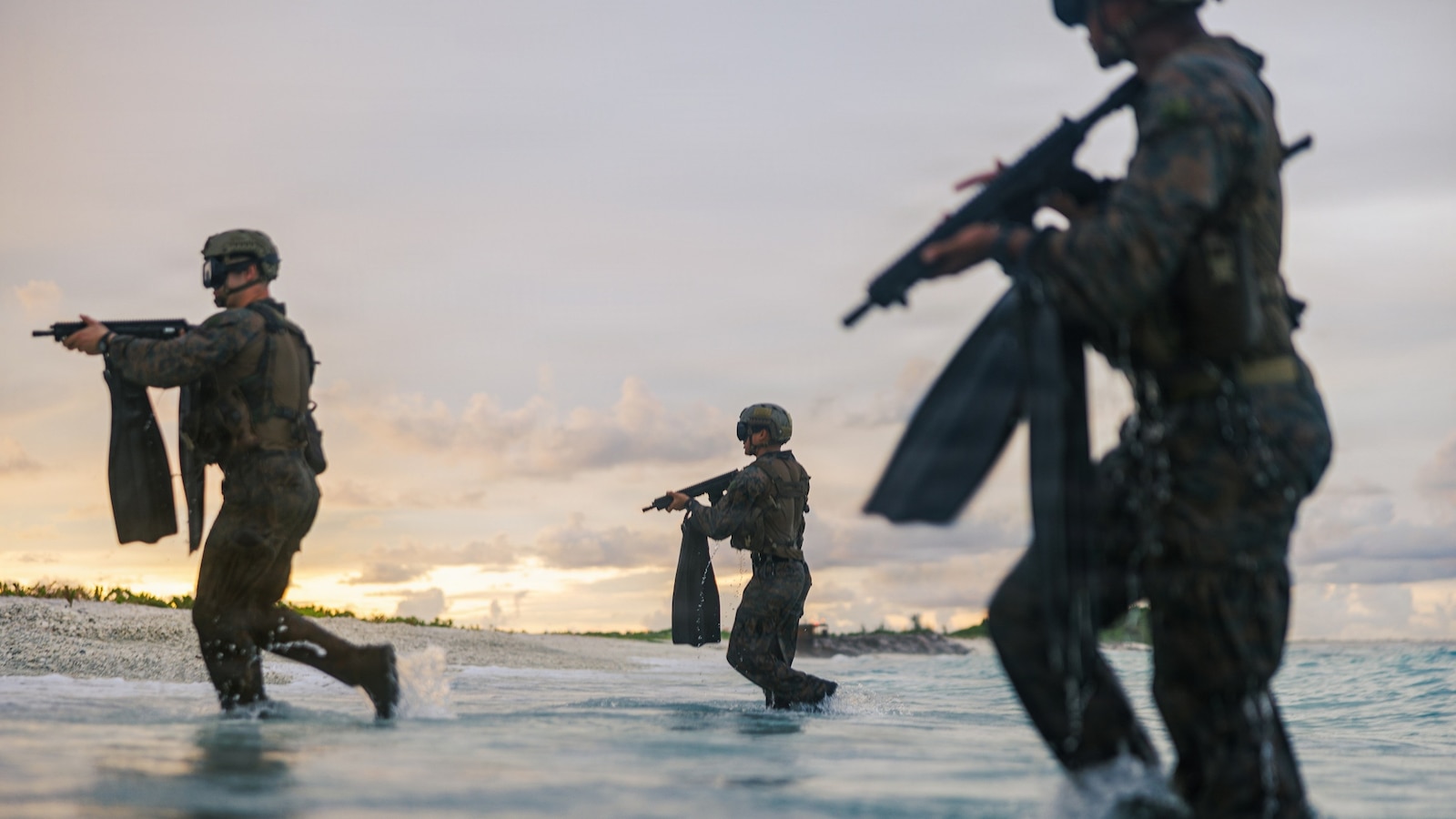
Possibility of U.S. ground troops in Iran is being discussed after the conflict has surpassed one month; House Majority Leader Steve Scalise did not rule out boots on the ground and said congressional leaders were briefed in advance. Senator Chris Van Hollen called for stopping funding for what he termed an 'illegal war of choice,' saying it is costing 'billions of dollars every day' and driving oil and gas prices higher. The administration alerted the Gang of Eight but did not seek formal congressional authorization, leaving political and market uncertainty that could pressure energy and risk assets.
The prospect of a potential ground phase (even as contingency planning) is re-pricing a regional risk premium that flows directly into energy, shipping insurance, and selective defense supply chains. Expect near-term volatility in Brent/WTI driven by insurance spreads and chokepoint-avoidance re-routing: algorithmic desk models should add a 5–15% freight/insurance surcharge to spot crude delivered economics for the next 1–3 months, which favors producers with immediate spare capacity and hurts high-cost refineries and integrated refining margins.
On fiscal and market-structure channels, an elevated chance of sustained operations materially increases the probability of emergency supplemental defense appropriations within a 3–9 month window. That implies both increased Treasury issuance (pressuring front-end yields if short-dated bills fund rapid deployments) and a higher baseline for defense-sector top-line guidance; conversely, persistent operational costs amplify inflationary inputs (energy and insurance) and create a potential headwind for real returns in havens if nominal yields rise.
From an execution perspective, near-term catalysts to watch are classified briefings and a supplemental budget vote (days–weeks), discrete award notices for munitions/sustainment (1–3 months), and any signs of diplomatic backchannels (which can unwind a sizable portion of the premium within 7–30 days). Tail-risks — targeted attacks on shipping lanes, Israeli escalation, or direct strikes on US bases — would shock oil and insurance markets higher and accelerate contract awards; a rapid diplomatic de-escalation would be the primary near-term reversal mechanism and would likely compress defense-related equities by 15–30% from a re-rating peak.
AI-powered research, real-time alerts, and portfolio analytics for institutional investors.
Request DemoOverall Sentiment
mildly negative
Sentiment Score
-0.30
