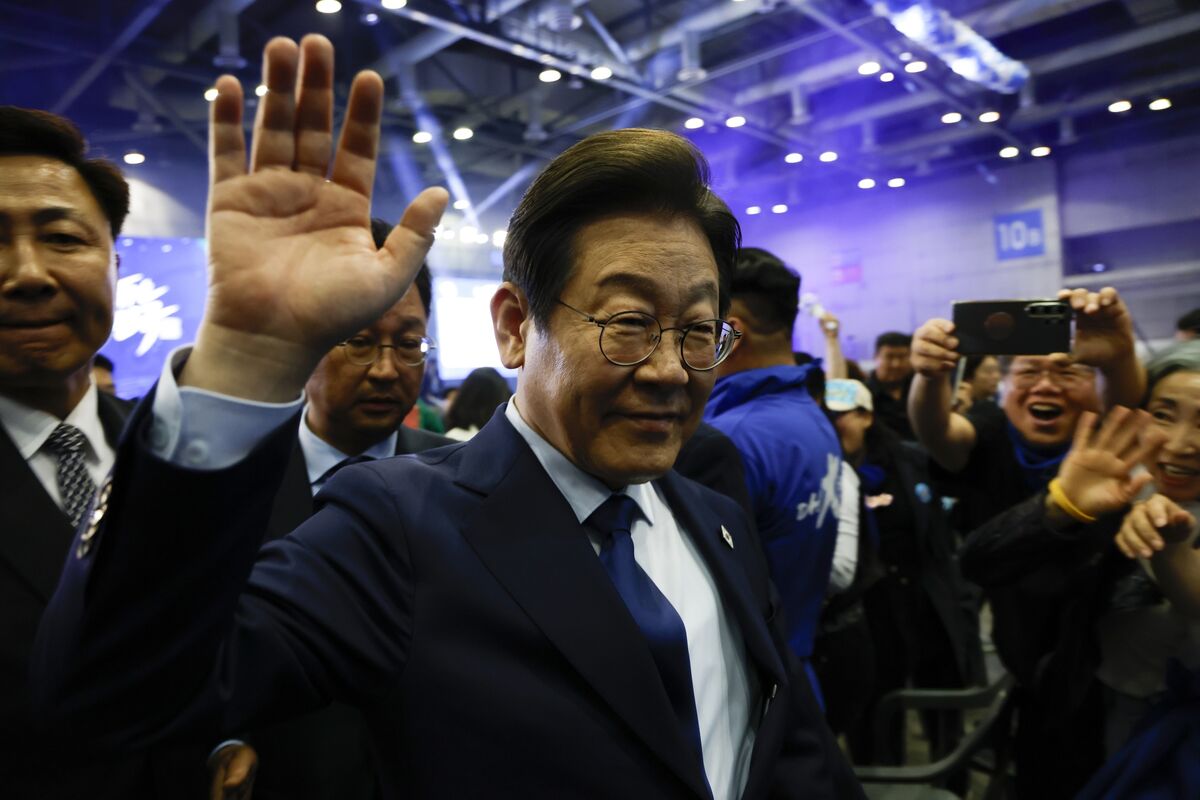
South Korea's upcoming June 3rd presidential election, triggered by the ousting of former President Yoon Suk Yeol, presents a pivotal moment for the nation. The election outcome is expected to either restore stability to the country's political landscape and financial markets or exacerbate existing divisions, following months of constitutional crisis.
South Korea faces a pivotal presidential election on June 3, following the ousting of former President Yoon Suk Yeol amidst the nation's most severe constitutional crisis in decades. This election is anticipated to be a critical juncture, with the outcome potentially ushering in a period of renewed stability for both the political environment and financial markets, or conversely, deepening the existing socio-political divisions that have emerged from months of turmoil. The prevailing sentiment surrounding this event is mixed, characterized by a tone of uncertainty, and it carries a moderate market impact score of 0.6, suggesting that financial markets are poised for a reaction contingent on the election results. The core issue is whether new leadership can successfully navigate the country out of the recent chaos and restore confidence.
AI-powered research, real-time alerts, and portfolio analytics for institutional investors.
Request DemoOverall Sentiment
mixed
Sentiment Score
0.00
