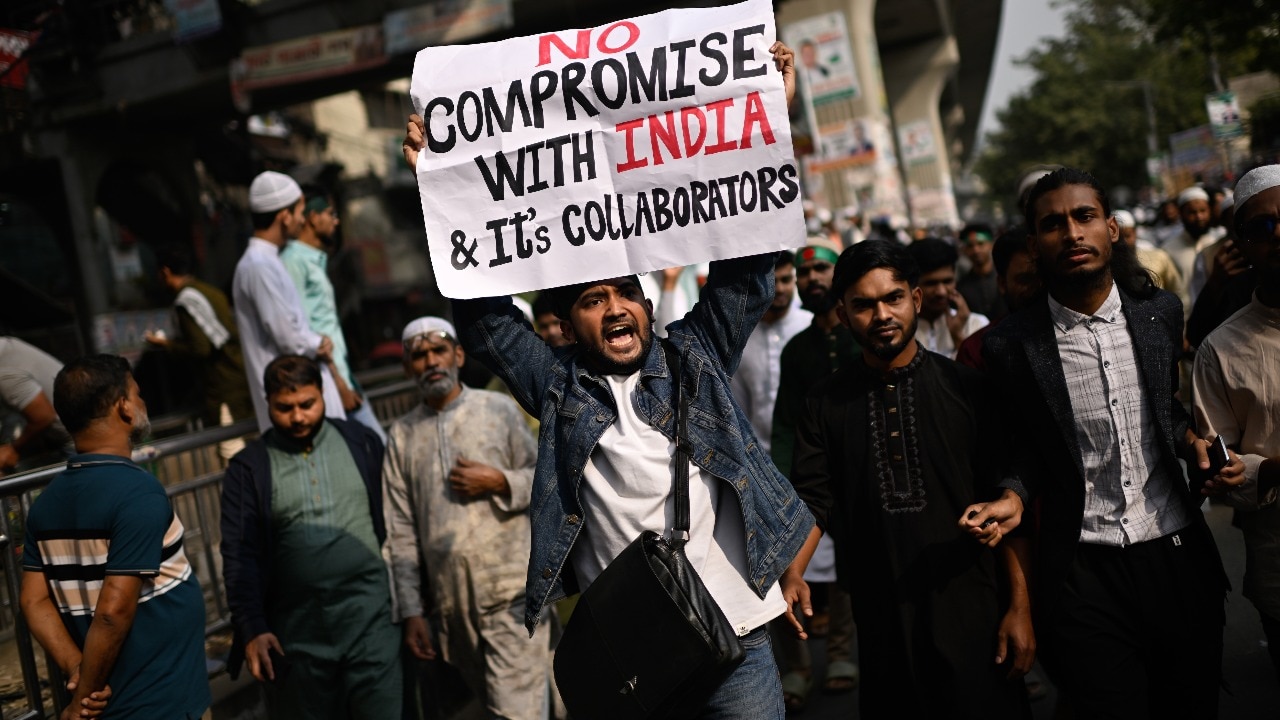
Widespread anti-India protests erupted across Dhaka, Rajshahi and Chittagong after the killing of radical leader Sharif Osman Hadi, with mobs targeting Indian diplomatic premises and accusing shooters of fleeing to India—claims the Dhaka Metropolitan Police say lack verified evidence. Political leaders from Jamaat-e-Islami and the student-led NCP have amplified anti-India rhetoric ahead of February 2026 elections, and experts allege Pakistani influence via Jamaat; separately, maritime confrontations in the Bay of Bengal, including a reported collision and the death of an Indian fisherman, raise bilateral tensions. The developments heighten political and geopolitical risk in Bangladesh, increasing downside pressure on investor sentiment and the regional risk premium ahead of elections and potential diplomatic escalation.
Market structure: Rising anti-India rhetoric in Bangladesh increases political risk premia across South Asian trade corridors, boosting demand for defense/security suppliers (+10–25% potential re-rating on conflict premium over 6–12 months) while depressing frontier assets tied to Bangladesh trade and tourism by 5–15% near-term. Cross-asset flows will likely favor safe-haven sovereigns and USD; expect INR volatility to rise +30–60% realized vs. prior 90-day baseline if incidents at sea or missions escalate.
Risk assessment: Tail scenarios include a sustained naval border clash or an attack on diplomatic missions that triggers targeted sanctions/visa curbs or insurance war-risk spikes; probability low-medium (10–20%) but impact high (regional trade shock, insurance premia +200–500 bps). Immediate window (days) is reputational and FX; weeks–months sees equity re-rating and insurance/reinsurance pricing; quarters–years could alter FDI corridor decisions.
Trade implications: Defensive exposure to Indian defense manufacturers and maritime security providers is logical, while underweighting Bangladesh/frontier exposure and EM beta minimizes risk. Options and FX NDFs become efficient asymmetrical hedges; momentum can be captured on volatility spikes within 1–3 months and realized carry in sovereign paper if markets calm.
Contrarian angle: Consensus assumes broad India loss/gain; miss is that India’s strategic insurance (diplomatic muscle, naval patrols) and domestic political continuity likely limit escalation — so long-dated outright shorts on India are overstated. If incidents stay below fatal diplomatic threshold, assets depressed by knee-jerk flows (Bangladesh-linked equities, regional small-cap EM) can rebound 8–20% within 3–6 months, creating mean-reversion opportunities.
AI-powered research, real-time alerts, and portfolio analytics for institutional investors.
Request DemoOverall Sentiment
moderately negative
Sentiment Score
-0.50
