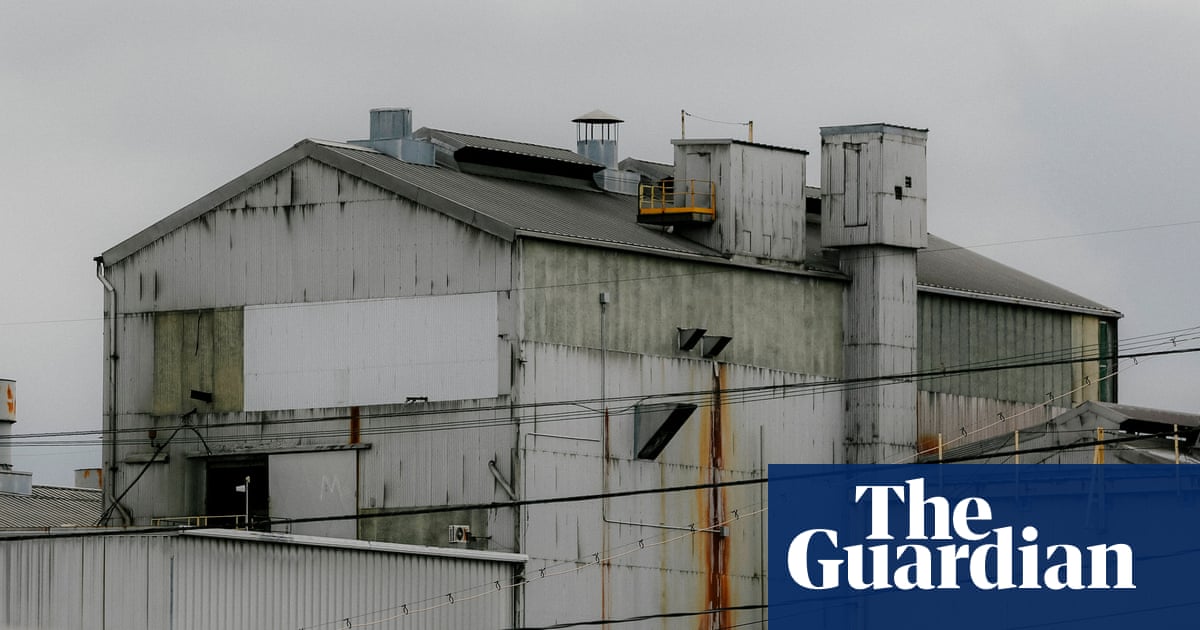
Cleveland-Cliffs plans a several-hundred-million-dollar relining of its Middletown blast furnace that will lock in coke/coal use for an estimated 15–18 years after a $500m DOE grant for a hydrogen retrofit was canceled. The company reported consolidated revenue losses of $600m for 2025, idled mines with ~600 jobs lost, and independent analysis estimates the relining could cause 810–1,476 premature deaths and $1.3bn–$2.3bn in annual health costs in Ohio.
This decision to refurbish legacy blast-furnace capacity materially shifts the steel value chain back toward carbon-intensive inputs for the next multi‑year cycle, creating a near-term demand floor for coke producers while structurally penalizing decarbonized producers that rely on scrap and electric-arc technology. That rotation raises two quasi-offsetting effects: it props up short-term cash flow for integrated miners/steelmakers but increases balance-sheet and reputational risk as buyers (auto OEMs, large industrial purchasers) accelerate low‑carbon sourcing mandates.
Regulatory and litigation risk is the underpriced variable. Local permitting, state-level enforcement actions, and corporate procurement rules create a 12–36 month window where capex that looks prudent on paper can become stranded or subject to retrofit costs and fines; credit agencies and corporate buyers will re‑price issuer spreads and long‑term offtake premiums well before headline environmental policy changes. Commodity and trade dynamics add a second-order feedback: tariffs that supported steel prices are a blunt instrument — if downstream demand weakens further, the integrated players face margin squeeze even as coke suppliers retain utilization, producing a divergence in fundamentals across the chain.
Consensus sentiment focuses on the humanitarian angle; capital markets should be thinking in arbitrage terms: the path-dependent lock‑in of dirty capacity creates transitory winners (coke sellers, short-term cash flow) and persistent losers (integrated steel equity, unsecured debt, nearby municipal credit) that can be expressed with directional and relative-value trades over 3–18 month horizons.
AI-powered research, real-time alerts, and portfolio analytics for institutional investors.
Request DemoOverall Sentiment
strongly negative
Sentiment Score
-0.65
Ticker Sentiment
