Brent jumped ~7% to $109.07 and WTI surged 10.06% to top $110 as fears of military escalation with Iran and Strait of Hormuz disruptions rose after President Trump vowed intensified operations. U.S. indices fell (Dow -236 pts, -0.5%; S&P 500 -0.4%; Nasdaq -0.5%) while Canada’s S&P/TSX 60 was slightly higher (+0.3%) intraday. Safe-haven gold ended a four-day rally, down 3.11% to $4,612.27/oz, with silver plunging 6.99% to $70.79 and platinum down 3.45% to $1,922, reflecting heightened commodity volatility and a market-wide risk-off reaction.
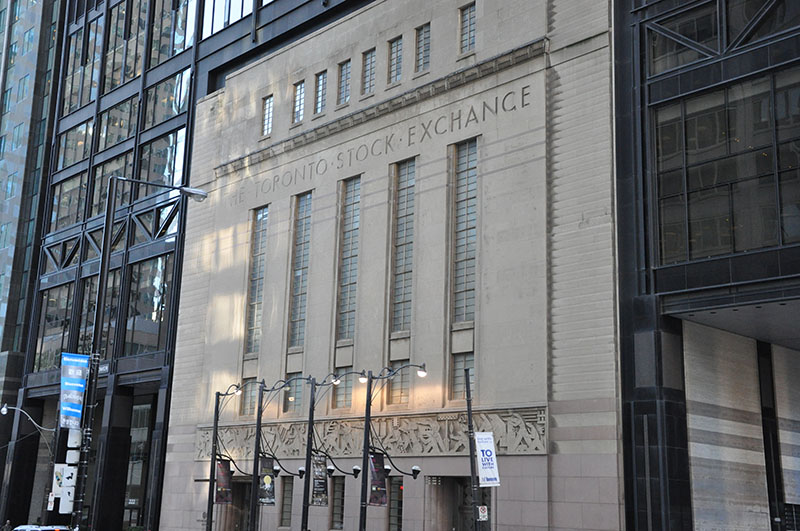
This shock is amplifying path-dependent winners and losers beyond the immediate energy complex. Intermediaries that monetize volatility and flow (exchanges, prime brokers, derivatives clearers) pick up incremental revenue as realized vol and notional turnover spike; that is a multi-week structural tailwind for fee-based platforms even if spot equities sell off. Data-center power and freight-cost inflation is a stealth tax on margin for high-CPU businesses — vendors who sell capital gear with strong backlog and ability to index pricing (GPU/server OEMs) will see revenue resilience and pricing optionality versus pure-demand businesses that rely on ad/consumer spend.
Time horizons matter: expect a discrete knee-jerk over days from headline risk, a tactical re-pricing over weeks as shipping/insurance dynamics settle, and potential structural inflation effects over months that force recalibration of growth multiples. Catalysts that would reverse the move quickly are credible diplomatic de-escalation, coordinated SPR releases, or a visible drop in freight/insurance rates; the things that entrench higher levels are extended chokepoint disruption or attacks on energy infrastructure that raise terminal risk premia.
For our tickers: NDAQ stands to capture higher volumes and implied-vol expansion; treat it as a volatility-revenue play rather than a pure growth story. SMCI sits on the secular AI hardware narrative — its exposure is to capex cadence, not ad cyclicality, making it a relative safe-haven within tech if supply chains hold. APP (ad-tech) is exposed to the discretionary ad reset and multiple compression should risk-off persist, creating an asymmetric short opportunity once headline-driven jumps fade.
Consensus is pricing a prolonged worst-case; that overstates permanency in shipping disruption and underweights rapid policy/diplomatic levers. Position defensively into the next 2–6 weeks and let structural winners (vol/AI hardware) and tactical losers (ad-dependent names) diverge.
AI-powered research, real-time alerts, and portfolio analytics for institutional investors.
Request DemoOverall Sentiment
strongly negative
Sentiment Score
-0.60
Ticker Sentiment
