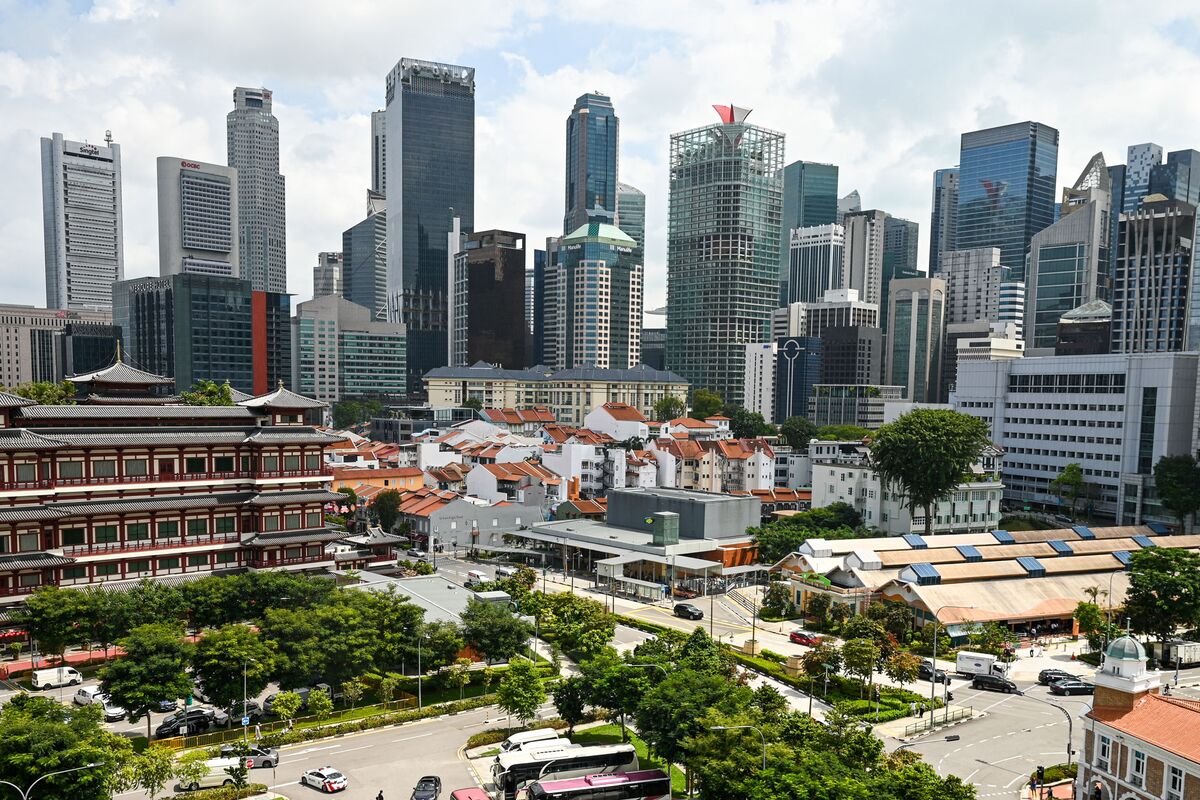
An investment firm owned by Charoen Sirivadhanabhakdi’s five children will acquire S$1.1 billion ($848 million) of hospitality assets from Frasers Property, including hotels in Singapore and Japan. Frasers is selling its 63% stake in five properties as part of a broader S$2.1 billion portfolio optimization tied to last year’s privatization of Frasers Hospitality Trust. The transaction is strategic and asset-recycling in nature, with limited immediate market-wide impact.
This is less a one-off asset sale than a governance signal: the controlling family is effectively internalizing the best hospitality assets into a private vehicle while keeping the listed developer as the sponsor and capital allocator. That tends to be bullish for balance-sheet flexibility at the parent, but it also raises the probability that minority shareholders are left with a lower-quality residual portfolio unless the pricing is demonstrably arm’s-length. In Asia property groups, these “optimization” trades often compress the listed entity’s implied sum-of-the-parts discount only if there is a clear follow-on use of proceeds; absent that, the market usually treats it as a de-risking event for insiders, not a value creation event for public holders. The second-order effect is on capital velocity across the sector: if the parent redeploys sale proceeds into higher-return development or buybacks, it can outcompete smaller hospitality owners on funding cost and project pipeline. But if the transaction is viewed as related-party extraction, it can widen the conglomerate discount and increase the hurdle rate for any future equity issuance. For hotel operators and REIT-style peers, the more important read-through is not direct asset supply, but whether family-controlled groups will become more active sellers of mature assets into private capital markets, potentially setting a floor under cap rates in Singapore and Japan over the next 6-18 months. The contrarian angle is that the market may underprice the optionality of a cleaner structure if this is the first step toward separating operating businesses from legacy hospitality assets. If management uses proceeds to reduce leverage or fund higher-yield projects, the listed developer could re-rate over several quarters as a simpler, more liquid conglomerate story. Conversely, if the transaction price sits meaningfully above public-market implied valuations for comparable hotel assets, it is a warning that listed peers may still be too cheap relative to replacement cost and private-market bids.
AI-powered research, real-time alerts, and portfolio analytics for institutional investors.
Overall Sentiment
neutral
Sentiment Score
0.15
