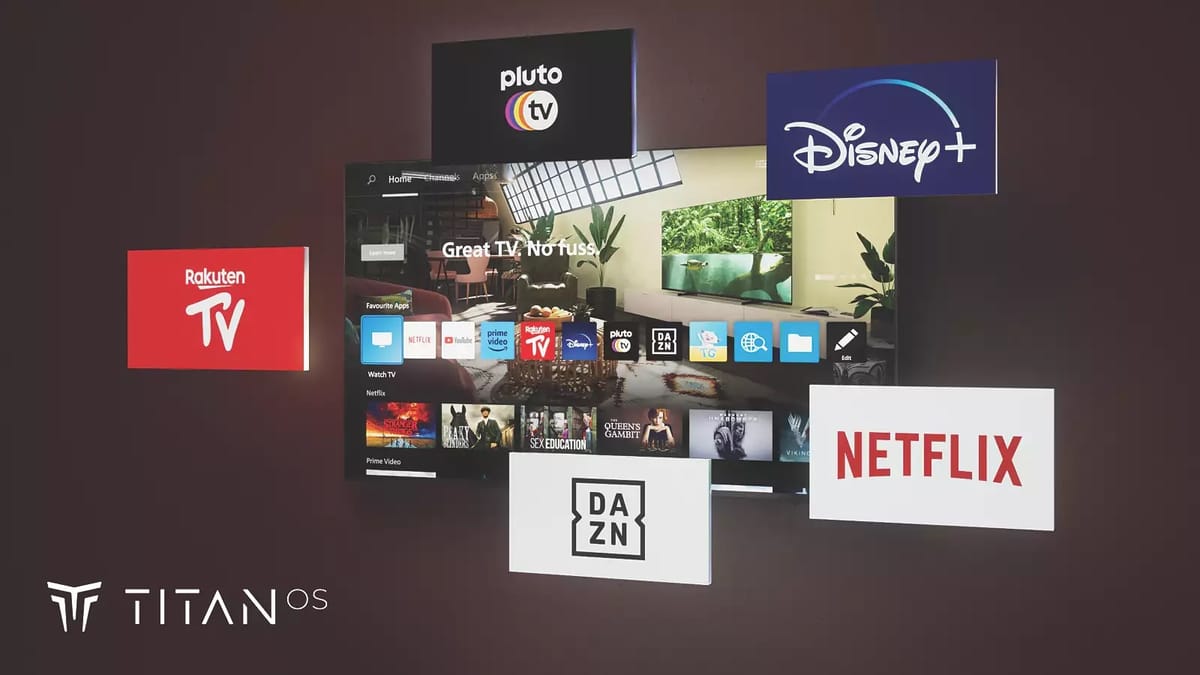
Philips will switch its entire 2026 TV lineup from Google TV to Titan OS (announced March 23, 2026), routing ad inventory into Titan Ads and removing Google-served CTV inventory for Philips devices in Europe. Titan Ads claims reach of over 30 million European households and the CTV channel is growing rapidly (connected TV media budget share cited as rising from 14% in 2023 to 28% in 2025), so the move materially expands Titan OS first-party inventory and potentially boosts Philips/TP Vision ad revenue share. The change reduces Google TV inventory availability in key European markets and increases fragmentation for advertisers, even as user feedback highlights stability, app availability, and UX gaps on Titan OS (missing Google Cast, Spotify, Apple TV app).
The core economic shift is margin reallocation in the CTV stack: device manufacturers now have a credible path to capture a larger slice of recurring ad dollars by operating first‑party homescreens and FAST supply. If OEMs can capture even €2–€5/active device/year versus previous platform splits, that scales quickly across “tens of millions” of European units and becomes a non‑trivial P&L line for manufacturers and their retail partners within 12–24 months.
For platform incumbents that monetize programmatic inventory at scale, the immediate second‑order impact is inventory fragmentation and rising buyer complexity. Expect elevated buy‑side operational costs (more supply integrations, multiple consent stacks, fragmented IDs) to compress effective CPMs for broad campaigns but increase value for precision, curated placements (home screen banners, FAST midrolls) — a structural re‑pricing that favors DSPs and specialized exchange partners who can stitch identity and retail purchase data into audiences.
Execution risk is concentrated in UX and reach. Poor early firmware UX will slow engagement and depress ad yield per device for several quarters; conversely, rapid content licensing and retail data tie‑ins can crystallize scale quickly. The key catalysts to watch over the next 6–18 months are OEM shipment cadence into core EU markets, supply‑side monetization rates disclosed in partner deals, and any defensive commercial moves from the large ad stacks (revenue sharing sweeteners or exclusive content/hotkey agreements).
AI-powered research, real-time alerts, and portfolio analytics for institutional investors.
Request DemoOverall Sentiment
mildly positive
Sentiment Score
0.15
Ticker Sentiment
