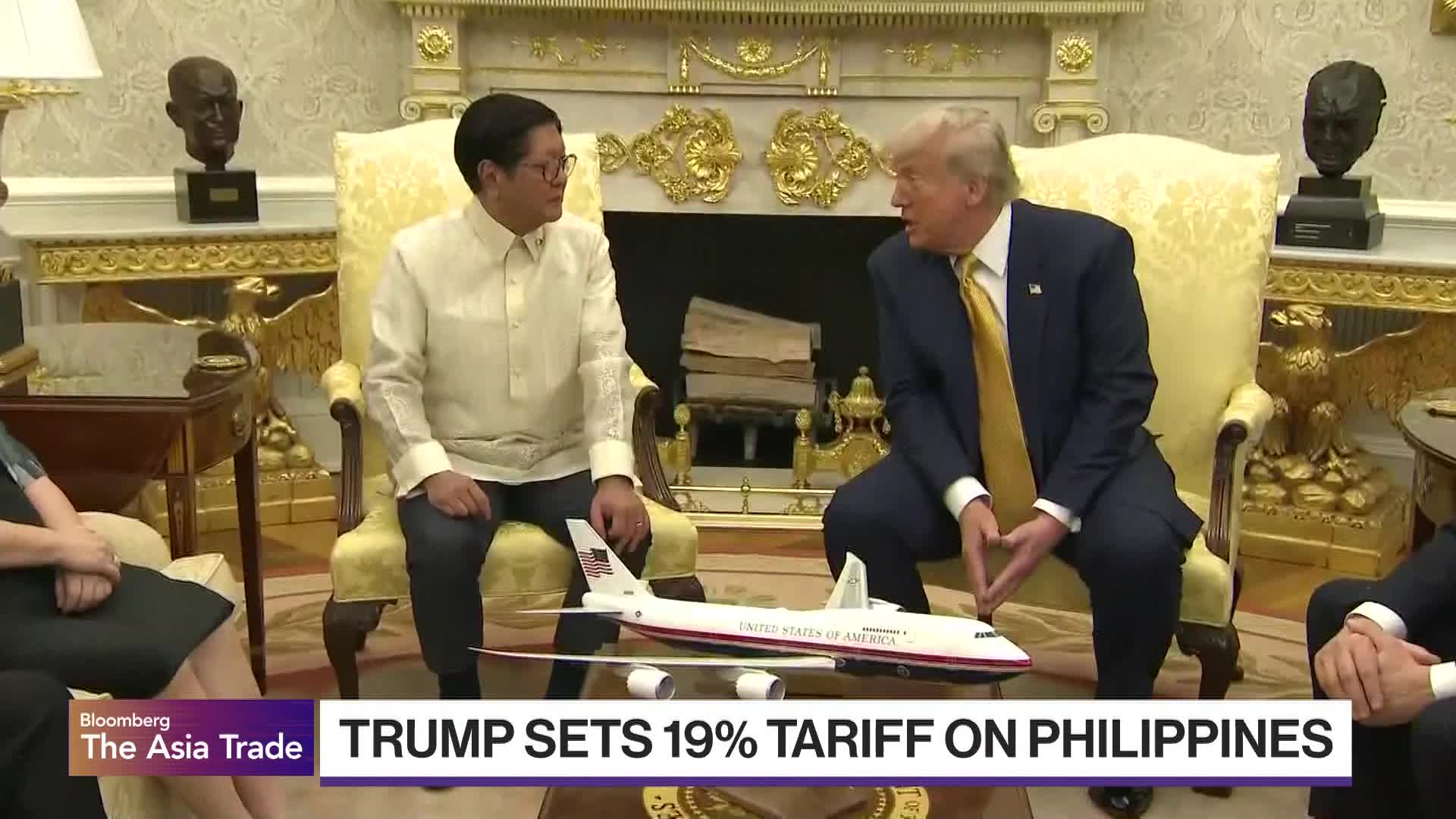
President Donald Trump announced a new 19% tariff on Philippine exports, an agreement reached after his White House meeting with President Ferdinand Marcos Jr. This significant tariff, revealed via social media, is poised to impact bilateral trade relations and could affect companies with supply chain exposure or market interests in the Philippines.
The United States has reportedly established a 19% tariff on all exports from the Philippines, a significant development in bilateral trade policy. The agreement was announced by President Donald Trump on social media following a meeting with Philippine President Ferdinand Marcos Jr. This substantial and broad-based tariff will directly increase the cost of goods for U.S. firms that source from the Philippines, carrying direct implications for supply chain economics and profit margins. The announcement's nature and the neutral sentiment signal suggest the market is processing a major policy shift whose full implementation details and potential secondary effects are not yet clear. The moderate market impact score of 0.5 underscores the tariff's importance, indicating that while it is not a systemic shock, it is a material event for exposed sectors and for the geopolitical relationship between the two countries.
AI-powered research, real-time alerts, and portfolio analytics for institutional investors.
Request DemoOverall Sentiment
mixed
Sentiment Score
0.00
