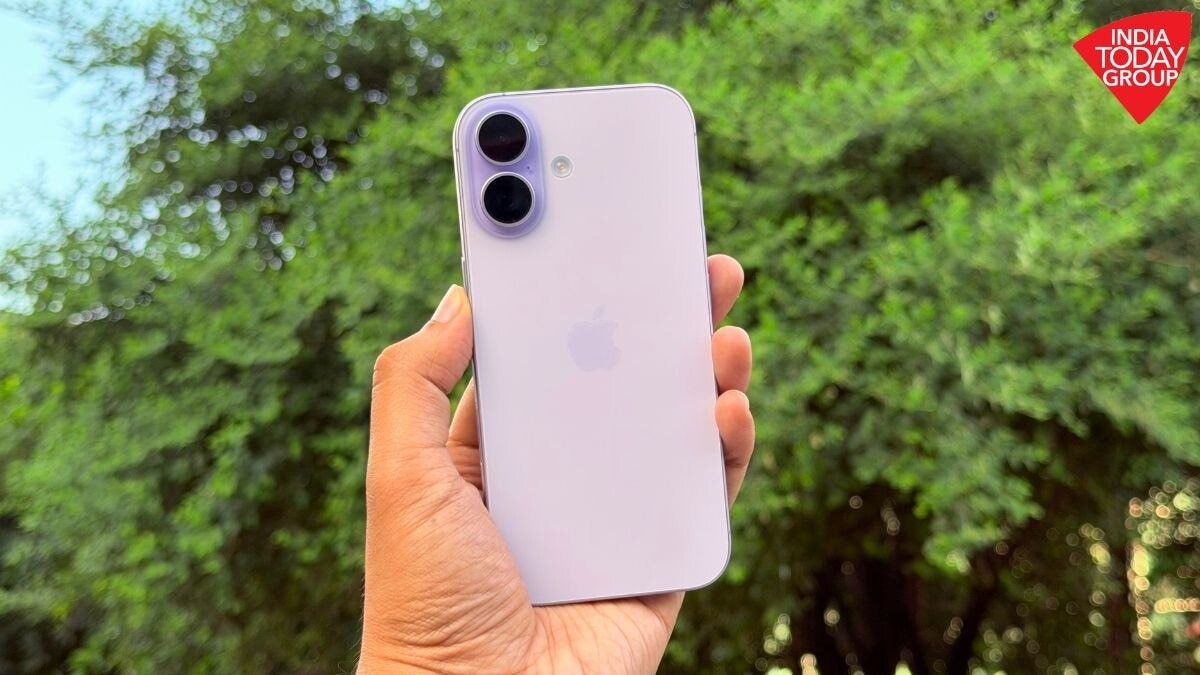
Apple's iPhone 17 was the world's best-selling smartphone in Q1 2026, taking a 6% global market share and pushing Apple into the top three spots with the iPhone 17 Pro Max and iPhone 17 Pro. The article attributes demand to the long-awaited 120Hz ProMotion display, strong A19 performance, improved cameras, solid battery life, and premium brand appeal. The news is supportive for Apple’s product momentum, though likely more sentiment-positive than price-moving on its own.
Apple is compounding an unusually durable advantage: the base model is now strong enough to pull forward replacement demand without forcing users into the Pro tier. That matters because it expands the addressable upgrade pool from enthusiasts to mainstream buyers, which should support higher unit volumes and improve mix across the installed base even if headline ASP uplift is modest. The more important second-order effect is competitive: Android OEMs lose their last easy talking point at the low end of premium, making it harder to defend share without heavier promo intensity. The market may still be underestimating how this changes Apple’s ecosystem economics over the next 2-4 quarters. A stronger base model tends to lift accessory attach, AppleCare, services activation, and wearables conversion, so the profit pool is larger than the handset gross margin alone suggests. It also reinforces carrier financing leverage in the US and selected developed markets, which can keep replacement cycles elevated even if macro softens. The risk case is mostly timing rather than thesis: if the cycle is being pulled forward, there could be a digestion quarter once early adopters are done. Another vulnerability is that the current demand story is premium-market heavy; if China stimulus fades or US upgrade intent normalizes, growth can decelerate sharply even while unit share remains high. The biggest contrarian takeaway is that the street may be focusing too much on 'best-selling phone' optics and too little on the margin stack beneath it—Apple can win volume without needing a dramatic ASP step-up. For competitors, the pressure likely falls hardest on mid-premium Android vendors that lack ecosystem lock-in and must spend more on promotions to keep shelf space. That can force a trade-down in industry profitability before it shows up in share loss, especially in markets where carrier subsidies are the real battleground. Supply chain beneficiaries are likely any high-end camera, display, and advanced packaging vendors tied to Apple volume, but the incremental upside is probably better captured through Apple itself than through pure component beta.
AI-powered research, real-time alerts, and portfolio analytics for institutional investors.
Request DemoOverall Sentiment
moderately positive
Sentiment Score
0.55
Ticker Sentiment
