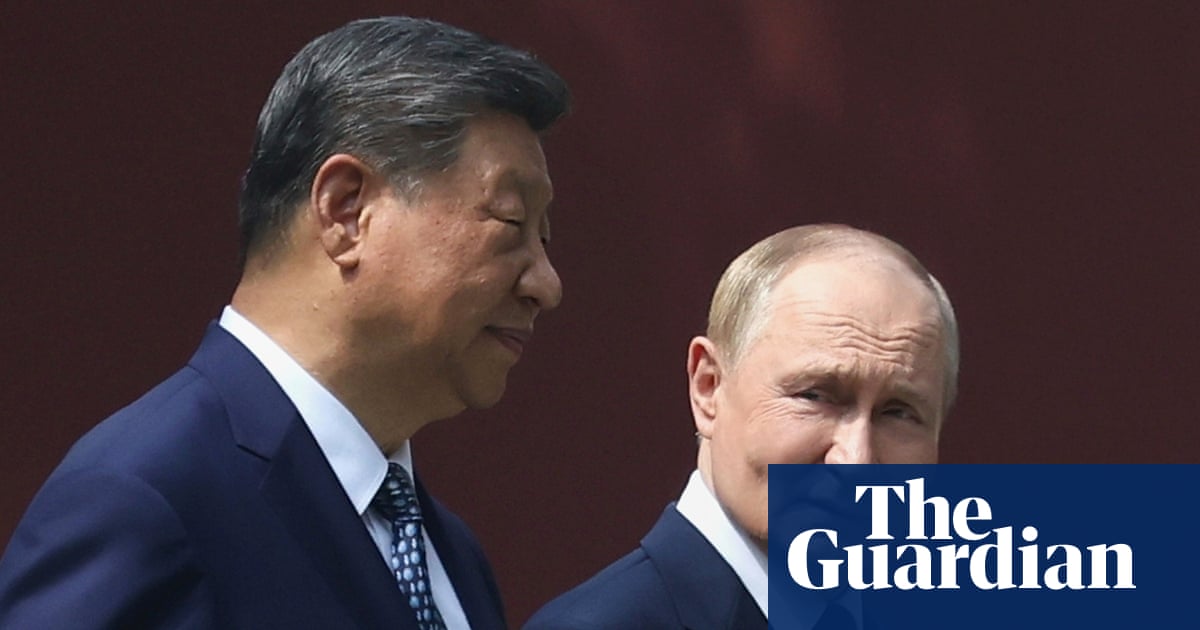
Russian President Vladimir Putin's visit to Beijing solidified an "unprecedentedly high" strategic and economic alliance with China, highlighted by a 30-year deal for the Power of Siberia 2 gas pipeline, set to deliver 50bn cubic meters of gas annually and providing a critical economic lifeline for Moscow. This deepening partnership, underscored by a gathering of non-Western leaders including North Korea's Kim Jong-un, signals a concerted effort to challenge the Western-led global order and reshape geopolitical dynamics, with implications for global energy markets and international stability.
The strategic alliance between Russia and China has solidified into a significant economic and geopolitical bloc, underscored by Russian President Putin's visit to Beijing. The centerpiece of this reinforced partnership is a 30-year agreement to construct the Power of Siberia 2 gas pipeline, which will channel 50 billion cubic meters of Russian gas to China annually. This deal provides a critical long-term economic lifeline for Moscow, enabling a structural pivot of its energy exports away from Europe and mitigating the impact of Western sanctions. The gathering of non-Western leaders, including those from North Korea and Iran, for a military parade and the Shanghai Cooperation Organisation (SCO) summit, signals a deliberate consolidation of an alternative axis of influence. This is further articulated by Chinese President Xi Jinping's proposal for a "global governance initiative" aimed at reshaping the world order. The signing of over 20 bilateral cooperation documents and the extension of visa-free travel for Russian citizens further institutionalize a deep, multi-faceted partnership that challenges the existing geopolitical landscape and has substantial implications for global energy markets and supply chains.
AI-powered research, real-time alerts, and portfolio analytics for institutional investors.
Overall Sentiment
moderately positive
Sentiment Score
0.50
Ticker Sentiment
