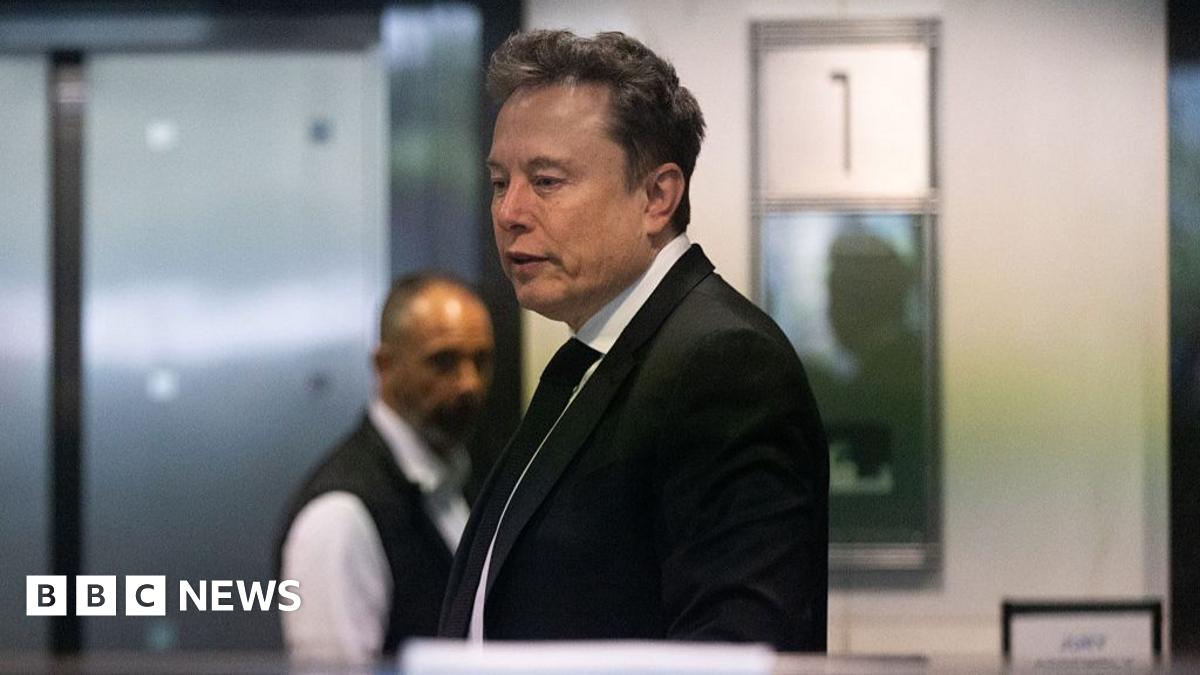
A California jury rejected Elon Musk’s lawsuit against OpenAI, finding he waited too long to sue and effectively ending his claims on the merits of timing. Musk had sought to challenge OpenAI’s shift toward a for-profit structure and alleged Microsoft aided the transition, but those claims were dismissed or defeated at trial. OpenAI called the outcome a "tremendous victory," while Musk’s legal team signaled a possible appeal.
The immediate market read is that the legal overhang on OpenAI is now lower, but the more important signal is that MSFT’s AI partner risk premium just compressed marginally. A clean jury win reduces the probability of a near-term injunction, disclosure leak cycle, or settlement that could have distracted management and complicated the OpenAI/Microsoft commercial stack. In practical terms, that supports continuity in Azure AI monetization, where the market cares less about the courtroom outcome than about uninterrupted model deployment and enterprise adoption.
Second-order, this is a governance win for the platform incumbents and a warning shot to litigation-driven bear theses across AI. If a high-profile challenge centered on mission drift and control fails on timeliness rather than merit, it becomes harder for future plaintiffs to use “founder disputes” as a de facto antitrust or fiduciary wedge. That should modestly reduce headline volatility for MSFT and, by extension, other large-cap AI beneficiaries that rely on similar exclusive or semi-exclusive vendor relationships.
The tail risk is not the verdict itself but the appeal calendar: an appeal could keep the story alive for months, even if reversal odds are low. That means the stock impact is likely more about multiple support than near-term earnings changes, with the main catalyst being whether management commentary on the next earnings call emphasizes faster OpenAI commercialization and broader Azure attach rates. A reversal in the trade would require either a credible appellate path or a new regulatory front that reframes the dispute as competition policy rather than a stale contract case.
Consensus may be underestimating how much this removes a narrative discount from MSFT’s AI optionality. The stock has already been treated like a high-quality AI compounder; what changes here is that one of the few idiosyncratic legal overhangs tied to the AI strategy is less likely to force a headline-driven de-rating. The risk/reward favors owning MSFT on dips rather than chasing on strength, because the legal relief is real but not large enough to justify immediate multiple expansion on its own.
AI-powered research, real-time alerts, and portfolio analytics for institutional investors.
Request DemoOverall Sentiment
mildly negative
Sentiment Score
-0.20
Ticker Sentiment
