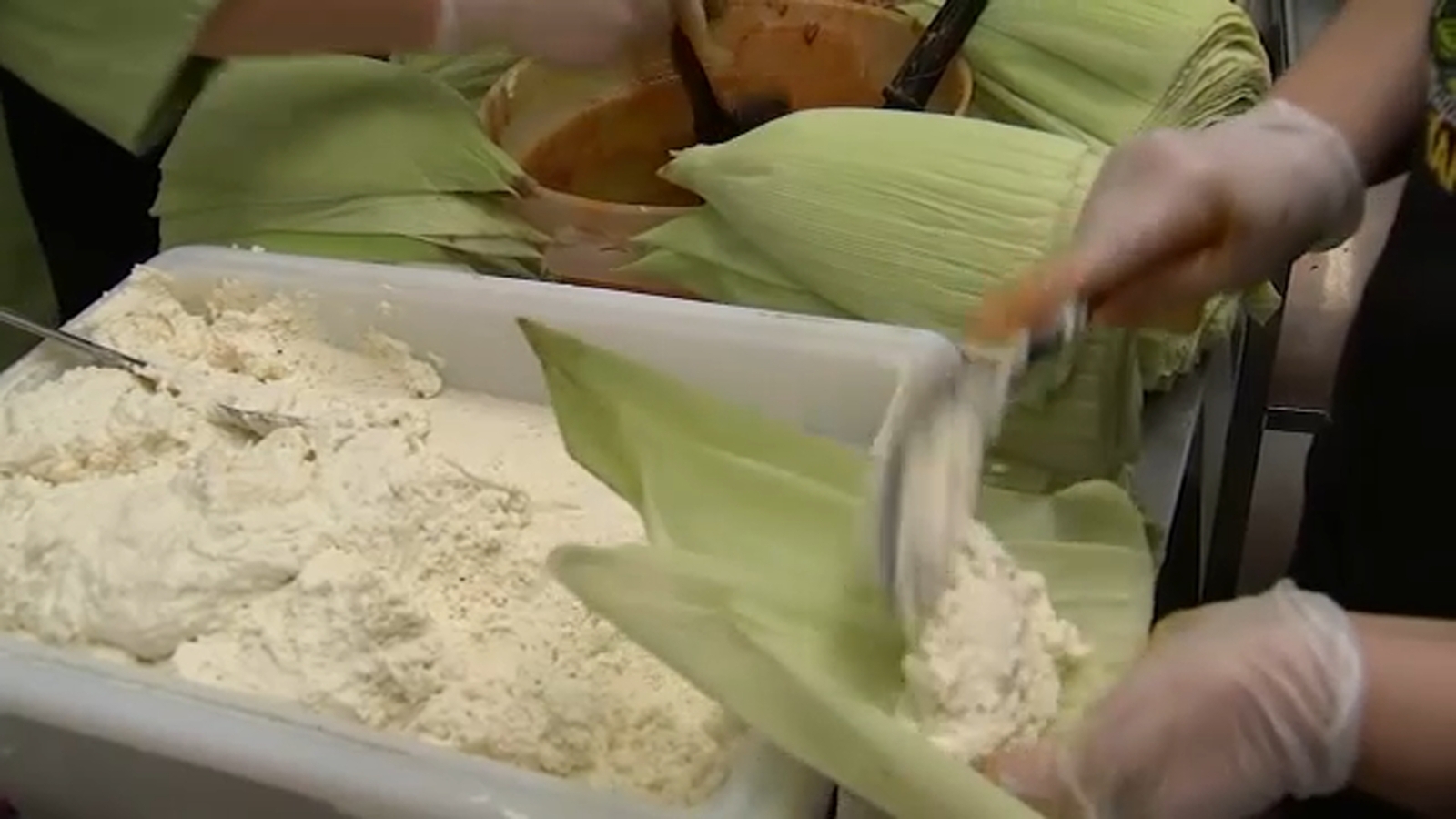
Masa, a key input for tamales, averages $1.99 per pound—about $0.30 higher year-over-year—contributing to weaker sales and margin pressure for restaurants and local food retailers. Retailers such as Amapola Market report absorbing broader cost increases (property taxes, water, trash, logistics) and holding tamale prices steady for three years, indicating localized consumer demand softness and input-driven inflationary pressure rather than systemic market risk.
Market structure: A ~18% YoY rise in retail masa (from ~$1.69 to $1.99) is a microcosm of corn-driven food inflation; direct winners are upstream grain traders/processors (ADM, BG; and Teucrium CORN ETF) and large grocery retailers (WMT, COST, KR) that can pass costs. Losers are thin-margin, local foodservice operators and mom-and-pop grocers that cannot pass through a 10–20% bump in staple inputs during peak seasonal demand (days–weeks around holidays).
Risk assessment: Tail risks include weather-driven corn supply shocks (La Niña), export curbs (political), or a sudden ethanol policy shift that diverts >5% more U.S. corn to fuel—each could spike corn >20% in 90 days. Immediate impact: lower same-store restaurant sales in holiday window (days–weeks); short-term (60–120 days) margin compression for regional restaurants and Q1 inventories; long-term (4+ quarters) potential re-pricing of staples into CPI core basket complicating Fed/labor dynamics.
Trade implications: Tactical trades favor long agricultural exposure (CORN or ZC futures, ADM) and long large grocers/consumer staples (WMT, COST, XLP) while shorting consumer discretionary/restaurant exposure (XLY or regional restaurant names). Use calendar-aware options around planting/harvest cycles: 3–6 month call spreads on CORN or ADM to capture >10% upside while limiting premium.
Contrarian angles: The market underestimates localization effects—persistent small-biz squeezes can accelerate consolidation into national grocers and private-label brands, benefiting scale players and processors over restaurants. Reaction is underdone in equities: processors and grocery chains likely to out-earn restaurants by 300–500bps margin over next 2–4 quarters if corn stays elevated; a >10% corn rollback would reverse these trades rapidly.
AI-powered research, real-time alerts, and portfolio analytics for institutional investors.
Request DemoOverall Sentiment
moderately negative
Sentiment Score
-0.50
