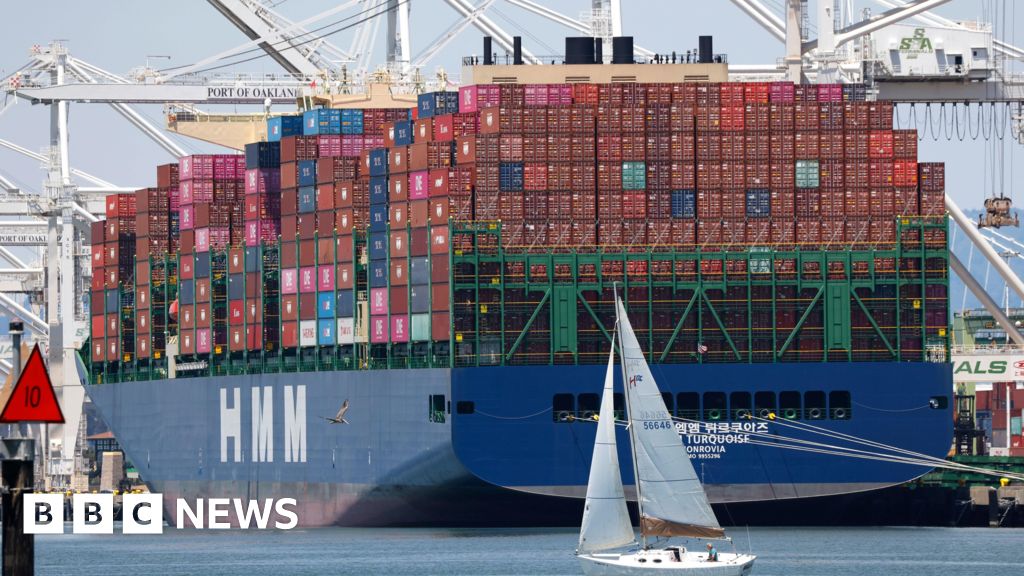
The Trump administration has significantly escalated global trade tensions by raising Canada's tariff to 35% from 25% effective August 1st, citing perceived negotiation issues, while Mexico avoided an increase. Sweeping new import duties, ranging from 10% to 50%, have been widely applied to dozens of nations, including India (25%), Taiwan (20%), and Switzerland (39%). The administration aims to rebalance trade flows and reduce the US deficit, dismissing economists' warnings of increased costs for businesses and consumers, and broader economic drag. This broad imposition of import taxes, despite some prior framework agreements, signals a continued aggressive US trade policy impacting global supply chains and economic outlooks.
The Trump administration has enacted a significant escalation in global trade conflict, imposing sweeping new tariffs and specifically increasing the rate on Canadian goods to 35% from 25%, effective August 1st. This broad-based policy affects dozens of nations, with levies ranging from 10% to 50%, including notable rates for India (25%), Taiwan (20%), and Switzerland (39%). The administration justifies these actions as necessary to rebalance global trade and reduce the US deficit, citing a lack of cooperation from partners like Canada on non-trade issues and less constructive negotiation stances. This move directly contradicts warnings from economists who anticipate the tariffs will raise costs for US businesses and consumers, creating a drag on the economy. While some partners like Mexico secured a temporary reprieve and South Korea negotiated a deal involving investment concessions, the unpredictable, last-minute nature of the policy, evidenced by the failed call with Switzerland, introduces substantial uncertainty into global supply chains. Even framework agreements with major partners like the EU and China remain unresolved, signaling prolonged instability and a high-impact environment for international commerce.
AI-powered research, real-time alerts, and portfolio analytics for institutional investors.
Request DemoOverall Sentiment
strongly negative
Sentiment Score
-0.80
