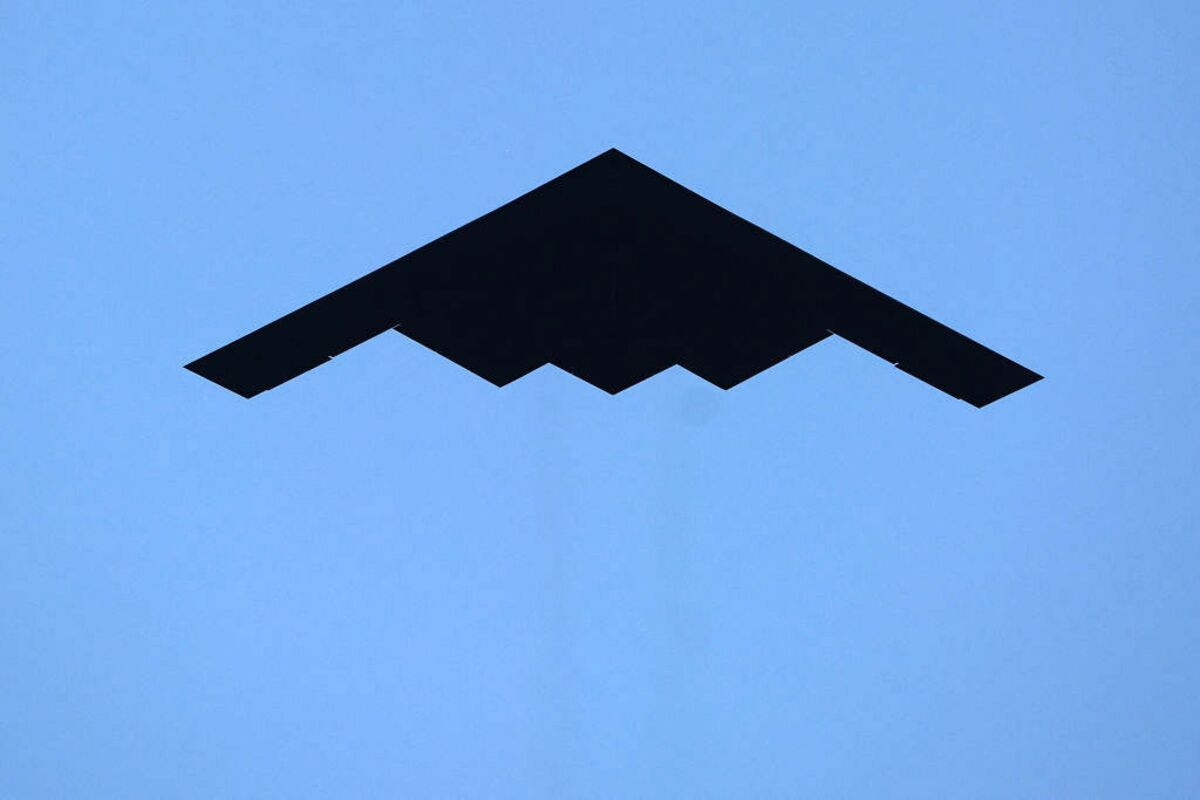
U.S. airstrikes targeting Iranian nuclear installations, ordered by President Trump, have reportedly "totally obliterated" heavily fortified sites, though independent verification is pending. While the strikes aimed to dismantle Iran's known nuclear capabilities, experts suggest they have inadvertently complicated the ongoing efforts to monitor Iran's uranium enrichment activities and prevent the development of nuclear weapons, creating new challenges in tracking remaining materials and facilities.
Recent U.S. military strikes against three key Iranian nuclear installations have introduced significant geopolitical uncertainty and a complex new risk landscape. While the U.S. President asserted that the fortified sites were 'totally obliterated,' this claim currently lacks independent verification, creating a critical information vacuum for assessing the event's true impact. According to expert sources following the program, the strikes may have had the counterintuitive effect of complicating, rather than eliminating, the threat of Iranian nuclear proliferation. By potentially dispersing materials and driving activities underground, the action has made the task of tracking uranium and ensuring non-weaponization more challenging for international observers. The event's high market impact score of 0.7 and 'uncertain' tone underscore the elevated risk premium now associated with Middle Eastern stability and, by extension, global energy markets.
AI-powered research, real-time alerts, and portfolio analytics for institutional investors.
Request DemoOverall Sentiment
moderately negative
Sentiment Score
-0.50
