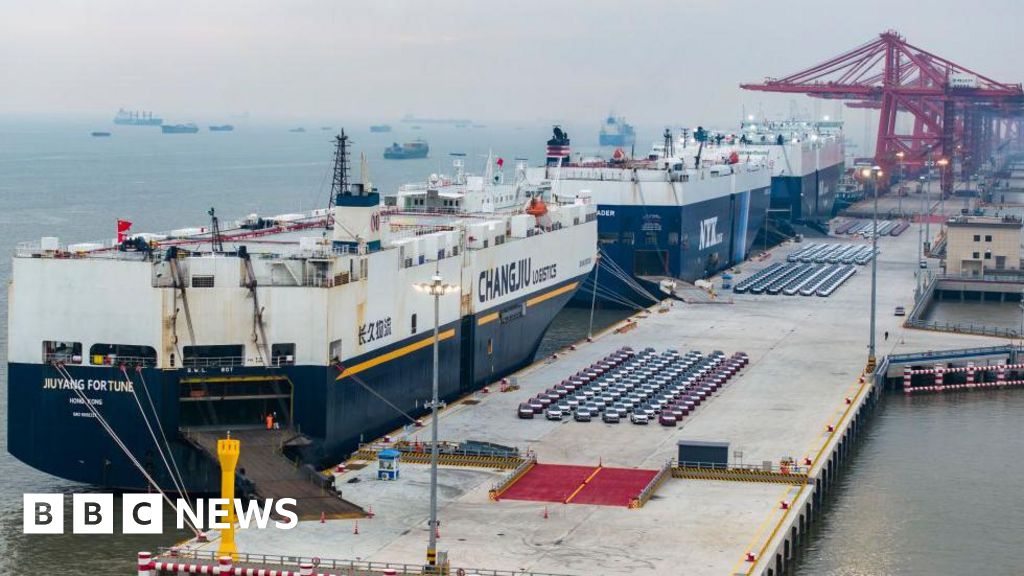
Mexico’s Senate approved a package of tariffs of up to 50% on more than 1,400 products — including metals, cars, clothing and appliances — from countries that lack free-trade agreements with Mexico, with the levies to take effect on Jan. 1, 2026; President Claudia Sheinbaum framed the move as a push to boost domestic production. The measures target goods from China and other trading partners such as Thailand, India and Indonesia, provoked a warning from Beijing and an investigation by China’s commerce ministry, and follow Chinese firms’ expanding footprint in Mexico (e.g., BYD, MG). The decision comes amid fraught talks with the US as the Biden/Trump administration has threatened steep import taxes on Mexico (including potential 50% duties on steel and aluminium and other proposed levies), raising the risk of reciprocal measures, supply-chain disruption and heightened trade tensions that could affect exporters and regional trade flows.
Mexico's Senate approved a package of tariffs of up to 50% on more than 1,400 products — including metals, cars, clothing and appliances — that will take effect on Jan. 1, 2026; the levies apply to dozens of countries without free-trade agreements, specifically naming China, Thailand, India and Indonesia. President Claudia Sheinbaum framed the measures as a tool to boost domestic production, creating an explicit policy shift toward import substitution for targeted manufactured goods.
Beijing has warned the measures will "substantially harm" trading partners and opened an investigation, while Chinese firms such as BYD and MG have been expanding in Mexico; per available signals both names carry negative sentiment (-0.6). The tariffs come amid fraught talks with the U.S., where the Trump administration has threatened steep duties on Mexican steel and aluminium (up to 50%), additional levies tied to fentanyl controls (25%), and ad hoc tariffs (a threatened 5%), elevating the risk of reciprocal measures and coordination failures between major trading partners.
Market sentiment is moderately negative (-0.5) and market-impact score is material (0.6), indicating heightened near-term sectoral risk for autos, metals and consumer-durables supply chains. The policy creates two-way outcomes: downside risk to foreign exporters and integrated manufacturers in Mexico and potential upside for Mexican domestic producers if import substitution takes hold; much depends on US-Mexico negotiations and China's trade response before the 2026 implementation date.
AI-powered research, real-time alerts, and portfolio analytics for institutional investors.
Request DemoOverall Sentiment
moderately negative
Sentiment Score
-0.50
Ticker Sentiment
