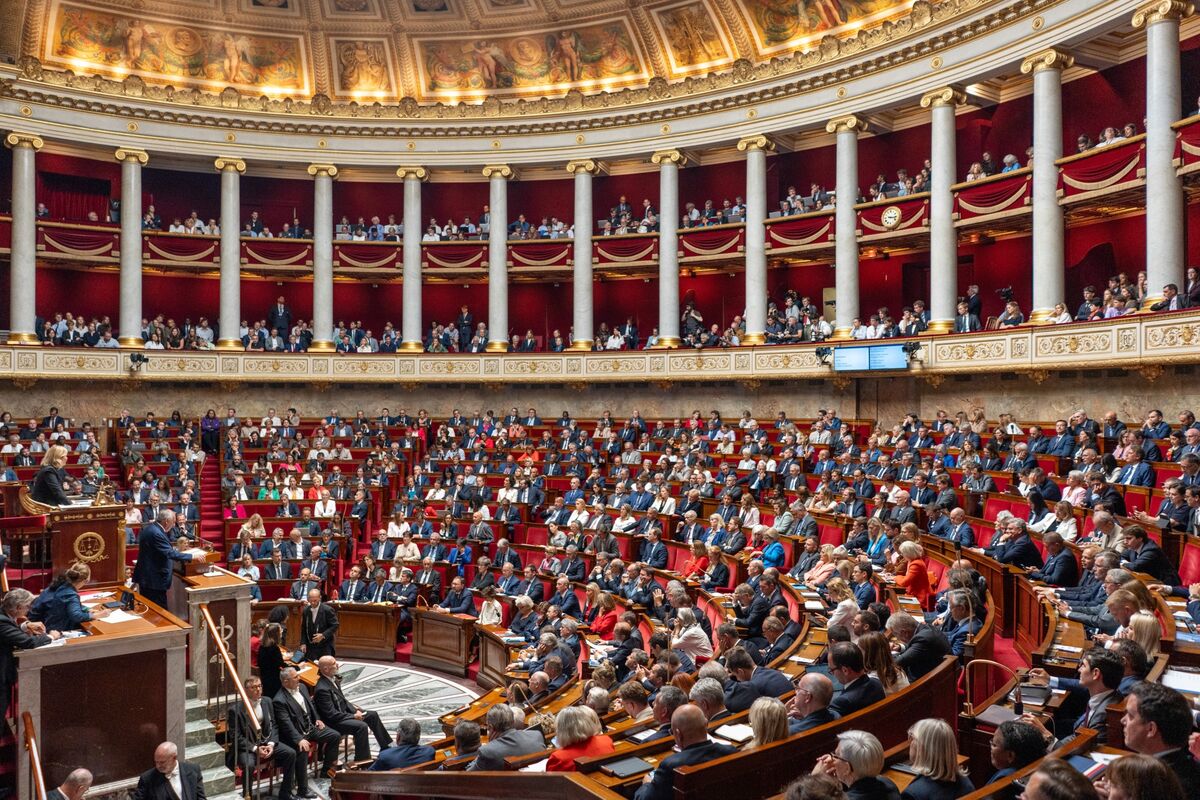
French President Emmanuel Macron is seeking his fifth prime minister in less than two years, a significant political reshuffle aimed at addressing the nation's persistent debt problems. This frequent change in leadership underscores the ongoing challenges in France's economic governance and could signal shifts in fiscal policy as the new premier assumes responsibility for tackling national debt.
The impending appointment of a fifth French prime minister in less than two years signals significant political instability and a persistent struggle within President Macron's administration to address France's sovereign debt issues. This high rate of turnover in a key executive position introduces uncertainty regarding the continuity and direction of French fiscal policy. The explicit goal of tackling national debt suggests the new premier will be under pressure to implement potentially unpopular fiscal consolidation measures. The choice of candidate will be a critical indicator of the government's future approach, whether it leans towards market-friendly reforms or a more political strategy, directly impacting the outlook for France's economic governance and sovereign credit profile.
AI-powered research, real-time alerts, and portfolio analytics for institutional investors.
Request DemoOverall Sentiment
mildly negative
Sentiment Score
-0.30
