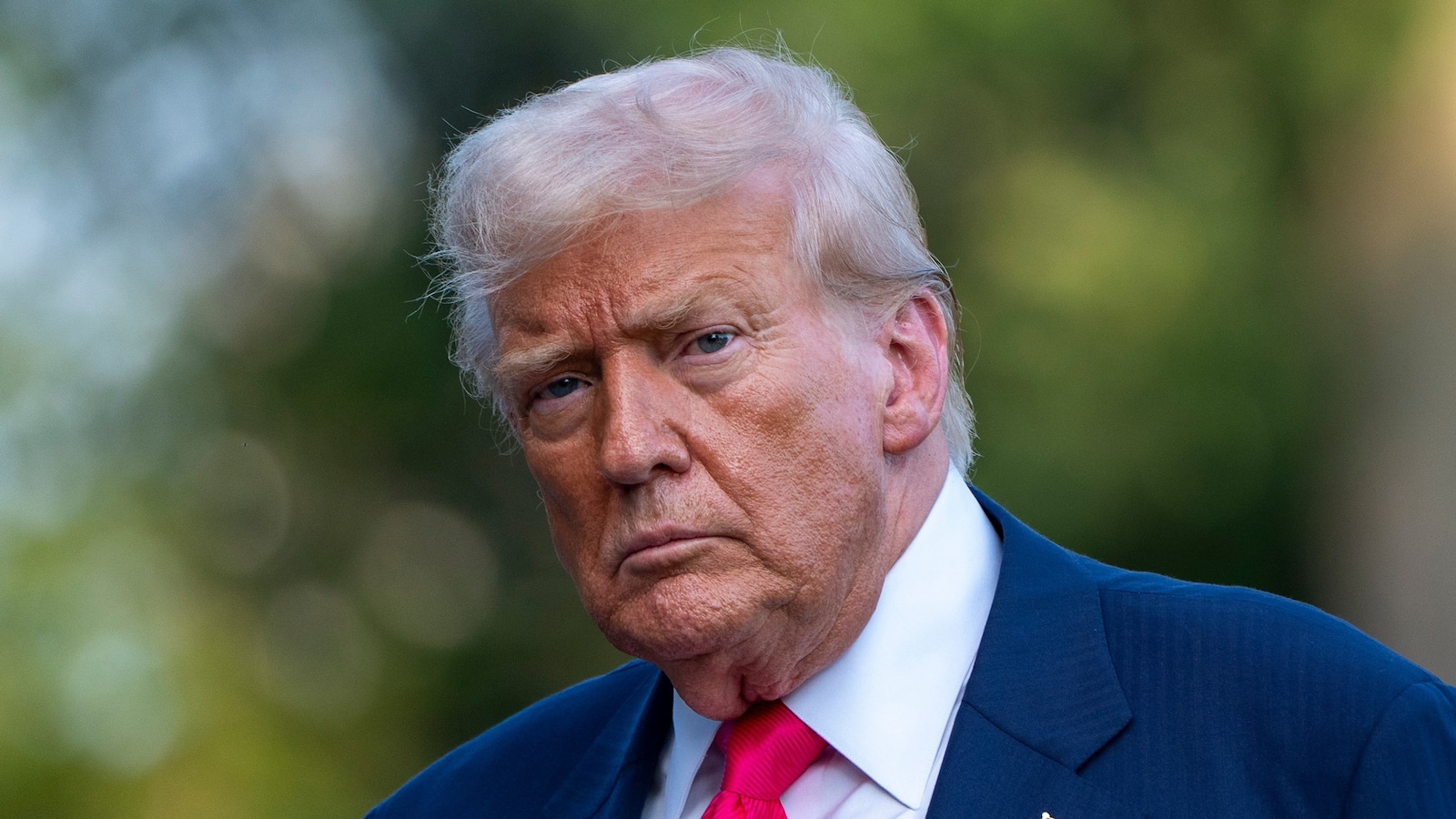
President Trump and the White House are actively preparing for next year's midterm elections, implementing a comprehensive strategy focused on candidate recruitment, fundraising, and messaging to promote their tax and spending bill. This effort includes preventing Republican retirements, influencing primaries to back electable candidates, and pursuing aggressive redistricting, such as in Texas, which could yield five new GOP seats. The coordinated push underscores a significant attempt to consolidate Republican power and shape the legislative agenda, albeit with potential counter-actions from opposing parties.
The White House is implementing a highly centralized and proactive strategy for the upcoming midterm elections, leveraging presidential influence across recruitment, fundraising, and messaging. A key pillar of this strategy is the nationwide promotion of a major tax and spending bill, with cabinet members targeting battleground states to secure voter support. The administration's direct intervention in candidate selection is notable, including efforts to recruit for New Hampshire's open Senate seat and to prevent key incumbents like Iowa's Sen. Joni Ernst from retiring. Furthermore, the strategy employs aggressive procedural tactics, such as advocating for congressional redistricting in Texas, which could potentially create five new Republican-held seats. This move, however, introduces political risk, as it may trigger countermeasures from Democratic-led states like California, potentially escalating legislative and electoral conflict. The overall effort signifies a concerted attempt to consolidate Republican power, which would have direct implications for the continuity of current fiscal, tax, and regulatory policies should it prove successful.
AI-powered research, real-time alerts, and portfolio analytics for institutional investors.
Overall Sentiment
neutral
Sentiment Score
0.00
