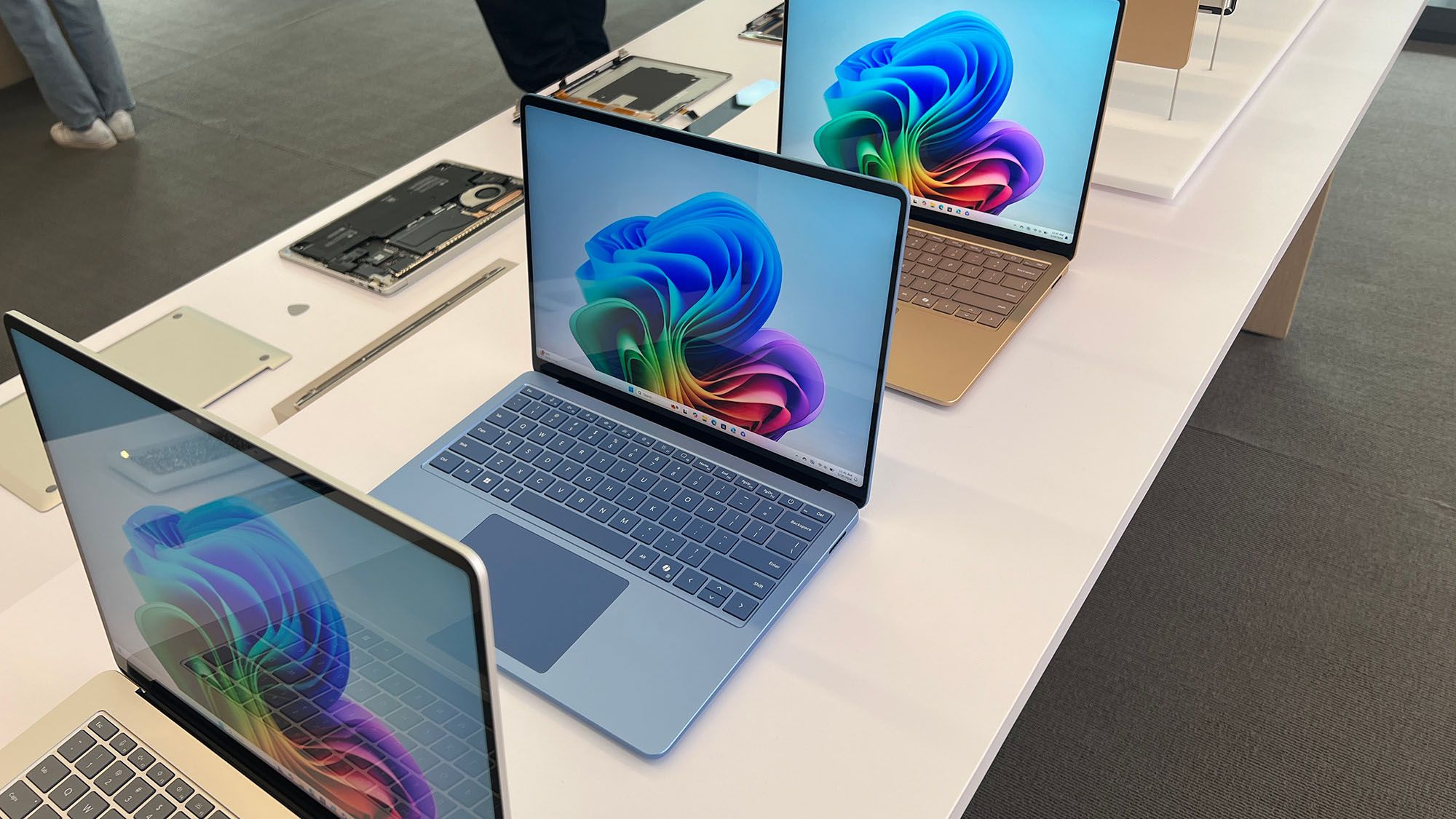
IDC warns that DRAM/NAND shortages driven by reallocations to higher‑margin AI data center memory could persist into 2027, pressuring consumer device supply and raising costs. The report outlines downside scenarios including a smartphone market contraction up to 5.2% and PC declines up to 8.9% in 2026, notes memory represents roughly 10–20% of smartphone BOM, and cites major OEMs (Lenovo, Dell, HP, Acer, Asus) expecting 15–20% price increases from H2 2026—with low‑margin Android OEMs most exposed while Apple and Samsung are relatively insulated.
Market structure shifts favor memory suppliers and hyperscalers: DRAM/NAND makers (e.g., MU, Samsung, SK Hynix) gain pricing power as capacity is reallocated to high‑margin AI/data‑center demand, while low‑margin OEMs (Dell, HPQ, Chinese Android brands) face margin squeeze and volume risk. IDC's scenarios (PC contraction up to 8.9% and smartphone down to 5.2% in 2026) imply OEMs will either raise ASPs by the cited 15–20% H2 2026 or accept feature downgrades, shifting market share toward premium insulated vendors like AAPL/Samsung.
Risks: tail scenarios include a prolonged shortage into 2027 (sustained upside for memory names) or a rapid capex‑led oversupply within 12–24 months that collapses prices (DRAM cycles historically swing >50%). Immediate (days–weeks) effects are inventory rebalancing and guided revisions; short term (months) is margin compression in OEMs; long term (quarters) is capex response and format shifts (AI PCs, longer refresh cycles). Hidden dependencies include channel inventory and hyperscaler procurement contracts that can lock supply.
Trade implications: tactically overweight semis/memory and underweight PC OEMs. Use directional and relative trades with 3–12 month horizons: long memory equities/vertical call spreads; buy protective puts or put spreads on DELL/HPQ; pair trade long AAPL vs short DELL to capture insulation differential. Set explicit triggers (see decisions) tied to DRAM spot indexes and vendor guidance.
Contrarian view: consensus may understate speed of capex response—memory firms will expand if margins persist, creating >30–50% downside in a 12–24 month mean reversion. Also higher device ASPs could accelerate cloud consumption or used‑device markets, further depressing OEM unit growth. Historical DRAM cycles (2017–19) show sharp reversals; size positions for asymmetric risk and predefined stop thresholds.
AI-powered research, real-time alerts, and portfolio analytics for institutional investors.
Request DemoOverall Sentiment
moderately negative
Sentiment Score
-0.50
Ticker Sentiment
