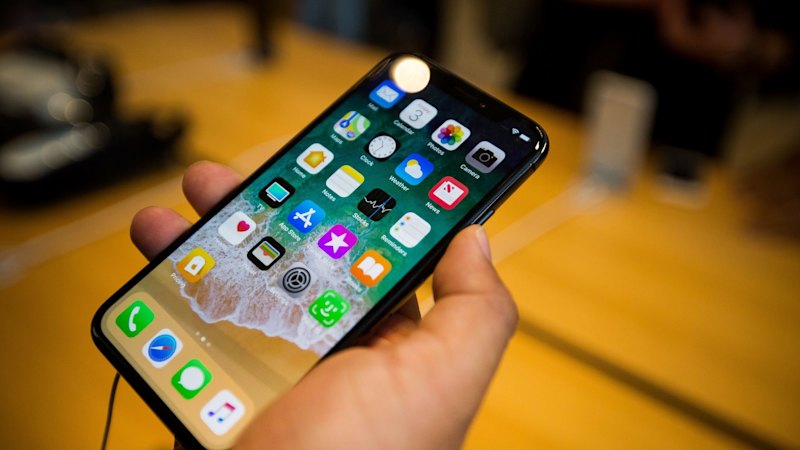
Apple issued a patch after a January 26 software update prevented iPhone 8, 8 Plus and X users from connecting to Telstra's network and temporarily blocked Triple Zero emergency calls; the remaining affected handsets received an automatic Wi‑Fi/carrier-settings fix on Thursday. Telstra is investigating, Optus and TPG reported no impact to their customers, and consumer advocates and telecom experts are intensifying calls for regulatory reform and stronger oversight of handset-network interoperability, creating modest reputational and regulatory risk for vendors and carriers.
Market structure: Short-term winners are telcos that avoided disruption (TPG/Vodafone, Optus) and emergency-communications vendors that can sell certification/monitoring services; losers are Apple (brand/reliability hit) and Telstra (service interruption perception). Competitive dynamics: marginal share shifts toward carriers perceived as more reliable could be 0.5–2% ARPU upside for incumbents over 6–12 months if consumer churn follows reputational damage. Cross-asset: expect a modest AAPL implied-volatility spike (20–40bps IV lift) and a small AUD negative blip vs USD on Australia-specific headlines; limited direct commodity or sovereign bond impact, but telco credit spreads could widen 10–25bps on headline risk for affected carriers.
Risk assessment: Tail risks include regulatory action imposing handset performance standards with penalties or recall costs (10–20% chance over 12–24 months) and class-action litigation in Australia (5–15% chance of >A$100m damages). Immediate risk (days): reputation/IV moves and consumer patch uptake; short-term (weeks–months): ACMA inquiries and potential legislative proposals; long-term (quarters–years): stricter certification regimes raising vendor compliance costs by an estimated $50–200m industry-wide. Hidden dependencies: carrier settings, eSIM provisioning, and emergency routing policies create second-order failure modes; catalysts are coronial reports, ACMA briefings, and government bills.
Trade implications: Direct plays: modest long exposure to TPG (ASX:TPG) and tactical protection on AAPL via short-dated put spreads to harvest elevated IV. Pair trade: long TPG (2% portfolio) / short AAPL (1% stock or equivalent option delta) for 3–6 months to capture relative reputational rotation. Options: buy 3-month 5% OTM AAPL puts sized to 0.5–1% portfolio and finance with 15% OTM puts (debit spread); close on IV reversion or after 90 days.
Contrarian angles: Consensus overweights near-term reputational pain for Apple but underestimates regulatory benefits to incumbents—stricter certification raises barriers to entry, favoring Apple long-term. Historical parallel: Optus outage drew headlines yet market normalized within 1–3 months; if AAPL drop >6% in 7 trading days, scale into a tactical long (up to 1–2% portfolio) as downside likely overstated. Unintended consequence: heavier certification costs could accelerate carriers outsourcing testing services (investment opportunity in niche vendors).
AI-powered research, real-time alerts, and portfolio analytics for institutional investors.
Request DemoOverall Sentiment
mildly negative
Sentiment Score
-0.30
Ticker Sentiment
