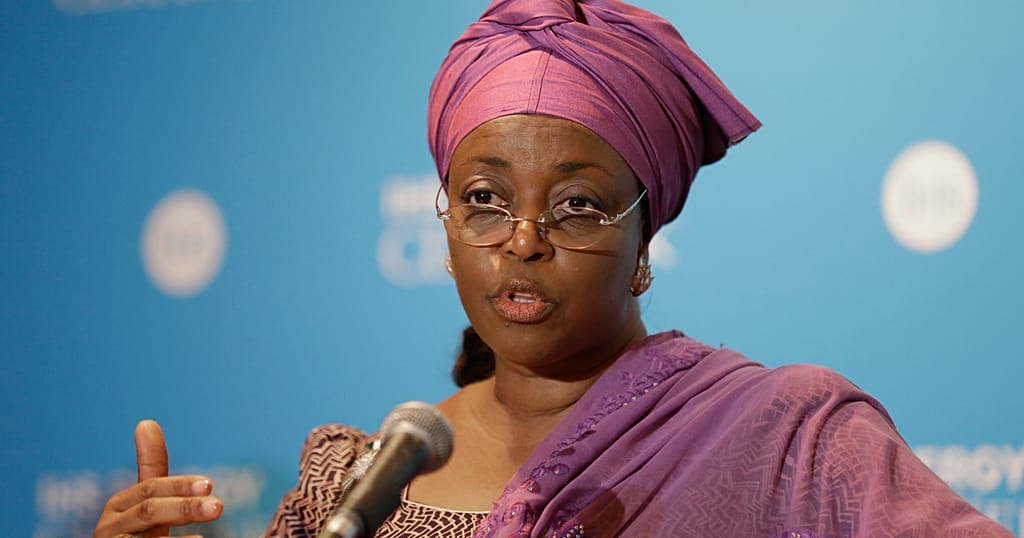
Former Nigerian oil minister Diezani Alison-Madueke, who once served as OPEC’s first female president, went on trial in London accused of accepting multiple bribes between 2011 and 2015 from firms seeking contracts with Nigeria’s state-owned petroleum company; alleged benefits include cash, chauffeur-driven cars, school fees and luxury goods. Alison-Madueke, on bail since 2015 and formally charged in 2023, faces asset seizures in Nigeria and is charged alongside two others (including her brother); all defendants deny the charges. The case raises governance and reputational risks for Nigeria’s oil sector and counterparties involved in past contract awards, though it is unlikely to be immediately market-moving for broader energy prices.
Market structure: The trial raises political/legal risk for Nigeria-centric players and increases relative pricing power for diversified majors. Majors (e.g., TTE, COP) can capture share if small independents or locally-dependent groups lose contracts or face asset freezes; a 50–200 kbpd effective disruption in Nigerian output would tighten Brent vs. fundamentals and support $3–7/bbl upside over months. Cross-asset: expect Nigerian sovereign spreads to widen 150–400bps, Naira pressure of 5–15%, and higher implied vol in energy equities and Brent options.
Risk assessment: Tail risks include conviction-triggered asset seizures or contract cancellations that remove 200–400 kbpd or trigger wider EM litigation contagion; immediate market moves are likely muted, materialization windows are weeks–months as legal milestones occur, and longer-term effects (quarters) include higher compliance/OPEX for Africa deals (1–3% of revenue). Hidden dependencies include correspondent banking ties, escrow arrangements and indemnities in offtake agreements which can amplify funding stress. Key catalysts: court rulings, Nigerian production reports, OPEC output decisions, and upcoming election/legal calendar over 3–12 months.
Trade implications: Tactical overweight global integrated oils (TTE, COP) and directional Brent exposure while underweight Nigeria sovereign credit and Africa-focused E&P equities (NGE ETF). Use 3–9 month option structures to express supply-risk view and size long oil exposure 1–3% portfolio with stop-loss rules (e.g., trim if Brent falls $8/bbl from entry). Pair trades (long majors vs short Nigeria ETF) hedge beta while capturing relative governance premium.
Contrarian angles: Consensus may over-penalize majors — historically (e.g., Petrobras scandal) majors ultimately benefited from smaller players’ retrenchment and asset consolidation. The market may be underpricing the chance that increased scrutiny accelerates consolidation and raises barriers for new entrants, benefiting cash-rich integrators. Unintended consequence: aggressive legal action could spur resource-nationalist responses, so size positions with political‑risk hedges.
AI-powered research, real-time alerts, and portfolio analytics for institutional investors.
Request DemoOverall Sentiment
moderately negative
Sentiment Score
-0.30
Ticker Sentiment
