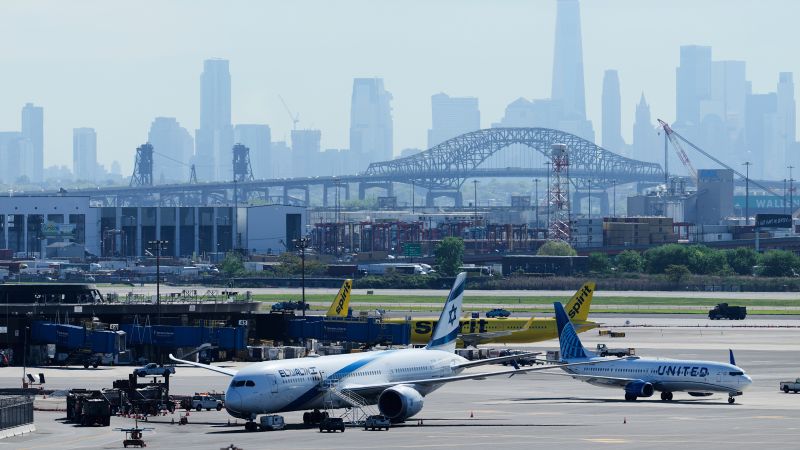
A CNN review of NASA Aviation Safety Reporting System data reveals widespread and recurring equipment failures in the U.S. air traffic control system, including radar and radio outages, leading to near-miss incidents and increased safety risks. The FAA acknowledges the system is outdated and faces frequent equipment issues, publishing advisories almost daily regarding radar, radio, or frequency malfunctions, while experts warn that these failures increase controller workload, stress, and the potential for accidents, despite FAA contingency plans. Transportation Secretary Sean Duffy has pledged a modernization of the air traffic control system by 2028, but experts worry about potential incidents in the interim.
The U.S. air traffic control (ATC) system is grappling with systemic issues stemming from aging infrastructure, as evidenced by a CNN review of over 40 NASA Aviation Safety Reporting System reports since 2022 detailing widespread radar and radio failures. These malfunctions have led to critical safety incidents, including a near mid-air collision in Tampa in 2023 and communication loss during an emergency landing in Indiana in 2022. The Federal Aviation Administration (FAA) itself acknowledges the system's outdated nature, issuing advisories almost daily for equipment outages, which, while often managed by backup systems, contribute to increased controller workload, stress, and the potential for catastrophic failures. Experts highlight that even backup systems are decades old, with communication technology often dating back to the early 1990s, and are ill-equipped for current air traffic capacity. While the Department of Transportation has pledged a comprehensive modernization by 2028, this initiative is contingent on substantial Congressional funding, leaving a period of vulnerability where ongoing outages, like recent ones in Newark and Denver, continue to pose significant risks to aviation safety. The recurrence of these issues, despite voluntary reporting mechanisms, suggests persistent challenges in addressing known deficiencies, with controllers repeatedly flagging dangers at specific facilities like Miami and Albuquerque.
AI-powered research, real-time alerts, and portfolio analytics for institutional investors.
Overall Sentiment
Negative
Sentiment Score
-0.70
