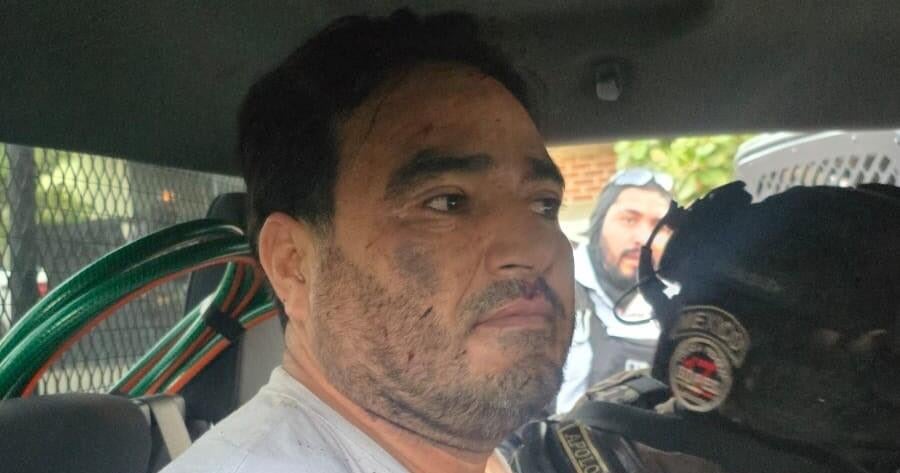
Mexican authorities arrested César Alejandro Sepúlveda Arellano, aka “El Botox,” leader of the White Trojans and alleged ally of Los Viagras/Jalisco New Generation Cartel, on 11 arrest orders for extortion, homicide and attacks with explosives, including the October killing of lime growers’ leader Bernardo Bravo. Sepúlveda Arellano was sanctioned by the U.S. Treasury last August; his arrest is being framed by state officials as a major blow to extortion in Michoacán—Mexico’s largest lime and avocado producer—after more than half of lime packing warehouses temporarily closed amid cartel demands. The arrests and prior homicides prompted federal troop deployments and underline ongoing security and supply-chain risks for regional agricultural commodities.
Market structure: Immediate winners are diversified global produce suppliers (e.g., Fresh Del Monte/FDP, Mission Produce/AVO) and large U.S. retailers (WMT, COST) that can source around cartel-affected Mexican supply; direct losers are Mexico-focused packers/exporters (Calavo/CVGW), local growers and logistics providers in Michoacán. Cartel extortion acts as an output tax that compresses margins for small suppliers and can remove 20–50% of regional packing capacity in peak weeks (recall >50% closures Aug 2024), supporting higher spot prices but reducing traded volumes.
Risk assessment: Tail risk includes a renewed wave of violence or broader cartel retaliation that shutters >30% of exports for 2–8 weeks, driving MXN weakness (>5% move) and a 50–150bp widening in Mexican sovereign CDS. Hidden dependencies: harvest seasonality concentrates impact—disruptions during key packing weeks have outsized price elasticity; catalysts that could accelerate outcomes are further high‑profile assassinations, additional U.S. sanctions, or large troop deployments.
Trade implications: Near-term FX and equity volatility should rise; prefer short-dated MXN protection (1–3 month) and short EWW exposure via puts/pairs. For corporate names, express relative fitness: long diversified producers (FDP, AVO) vs short Mexico-exposed packers (CVGW). Size trades modestly (1–3% portfolio each) and use options to limit downside while capturing asymmetric upside from supply shocks.
Contrarian angle: The arrest could be a near-term de-risking event that restores volumes within 4–12 weeks if enforcement holds—an overdone risk-off could create a buying opportunity in Mexican ag exporters and EWW on a 10–20% pullback. Watch conviction signals: sustained decline in packing closures below 10% and MXN stabilizing within 2% of pre-event levels before adding aggressive long exposure.
AI-powered research, real-time alerts, and portfolio analytics for institutional investors.
Request DemoOverall Sentiment
moderately negative
Sentiment Score
-0.40
