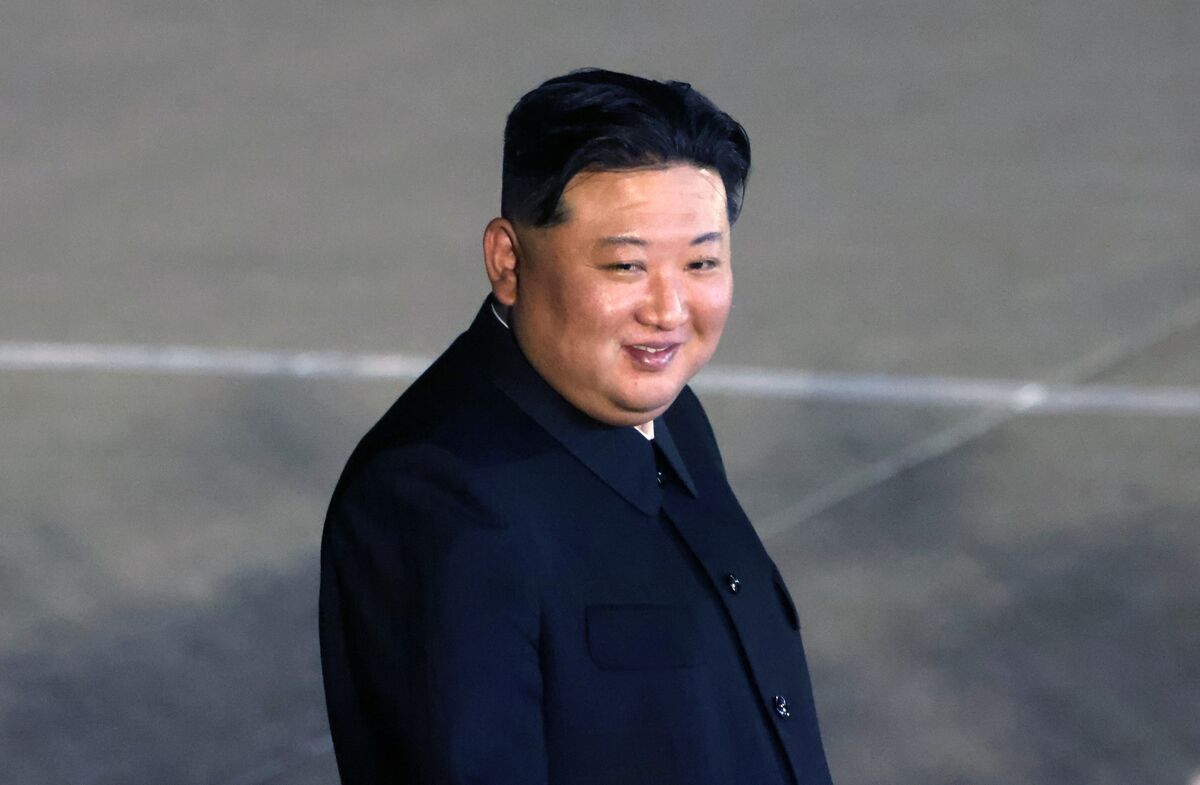
North Korean leader Kim Jong Un will make a rare visit to China on September 3rd to attend the military parade commemorating the 80th anniversary of the end of World War, at the invitation of President Xi Jinping. This high-profile appearance, which will place him alongside other global leaders including Russian President Vladimir Putin, underscores strengthening diplomatic ties between Pyongyang and Beijing, signaling potential shifts in regional geopolitical alignments.
North Korean leader Kim Jong Un's confirmed attendance at China's upcoming military parade on September 3rd, at the direct invitation of President Xi Jinping, is a significant geopolitical development. This rare overseas visit places him alongside other world leaders, notably Russian President Vladimir Putin, signaling a potential strengthening of diplomatic and strategic alignments between Beijing, Pyongyang, and Moscow. The event itself, confirmed by both Chinese and North Korean state media, is primarily symbolic. However, the convergence of these specific leaders at a high-profile military commemoration should be viewed as a notable indicator of evolving regional power dynamics. Despite the geopolitical weight, the associated data signals a neutral sentiment and a zero market impact score, suggesting that financial markets are not expected to react directly to the announcement of the visit itself.
AI-powered research, real-time alerts, and portfolio analytics for institutional investors.
Request DemoOverall Sentiment
neutral
Sentiment Score
0.00
