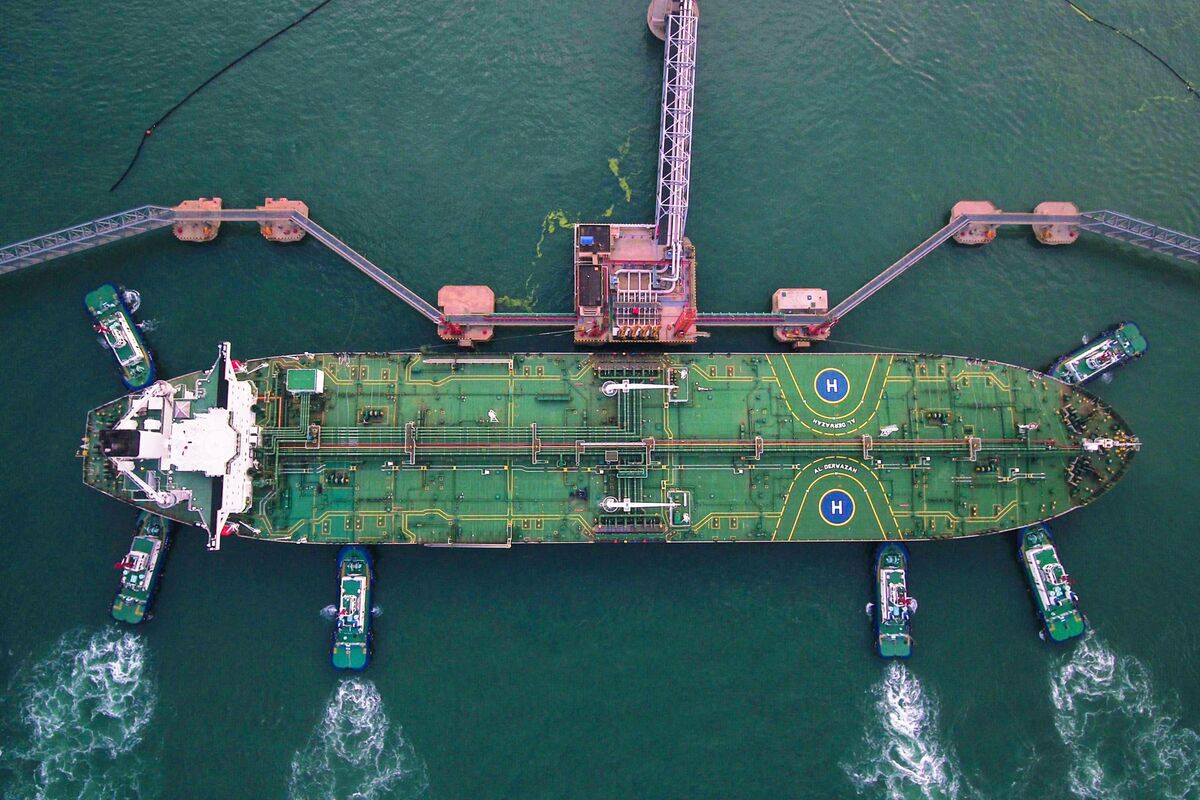
China's Qingdao Port, responsible for a significant portion of the nation's crude intake, will implement new restrictions from November 1, banning tankers over 31 years old, those with altered IMO identities, or invalid certifications. This measure is widely seen as targeting the 'shadow fleet' involved in transporting sanctioned oil, potentially impacting global crude flows and the market for oil from sensitive suppliers.
New restrictions at China's Qingdao port, a crucial hub handling approximately one-sixth of the nation's crude intake, represent a significant regulatory development for the global oil market. Effective November 1, the port will ban tankers aged 31 years or older, along with vessels that have altered IMO identities or hold invalid certifications. This action is widely interpreted as a targeted measure against the 'shadow fleet' used to transport sanctioned oil from suppliers such as Iran. While not an outright ban on specific cargoes, the operational hurdles will likely disrupt these flows, potentially tightening the physical crude market by reducing the volume of discounted oil available to Chinese refiners. The move signals a potential shift in China's enforcement posture regarding sanctioned trade, introducing a new layer of logistical risk and compliance cost for participants in this opaque segment of the energy market.
AI-powered research, real-time alerts, and portfolio analytics for institutional investors.
Request DemoOverall Sentiment
mildly negative
Sentiment Score
-0.35
