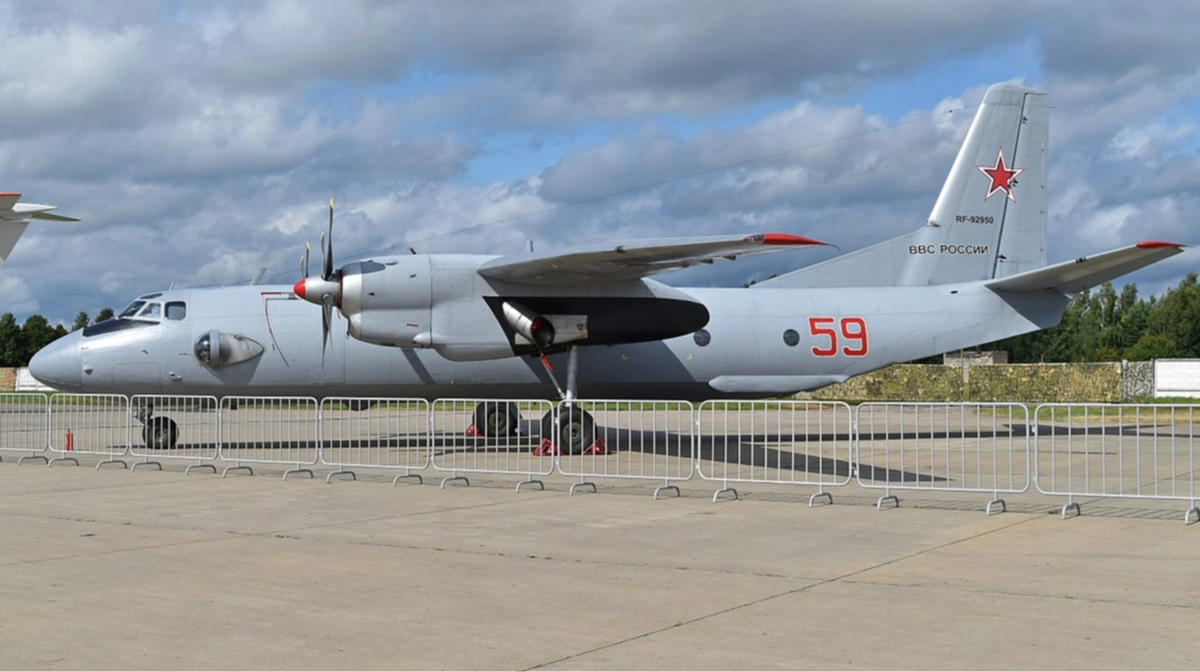
29 people were killed when a Russian An-26 transport crashed in occupied Crimea on April 1; a Su-30 subsequently crashed on April 3 with the crew ejecting safely. The Ukrainian Navy says it cannot confirm involvement in either incident and characterizes the An-26 loss and the Su-30 crash as most likely accidents, while not ruling out interference from Russian air-defence or electronic warfare (GPS jamming) and operational factors such as equipment wear and crew fatigue due to intensive flight operations.
These incidents amplify a second-order theme: the operational environment (EW, GPS denial, high sortie rates, and fractured logistics) is shifting demand away from pure weapons deliveries toward resilience — avionics anti-jam kits, inertial navigation, depot-level MRO, and rapid-turn spare distribution. Expect procurement cycles for mitigation tech and spare pools to accelerate inside 3–12 months as militaries and contractors prioritize sortie reliability over marginal platform upgrades.
Winners will not just be the large primes; niche avionics and aftermarket specialists with existing certs and fast supply chains can capture outsized incremental revenue. Small/mid caps that already sell line-replaceable units (LRUs), anti-jam inertial units, or provide fleet-level maintenance can grow revenues 10–30% faster than primes in the near term because they are easier to integrate into urgent field fixes.
Key catalysts to watch: independent forensics or NATO-validated attribution (days–weeks) that point to electronic interference will spike demand for EW/anti-jam solutions and drive urgent contract re-prioritization within 1–3 quarters; conversely, clear evidence of benign mechanical failure would mute that rerating and shift spend back to MRO and pilot training. Tail risks include escalation prompting air operations pauses (weeks) or fresh sanctions fracturing supply of critical Western components (months), either of which materially changes the investable winners.
Contrarian take: the market’s defense rally tends to lump all primes together, but the real alpha will come from targeted suppliers of anti-jam/avionics and fast-turn MRO providers — trade selection should favor execution speed and certification breadth over headline-scale backlog.
AI-powered research, real-time alerts, and portfolio analytics for institutional investors.
Request DemoOverall Sentiment
neutral
Sentiment Score
0.00
