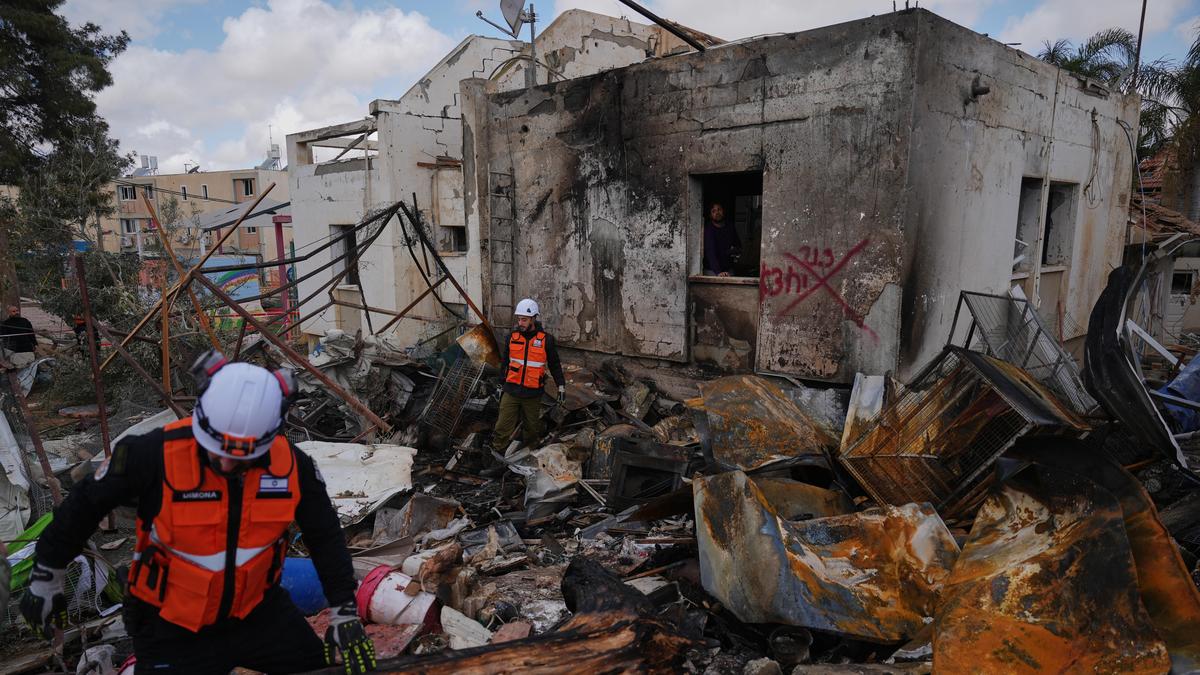
48-hour ultimatum: President Trump has given Iran 48 hours to reopen the Strait of Hormuz or face US strikes on power plants; the strait handles roughly 20% of global oil flows. Israel signals a potential ground campaign into Lebanon and destroyed a key bridge, raising the probability of wider regional escalation; fuel prices have already risen and markets should prepare for heightened oil-price volatility and risk-off flows across equities and shipping/insurance sectors.
Market mechanics are now pricing a short, high-convexity supply shock: incremental dislocations in Gulf transit routeing and insurance create outsized moves in freight and crude spreads even for modest physical shortfalls. A 0.5–1.0 mb/d effective reroute or insurance-driven layup historically translates to $6–12/bbl of spot Brent volatility in the first 7–30 days, amplifying backwardation and refinery crack compression for complex converters that depend on heavy sour barrels.
Winners on a near-term basis are high-margin producers with flexible output and short-cycle capex — US shale and high-grading operators capture most incremental margin — plus assets that monetize geopolitical risk (gold, long-dated options, selective defense names). Losers include refiners exposed to heavy Gulf crude differentials, integrated refiners without hedges, spot LNG buyers on short contracts, and container lines facing longer Africa-around routings and doubled insurance premiums; these second-order cost increases will feed into industrial input price pass-through over 1–3 months.
Tail risks center on kinetic escalation to maritime interdiction or cyber attacks on power/infrastructure, which would convert a weeks-long premium into a months-long supply reallocation and structural trade-flow shift. The fastest reversal is coordinated diplomatic de-escalation plus SPR and commercial crude releases (days–weeks); sustained normalization requires visible confidence in Gulf shipping security and insurance repricing (months).
Strategically, persistent episodes materially raise the floor on energy security spending and onshore capital allocation, accelerating investment into US storage, long-term chartering, and strategic LNG/regional refining capacity — secular winners that compound over 12–36 months if risk persists.
AI-powered research, real-time alerts, and portfolio analytics for institutional investors.
Request DemoOverall Sentiment
strongly negative
Sentiment Score
-0.85
