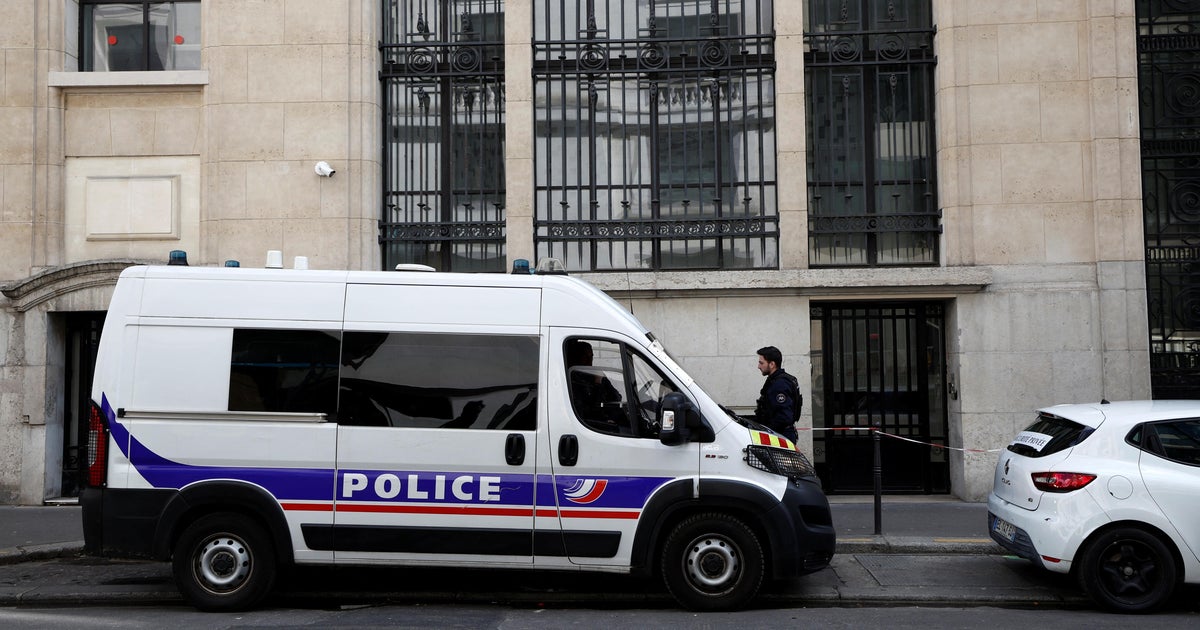
Three suspects have been detained after an attempted placement of a homemade explosive device outside Bank of America’s Paris headquarters near the Champs-Élysées; two additional arrests were made Saturday night following an initial arrest early Saturday. The arrested suspect said he was recruited via Snapchat and offered roughly $692 to carry out the attack and claimed to be a minor from Senegal; authorities are verifying identity. France’s National Anti-Terrorist Prosecutor has opened an investigation on multiple terrorism-related charges and Paris police and domestic intelligence are also investigating.
A high-visibility security incident in a major financial center usually translates into immediate operational cost pressure rather than balance-sheet losses: expect a measurable step-up in Opex (security, crisis communications, legal retainers) that can persist for quarters as insurers reprice and banks invest in hardening. For a large retail-heavy bank this can equate to a low-single-digit percent drag on quarterly EPS if the repricing and capex are sustained across multiple sites; market reaction will be front-loaded in days–weeks while the underlying hit plays out over 3–12 months.
Competitive dynamics favor banks with higher digital share and less emphasis on flagship branch footprints, and also benefit vendors that provide enterprise physical/security tech and managed services; this can accelerate procurement cycles for perimeter defenses and monitoring software, shifting spend from one-off physical fixes to recurring SaaS/security-Opex. Travel- and tourism-linked revenue streams in exposed cities can see a 1–3 month demand hit, creating near-term volatility in consumer card volumes and municipal cash flows that banks servicing local SMEs will feel more acutely.
Tail risks include successful follow-on attacks, a material adverse litigation/insurance shock, or rapid regulatory tightening on branch operations — each could convert an Opex problem into a capital one and re-rate multiples for names perceived as exposed. Watch proximate catalysts: insurer loss-ratio commentary, branch closure announcements, differential deposit flow trends to digital channels, and any government mandates on bank site security; reversals would come from visible mitigation spending tapering and normalization of tourist footfall over 2–3 months.
AI-powered research, real-time alerts, and portfolio analytics for institutional investors.
Request DemoOverall Sentiment
strongly negative
Sentiment Score
-0.65
Ticker Sentiment
