
War with Iran: US State Department prepares evacuation flights as cancellations strand travelers
Source: 6abc Philadelphia
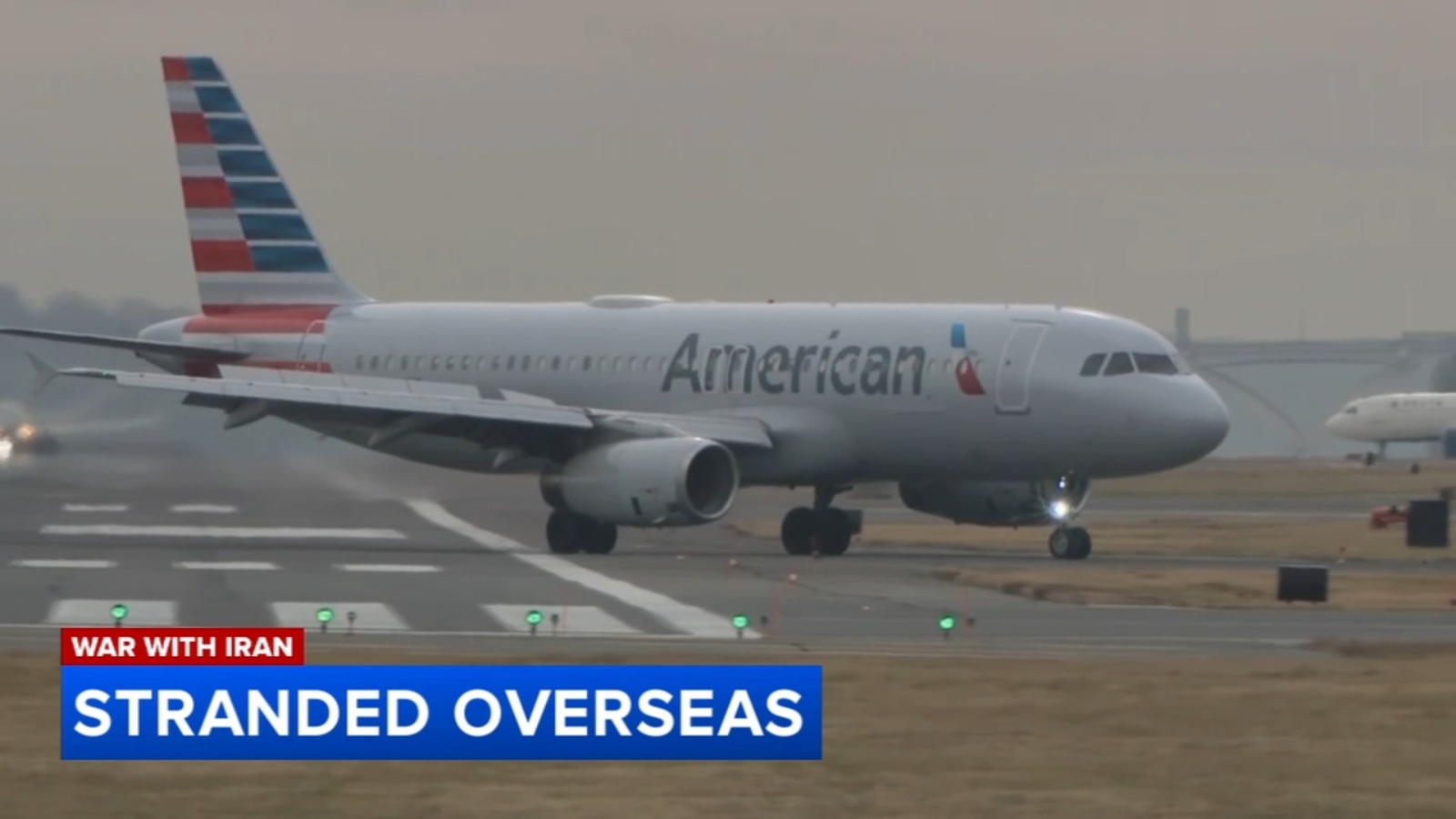
The U.S. State Department is coordinating military, charter and expanded commercial flights to evacuate Americans amid Middle East turmoil, saying roughly 9,000 have departed and about 1,500 are still requesting assistance. Widespread flight cancellations have disrupted travel well beyond the region — stranded passengers in Asia reported cancelled Doha routings — and airlines such as American have suspended daily Doha service (planned resumption March 10 outbound, March 12 returns). The situation raises near-term operational and revenue pressure for carriers and underscores demand for contingency measures like travel insurance.
Analysis
Market structure: Airlines with Middle East routes (e.g., AAL exposure via Doha) are near-term losers from route cancellations, driving ticket rebooking costs, charter demand and higher unit costs for the next 2–6 weeks; winners include cargo/freight rerouters, charter operators and defense/airlift firms that can capture ad hoc demand. Pricing power shifts toward carriers and brokers able to deploy larger aircraft and premium-priced charters — expect ticket yields on affected corridors to rise 10–30% on reopenings over the next month if capacity stays constrained.
Risk assessment: Tail risks include rapid escalation of regional conflict that pushes Brent >$95–100/bbl (high financial stress on discretionary demand) or broad airline groundings triggering >5% hit to US airline quarterly revenue; conversely a rapid diplomatic de‑escalation within 2–4 weeks would snap back capacity and punish short positions. Hidden dependencies: travel insurance claims, aircraft repositioning costs, and slot/crew constraints can prolong disruptions beyond initial flight resumption dates; watch carrier-specific liquidity and covenant windows through the next 90 days.
Trade implications: Tactical positions: short AAL via limited-risk option structures to capture near-term downside from canceled routes and higher costs; hedge macro risk with 2‑year Treasury futures to benefit from safe-haven flows in the next 0–30 days. Rotate 1–3% into defense names (LMT/RTX) and short-duration energy options (buy Brent 1–3 month call spreads) if Brent breaches $85, which would signal sustained supply anxiety.
Contrarian angles: Consensus may over-penalize legacy carriers with limited Middle East exposure — AAL’s Doha cancellations are concentrated routes, not systemic demand destruction, so post-event mean reversion is likely within 4–8 weeks. If cancellations normalize on published resume dates, buybacks or capacity redeployments will drive outsized stock rebounds; consider staged long exposure after confirmation of resumed occupancy >80% on reopened flights.
AllMind Terminal
AI-powered research, real-time alerts, and portfolio analytics for institutional investors.
Request TrialMarket Sentiment
Overall Sentiment
moderately negative
Sentiment Score
-0.35
Ticker Sentiment
Key Decisions for Investors
- Initiate a 1.5–2.5% portfolio short using AAL 1‑month put spread (buy 30‑delta, sell 10‑delta) to cap premium, targeting a 20–40% return if AAL underperforms over next 2–6 weeks; exit or roll if AAL implied volatility falls >25% or airline issues liquidity guidance.
- Allocate 1–3% to defense contractors (split LMT and RTX) as a 3–12 month trade; add on any pullback >5% or if Gulf tensions escalate and Brent >$85/bbl.
- Buy Brent 1–3 month call spread (e.g., $80–$95 strikes) sized to 1% portfolio if Brent breaks above $85 on 24‑hour close; take profits if spread doubles or Brent >$100.
- Deploy a 0.5–1% hedge in US 2‑year Treasury futures or ETF (e.g., SHV/TLT depending on tenor) for 0–30 days to protect against risk‑off flows; unwind once S&P VIX reverts below 20 and Gulf travel advisories lift.
- Reduce aggregated travel & leisure exposure by 2–4% (airlines, hotels, travel agencies) and re‑enter in staged tranches once route reopenings show >80% load factors for two consecutive weeks or carriers confirm capacity redeployments.
More News
- Iran says won’t allow US warships to get close as Trump ponders new attacks
- American embassies tighten security as Iran threat warnings intensify ahead of U.S. midterm elections
- France’s latest debt warning describes a country where governance is breaking down — and even doing too little, too late is barely possible
- Why popular airplanes are getting scrapped years early
- Oil Markets Brace for Renewed Iran Fighting
- Sudan’s soaring fuel prices make getting by harder for workers