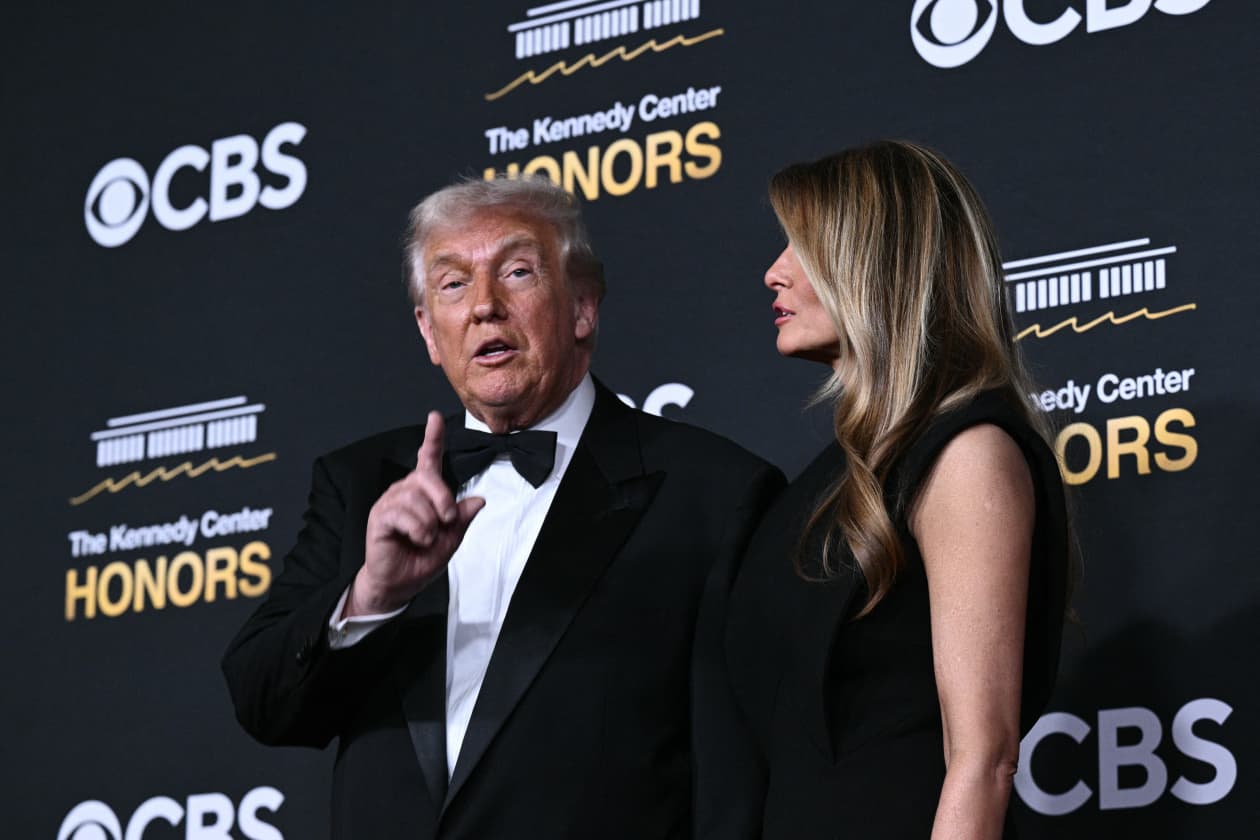
President Donald Trump flagged potential antitrust concerns over Netflix’s proposed $72 billion acquisition of Warner Bros. Discovery, warning that a combination of the largest and fourth-largest U.S. streaming services “could be a problem.” His comments raise the prospect of heightened regulatory scrutiny that could complicate the transaction’s approval process, timing and valuation, creating downside risk for Netflix and Warner Bros. Discovery shares and potentially prompting investors to reassess deal-related assumptions.
Market structure: A combined Netflix (NFLX) + Warner Bros. Discovery (WBD) would materially increase content ownership concentration — immediate beneficiaries are scale players (NFLX if deal passes) and premium IP owners; losers are smaller streamers (PEOPEL: e.g., smaller AVOD/FAST players) facing higher content procurement costs. Pricing power for the merged entity would rise modestly (voice estimate: 3–7% domestic ARPU upside over 12–24 months if no regulatory remedies), while short-term subscriber churn risk increases as consumers react to bundle/price changes. Credit markets will reprice WBD/NFLX debt risk on funding structure; expect IV spikes in options and modest spread widening on WBD bonds if antitrust headlines persist.
Risk assessment: Tail risks include a DOJ/FTC injunction blocking the deal (high-impact, low-probability ~20–35% given political attention) or forced divestitures that erode synergies (>40% haircut to stated $X synergies). Immediate (days): headline-driven IV and share swings; short-term (1–3 months): HSR/DOJ review and state AG signals; long-term (6–24 months): integration execution and content amortization. Hidden dependencies: international regulators (EU/UK) and advertising market dynamics could veto or force remedies, and financing terms (debt covenants) may flip if stock moves >20%.
Trade implications: Tactical direct trade is asymmetric downside on NFLX via 3-month put spreads to capture headline risk; complementary long exposure to defensive, diversified media (DIS) and tech bundlers (AMZN) as relative winners. Use pair trades (short NFLX / long DIS) sized to neutralize beta; buy 3–6 month WBD credit or buy protected WBD equity if deal pricing implies breakup value >15% lower than public price. Time entry into options within the next 2–6 weeks ahead of expected HSR action; trim pure-play streaming exposure by 20–30% over 30 days.
Contrarian angles: The market may overprice political commentary — recall AT&T/TimeWarner (2018–19) where legal process allowed deal completion despite rhetoric, so probability of ultimate approval could be meaningfully > current implied odds. If deal is blocked, look for opportunistic M&A (DIS/CMCSA/AMZN) to acquire WBD IP — that path would lift WBD equity by potentially 25–40% within 6–12 months. Unintended consequence: a blocked deal could force Netflix into higher content licensing spend, compressing margins — a multi-quarter earnings risk underappreciated by consensus.
AI-powered research, real-time alerts, and portfolio analytics for institutional investors.
Request DemoOverall Sentiment
mildly negative
Sentiment Score
-0.25
Ticker Sentiment
