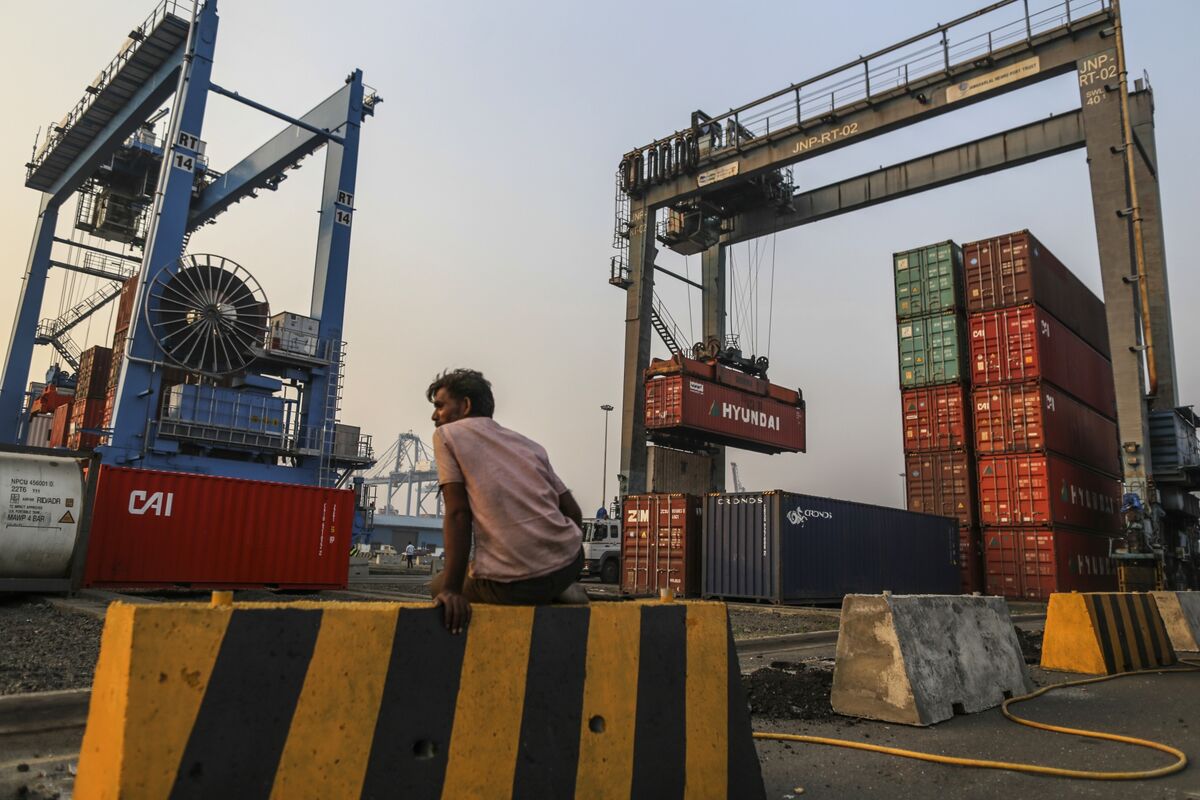
President Trump has announced the imposition of 25% tariffs on goods from Japan and South Korea, effective August 1, a move consistent with prior threats and a significant disappointment for negotiators who sought duty reductions. This decision, citing a lack of "reciprocal" trade, immediately triggered a decline in US stocks to session lows, a tumble in the won, and a slip in the yen, as Trump also warned of a US response to any retaliation.
The Trump administration has formalized its trade policy stance towards Japan and South Korea by imposing 25% tariffs on goods from both nations, effective August 1. This action follows a 90-day negotiation period and aligns with previous threats, representing a significant setback for Japanese and South Korean diplomats who had sought to mitigate or eliminate these duties. The administration's justification, as stated by President Trump, is the lack of reciprocity in the trade relationships. The market's reaction was immediate and negative, with US stocks declining to session lows, the South Korean won tumbling, and the Japanese yen slipping, reflecting investor concerns over escalating trade tensions and potential disruptions to global supply chains. The explicit warning that any retaliation will be met with a US response introduces further uncertainty and heightens the risk of a broader trade conflict.
AI-powered research, real-time alerts, and portfolio analytics for institutional investors.
Request DemoOverall Sentiment
strongly negative
Sentiment Score
-0.70
