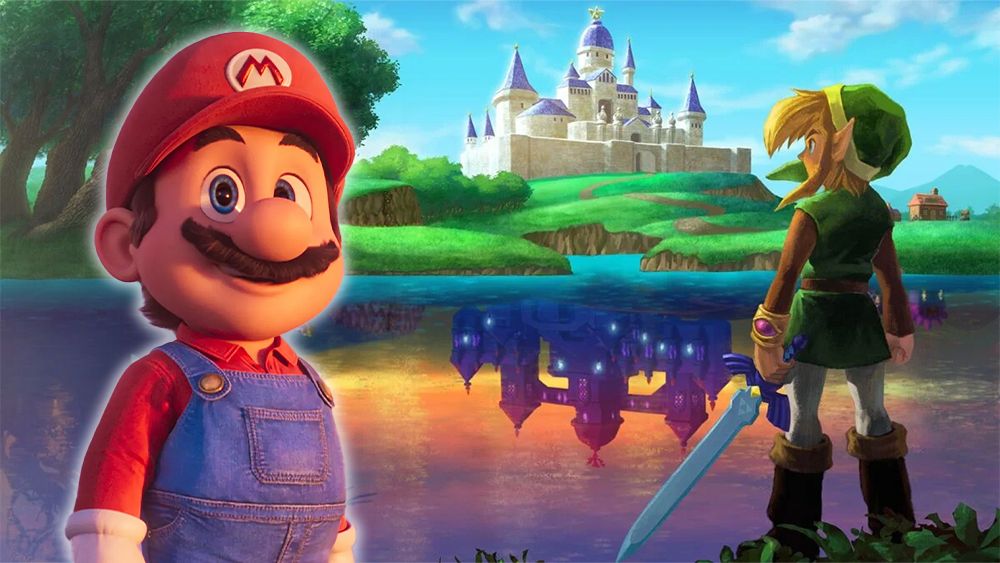
Google has opened access to Project Genie — a prototype web app powered by Genie 3, Nano Banana Pro and Gemini — to US Google AI Ultra subscribers (Google AI Ultra advertised at $124.99/month on a three-month package). The tool generates explorable, 60-second interactive worlds at 720p/24fps from text and image prompts and has produced outputs resembling major game IPs, prompting early restrictions and raising potential copyright and legal risks; its current technical and content limits suggest minimal near-term commercial disruption to game studios, though regulatory and IP disputes could become a material consideration for Big Tech and media partners.
Market structure: Project Genie nudges value toward AI infra, tooling and platform owners (Google/GOOGL, NVDA for GPUs, cloud infra beneficiaries) while creating headline risk for game studios and IP holders. Pricing power shifts incrementally to platform owners who can monetize subscription tiers (Google AI Ultra = $124.99/mo) and enterprise licenses; indie game devs may benefit from lower content-creation costs but not from core game mechanics or multiplayer network effects.
Risk assessment: Tail risks include high‑profile IP litigation (Nintendo/Take‑Two) or regulator action that could force product rollbacks or fines — assign a near‑term 20–35% probability of a litigation/cease‑and‑desist wave that causes a 5–15% knee‑jerk move in GOOGL/GOOG within 30–90 days. Operational risks (model safety, hallucinations) could slow enterprise deals; longer term (12–24 months) litigation could force licensing frameworks that actually create new revenue lines.
Trade implications: Favor long exposure to AI infra (NVDA) and platform owners (GOOGL), sized modestly and hedged against litigation noise using short‑dated puts or call spreads. Consider event‑driven long exposure to DIS using OTM call spreads to capture a licensing upside if Google/Disney negotiate (catalyst window 30–90 days). Short selectively into stretched valuations among mid‑cap game publishers (TTWO/ATVI) if social/legal headlines persist.
Contrarian angle: The market overstresses immediate creative replacement — Project Genie currently produces exploratory worlds, not finished games with retention hooks; history (OpenAI Sora 2 → Disney deal) suggests legal pressure often leads to licensing partnerships, not destruction of incumbents. Mispricing opportunity: tech infra beneficiaries are underappreciated if licensing becomes standard; avoid reflexive large shorts of entrenched IP owners.
AI-powered research, real-time alerts, and portfolio analytics for institutional investors.
Request DemoOverall Sentiment
moderately negative
Sentiment Score
-0.35
Ticker Sentiment
