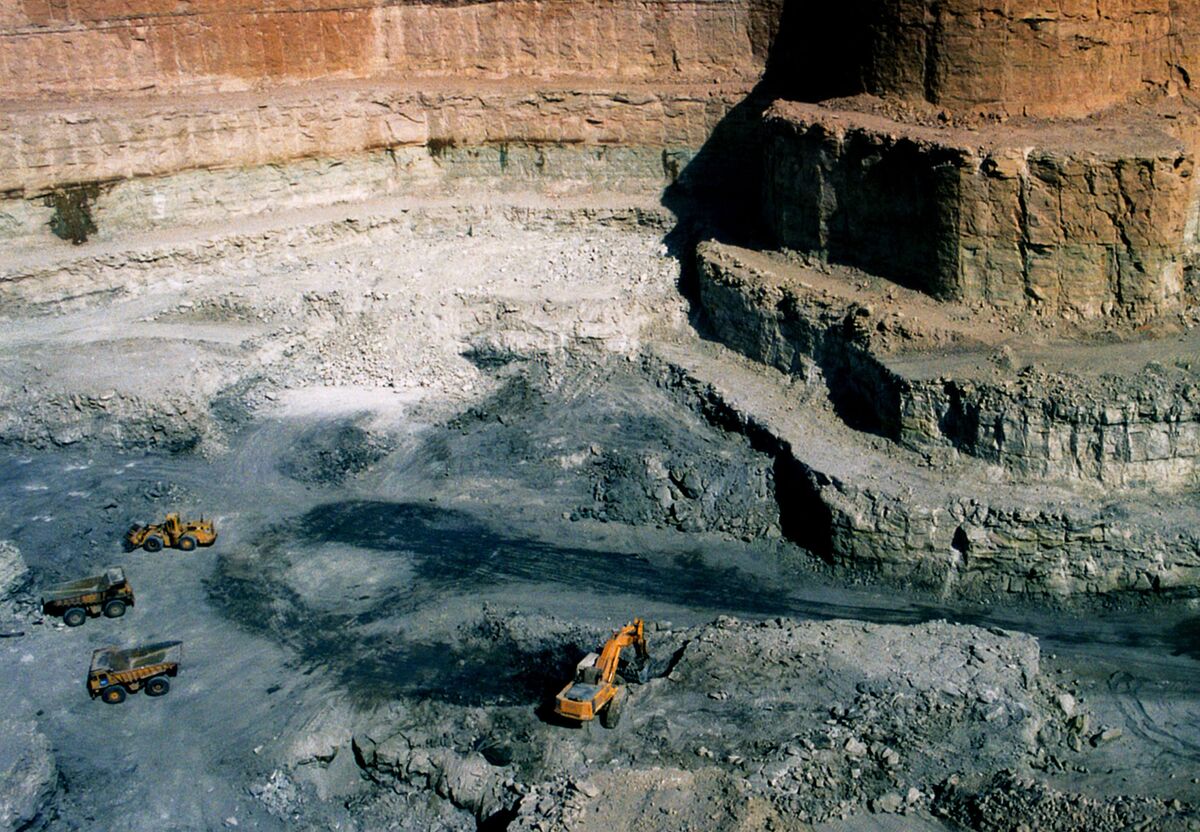
The World Bank's International Centre for Settlement of Investment Disputes (ICSID) has issued a ruling barring Niger from selling or transferring uranium from the Somaïr mine, which its junta seized from French nuclear-power company Orano SA earlier this year. This decision prevents Niger from monetizing the confiscated assets, representing a significant win for Orano and highlighting the protective role of international arbitration in safeguarding foreign investments amidst political instability, with potential implications for the global uranium market.
A World Bank arbitration body, the International Centre for Settlement of Investment Disputes (ICSID), has issued a ruling that bars Niger's junta from selling or transferring uranium from the Somaïr mine. This decision follows the seizure of the mine from French nuclear company Orano SA earlier this year. The ruling represents a significant legal victory for Orano, validating the use of international arbitration to protect foreign investments against asset expropriation by a sovereign state. For Niger's junta, the order effectively blocks a potential revenue stream from the confiscated assets, increasing economic pressure. While the market impact is rated as moderate, the event underscores the persistent geopolitical risks within the global uranium supply chain, particularly concerning assets located in politically unstable regions like West Africa. By legally freezing this supply source, the ruling reinforces existing supply-side uncertainties in the energy and commodities markets.
AI-powered research, real-time alerts, and portfolio analytics for institutional investors.
Request DemoOverall Sentiment
moderately positive
Sentiment Score
0.50
